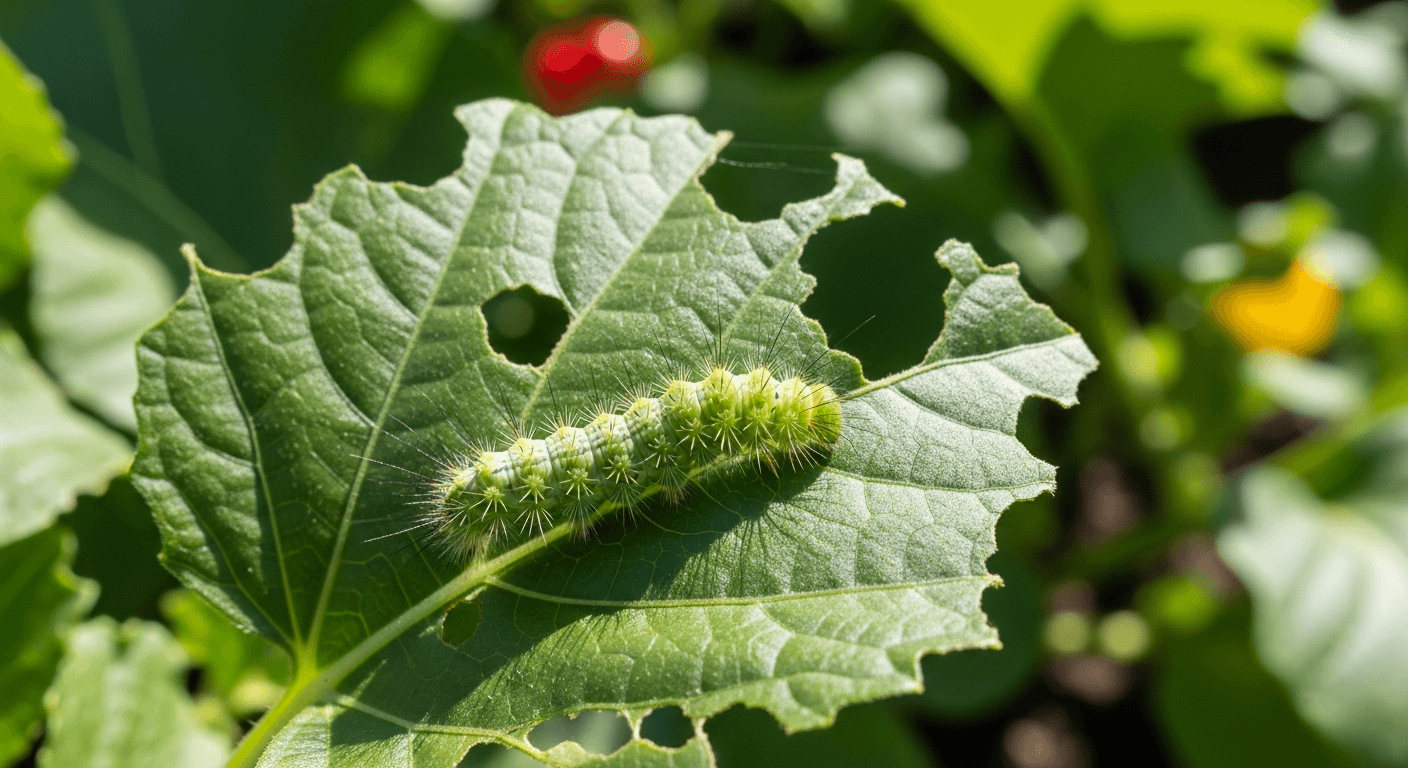
Caterpillars on Plants: How to Identify and Get Rid of Them
Caterpillars eating garden leaves: how to spot the holes and droppings, handpick them, and treat with Bacillus thuringiensis (Bt) without harsh chemicals.
6 min read
Yellow leaves, brown spots, fine webbing or bugs on the undersides: each symptom points to a different cause. Here you will find identification and treatment guides for the most common pests and diseases, with the remedies that actually work and realistic recovery timelines.
25 articles
Caterpillars eating garden leaves: how to spot the holes and droppings, handpick them, and treat with Bacillus thuringiensis (Bt) without harsh chemicals.
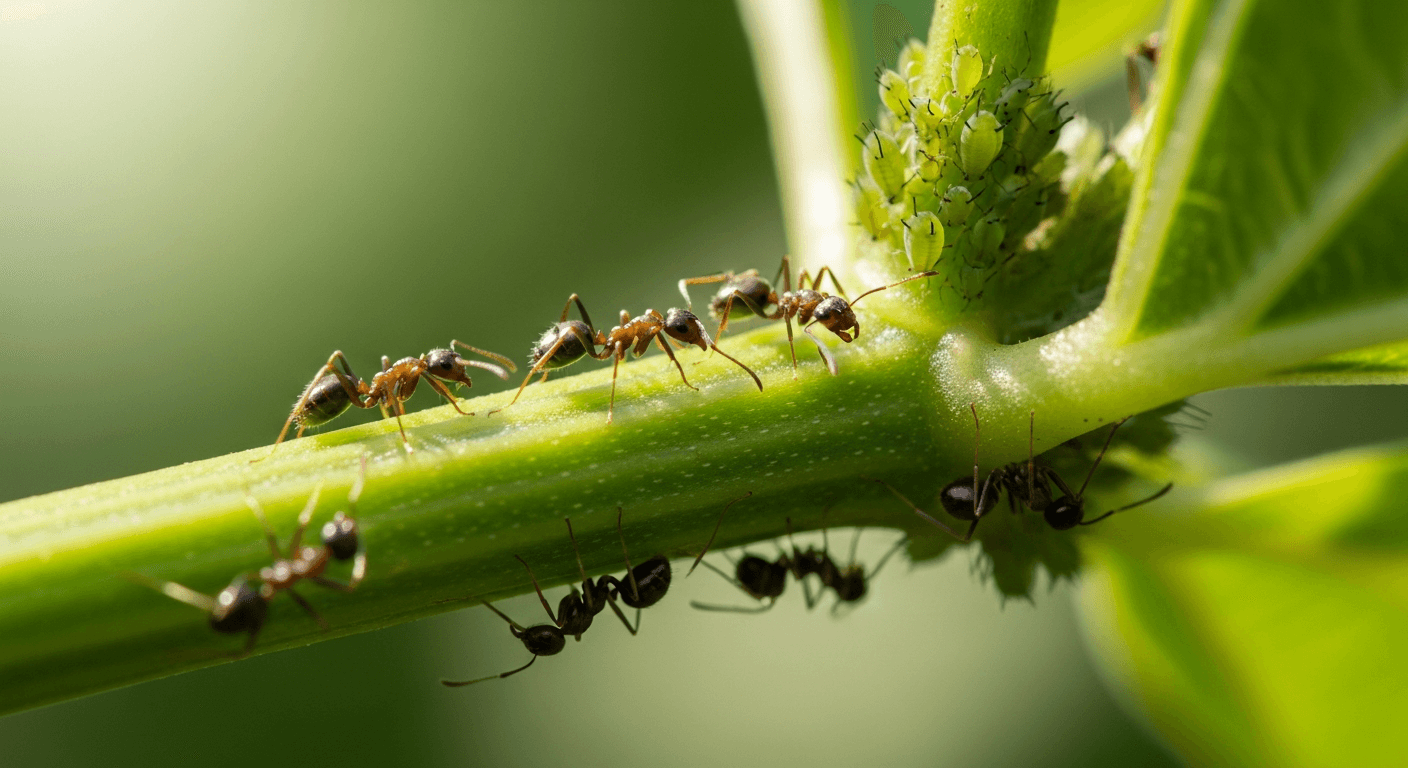
Ants on your plants are almost always farming aphids or scale for honeydew. Learn how to remove the ants and, above all, treat the real pest behind them.
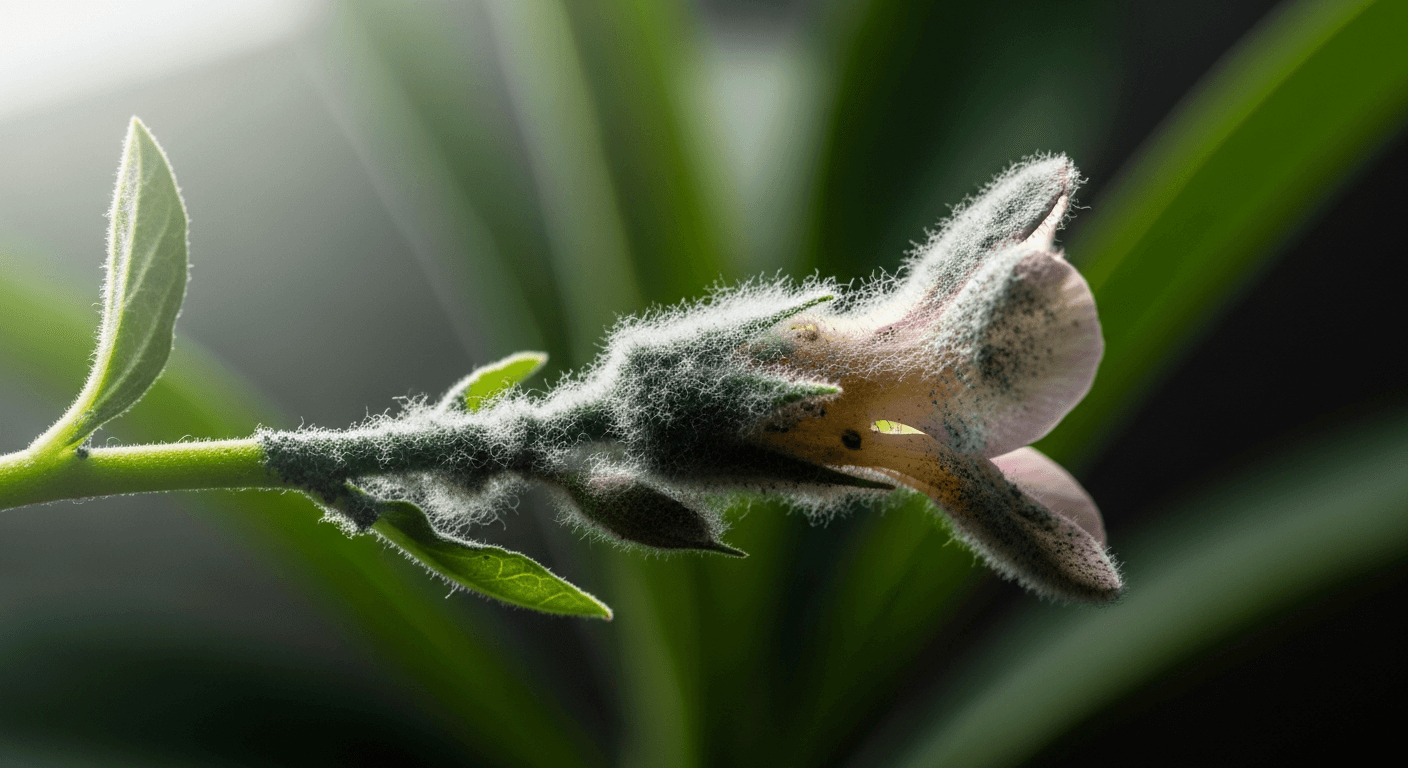
Gray mold or botrytis is a fuzzy fungus that rots leaves, flowers and stems. Learn to identify it, remove the affected parts, treat it and prevent it.
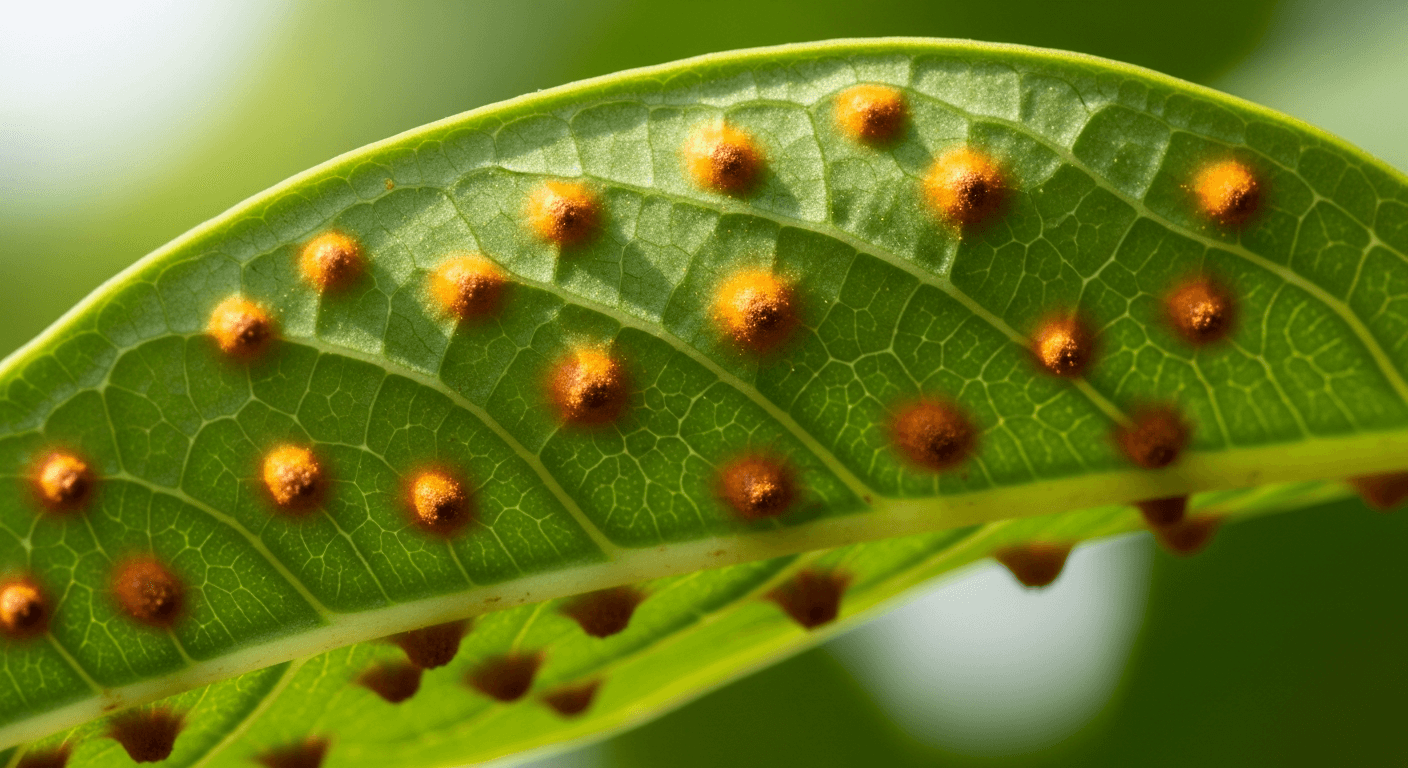
Rust is a fungus that forms orange or brown pustules on the undersides of leaves. Learn to identify it, remove affected parts, treat it and prevent it.
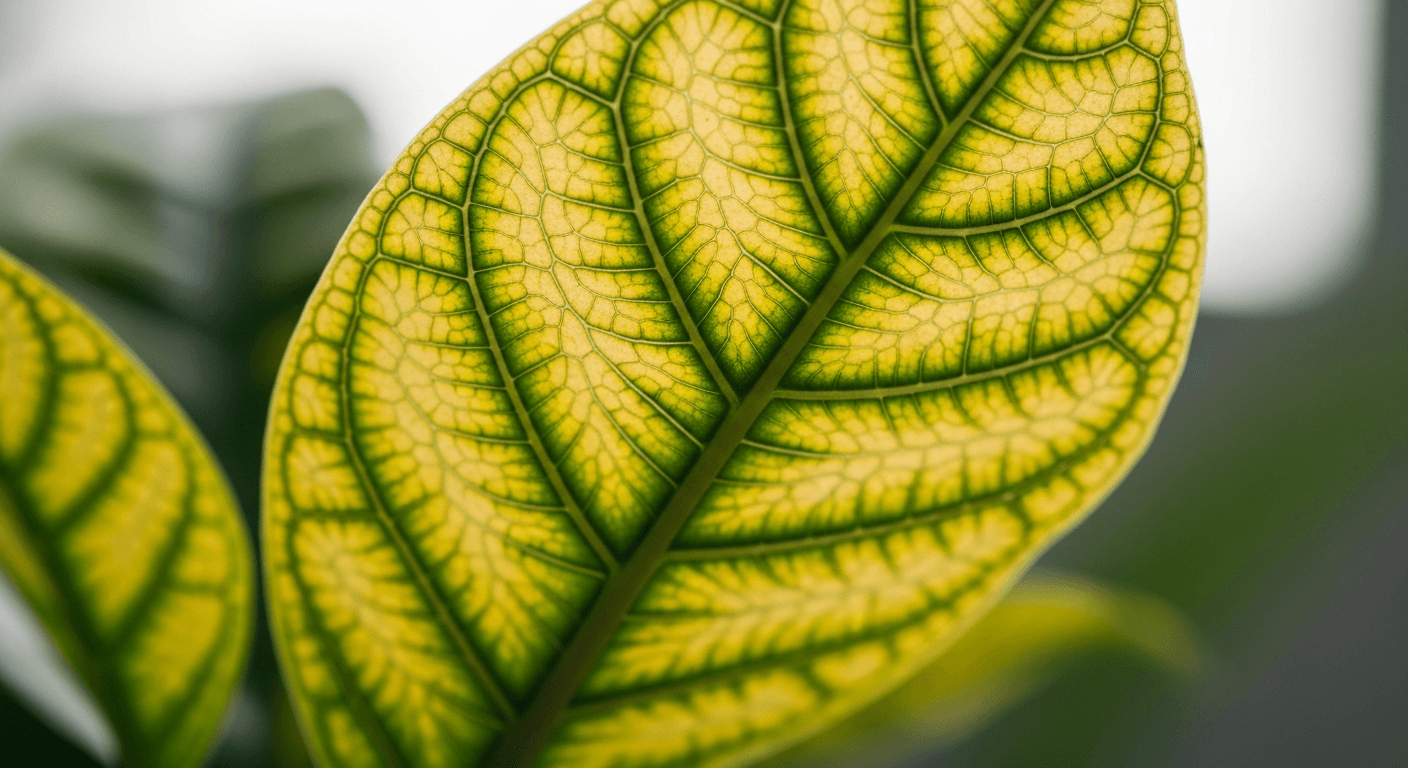
Iron chlorosis turns the leaf yellow while the veins stay green. Learn why it happens (iron, pH, watering), how to tell it apart, and how to fix it.
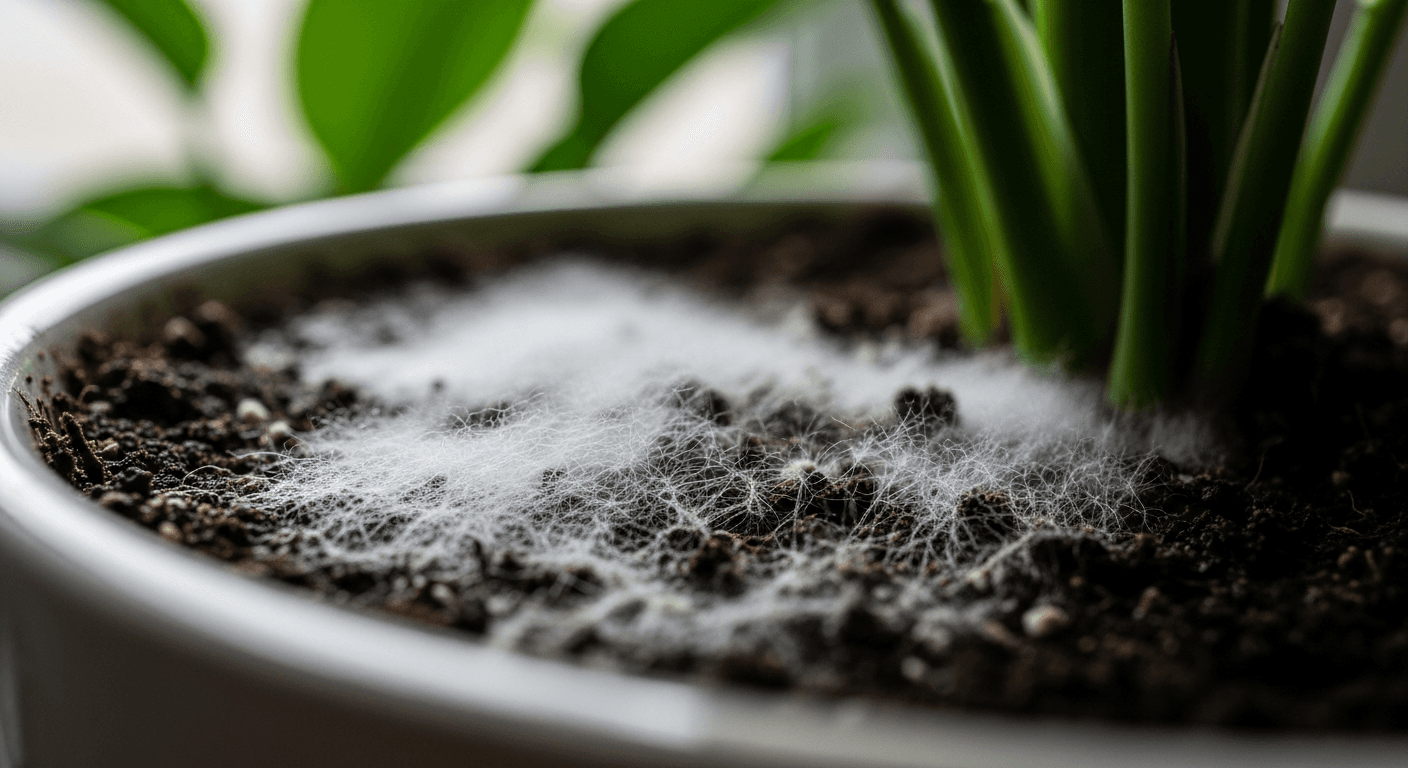
That white, fuzzy mold on potting soil is a harmless fungus caused by moisture. Learn why it appears, how to remove it, and how to prevent it coming back.
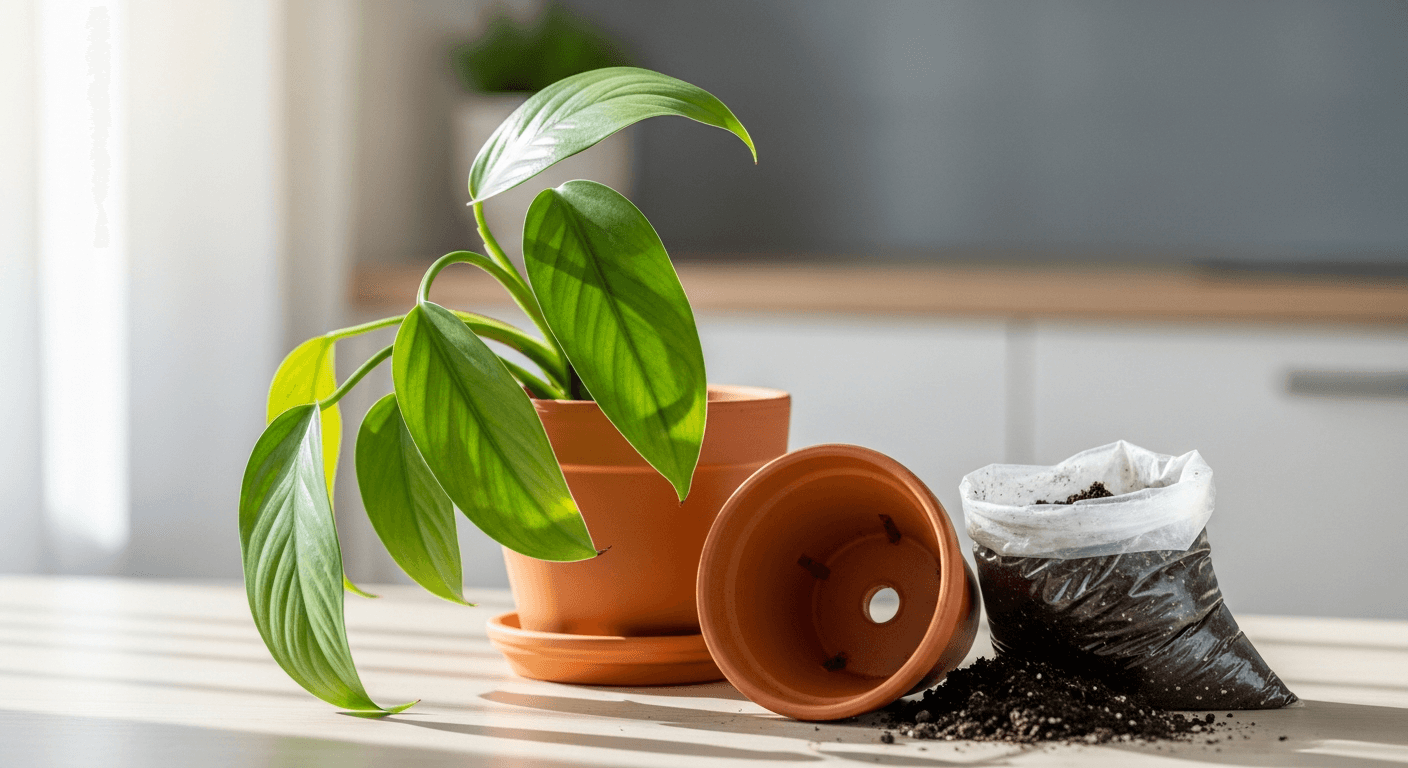
Your plant droops or drops leaves after repotting. Learn what transplant shock is, why it happens and how to help it recover with shade, water and patience.
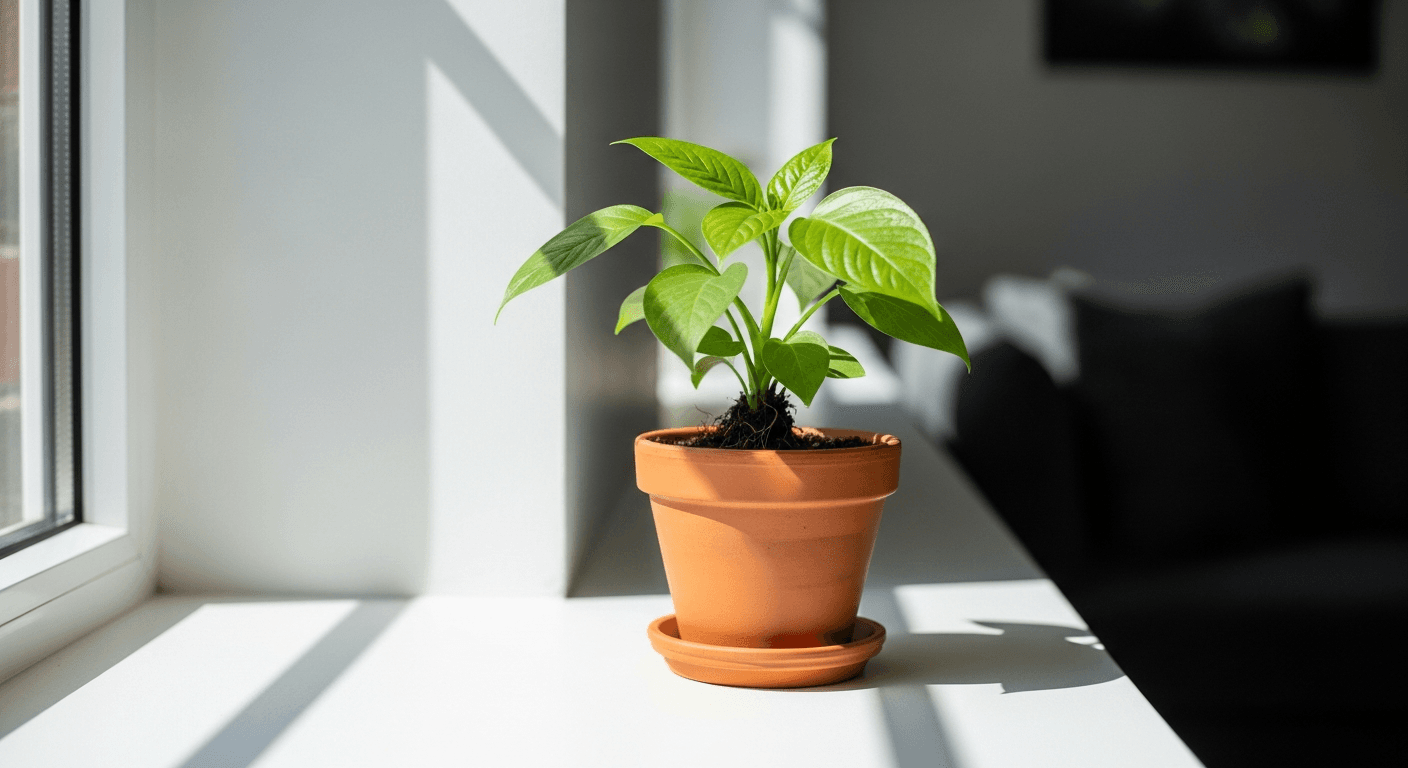
Has your plant stopped growing? Discover the 5 most common causes (not enough light, root-bound, winter dormancy, lack of nutrients) and how to diagnose each one.
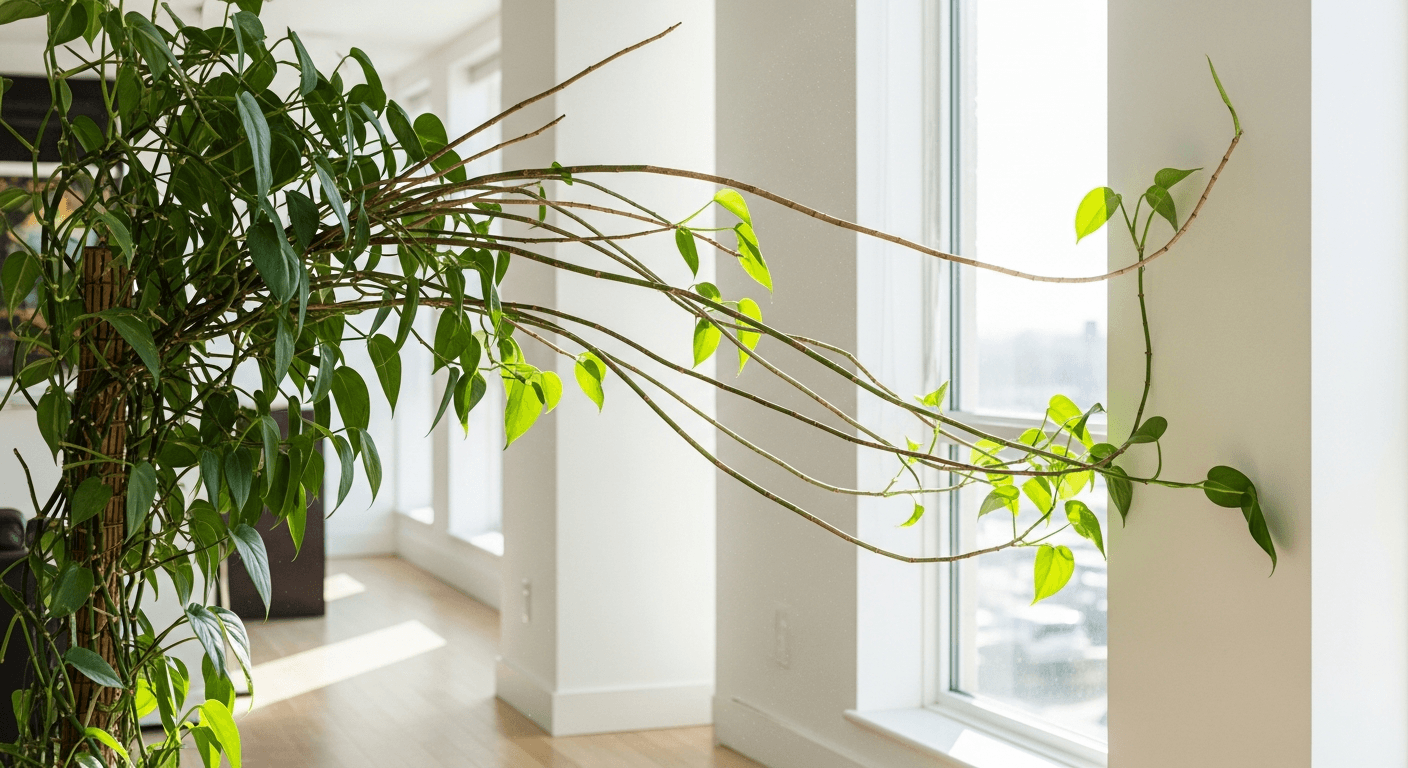
Is your plant growing long, thin stems with sparse leaves? That's etiolation from too little light. Why it happens and how to get bushy, compact growth back.
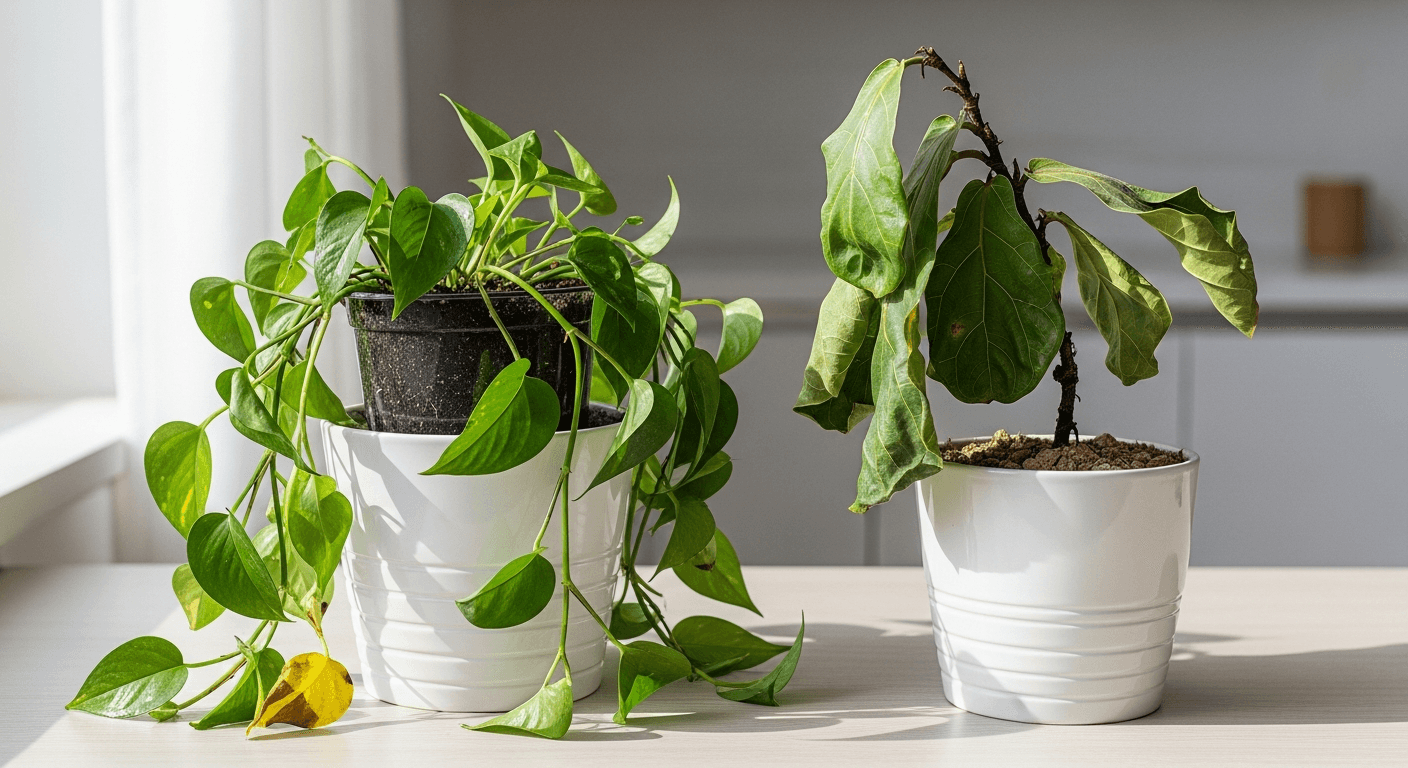
Droopy, yellowing leaves can mean too much OR too little water. Tell them apart by the soil, the roots and how the leaves feel, and learn how to fix each one.
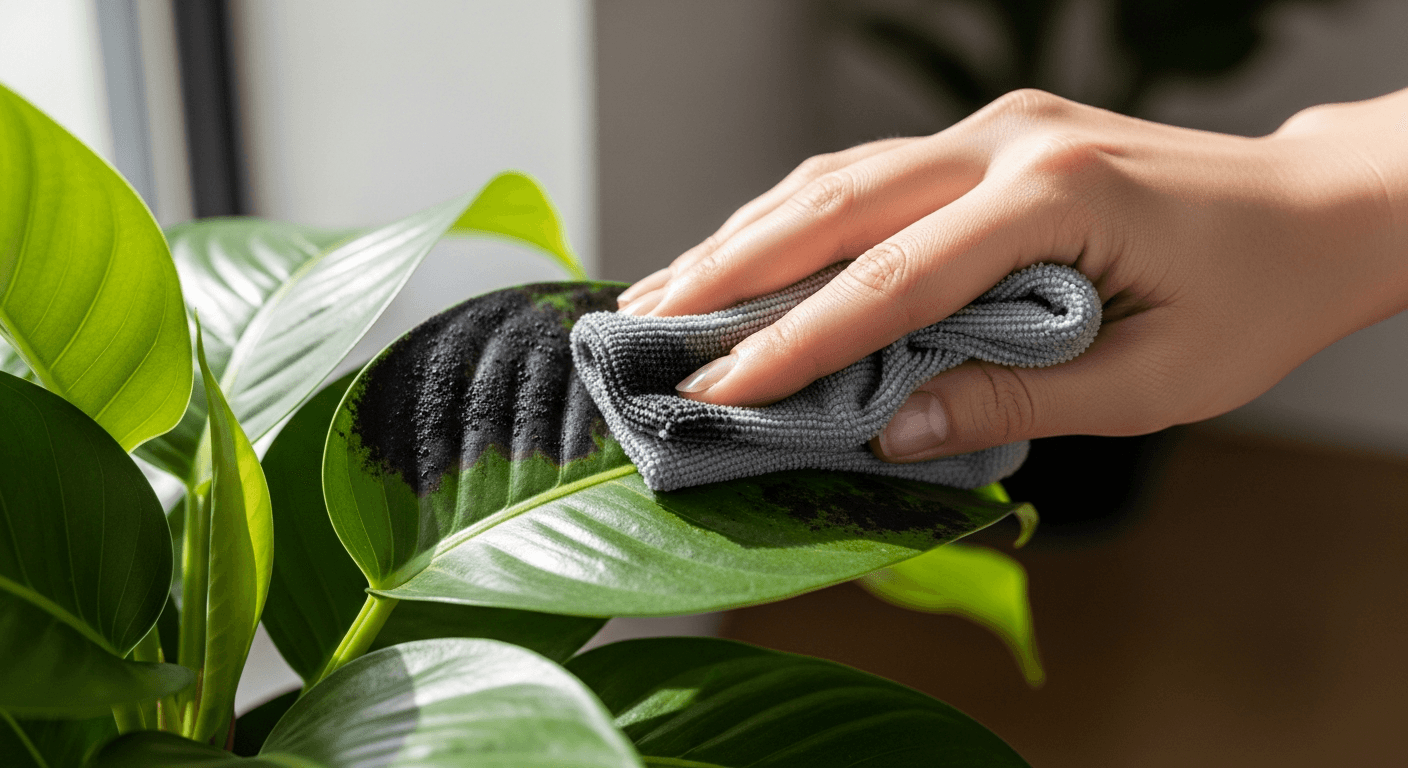
Sooty mold is that sticky black soot on leaves. It doesn't attack the plant directly: it grows on pest honeydew. Learn how to wipe it off and treat the real cause.
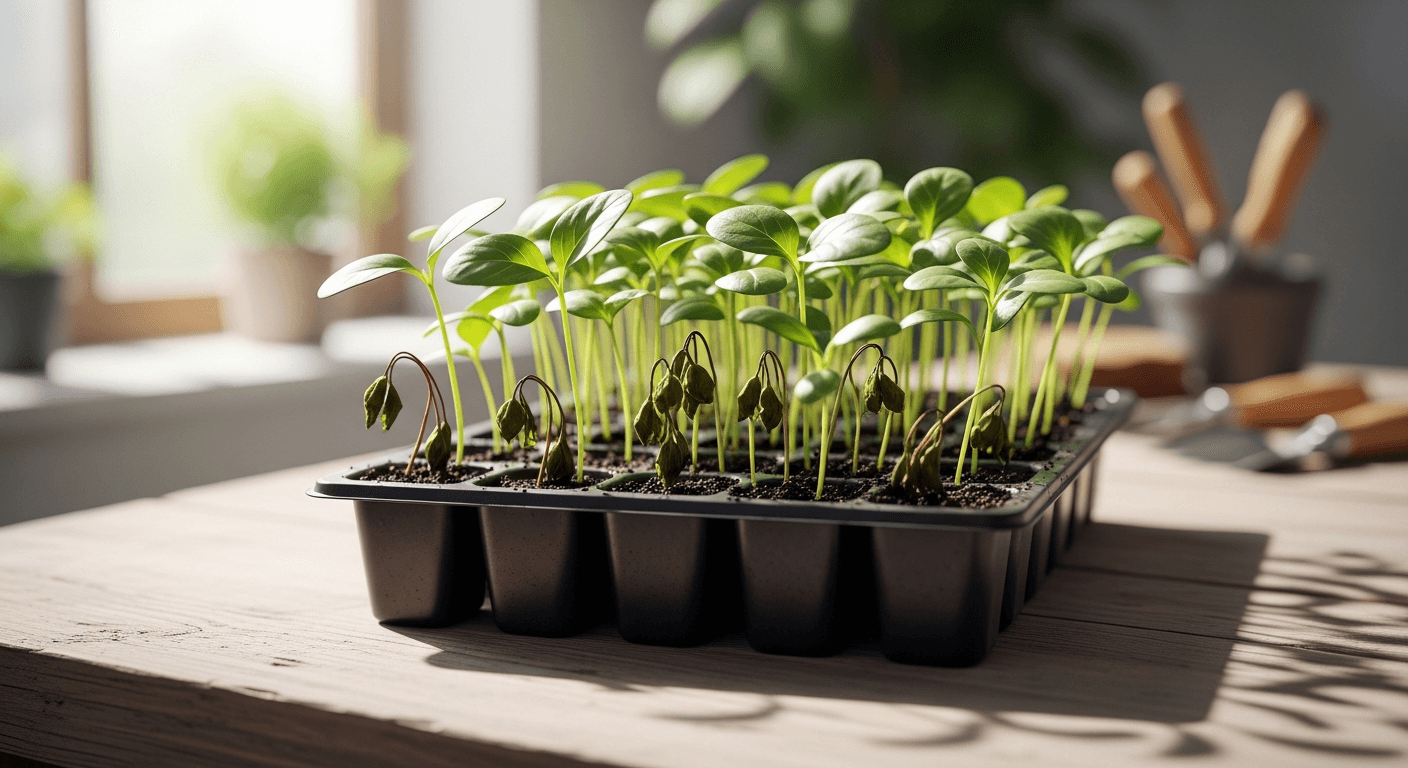
Your seedlings flop over at the base. Learn about damping off, the fungus behind it, and how to prevent it with clean soil, airflow and careful watering.
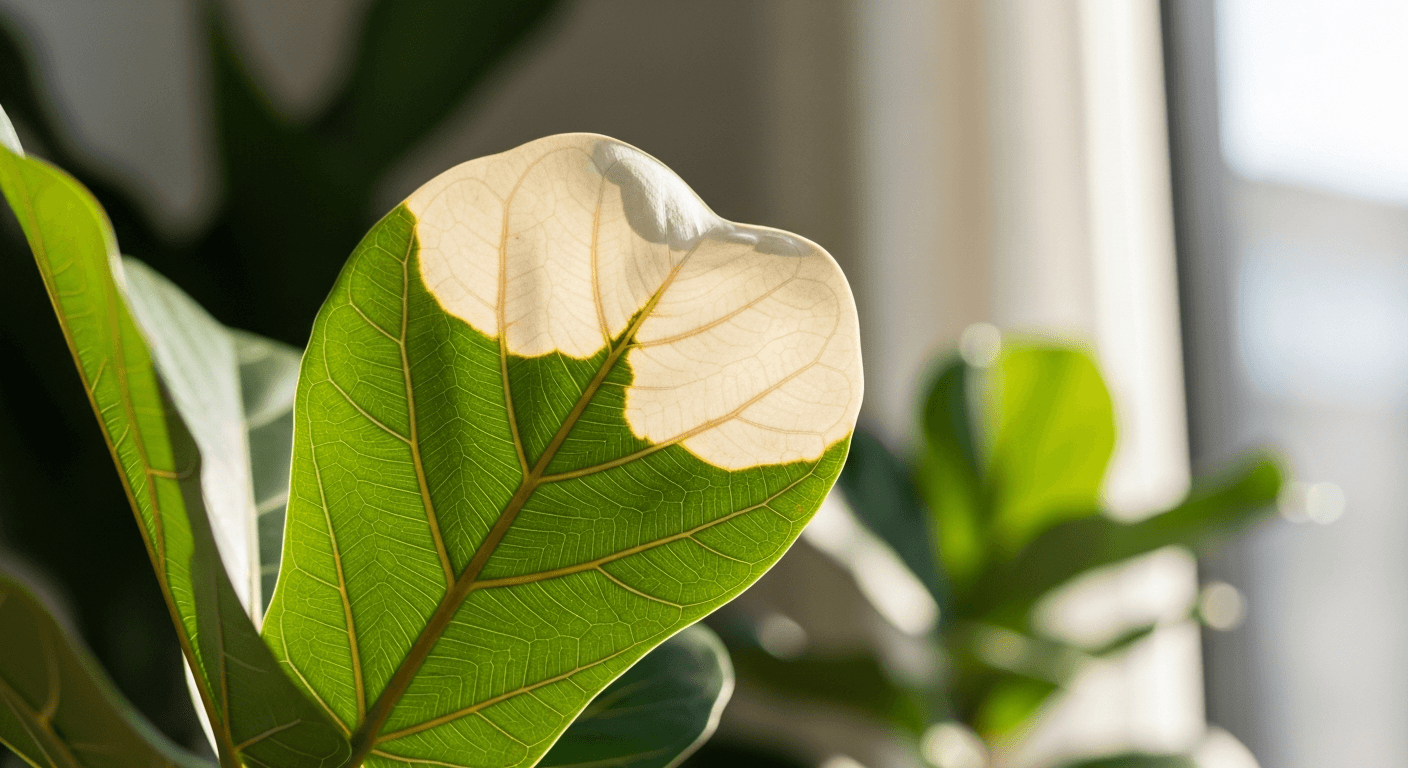
Pale, dry or brown patches from too much direct sun. Learn to recognize leaf sunburn, acclimate your plants gradually, and what to do with scorched leaves.
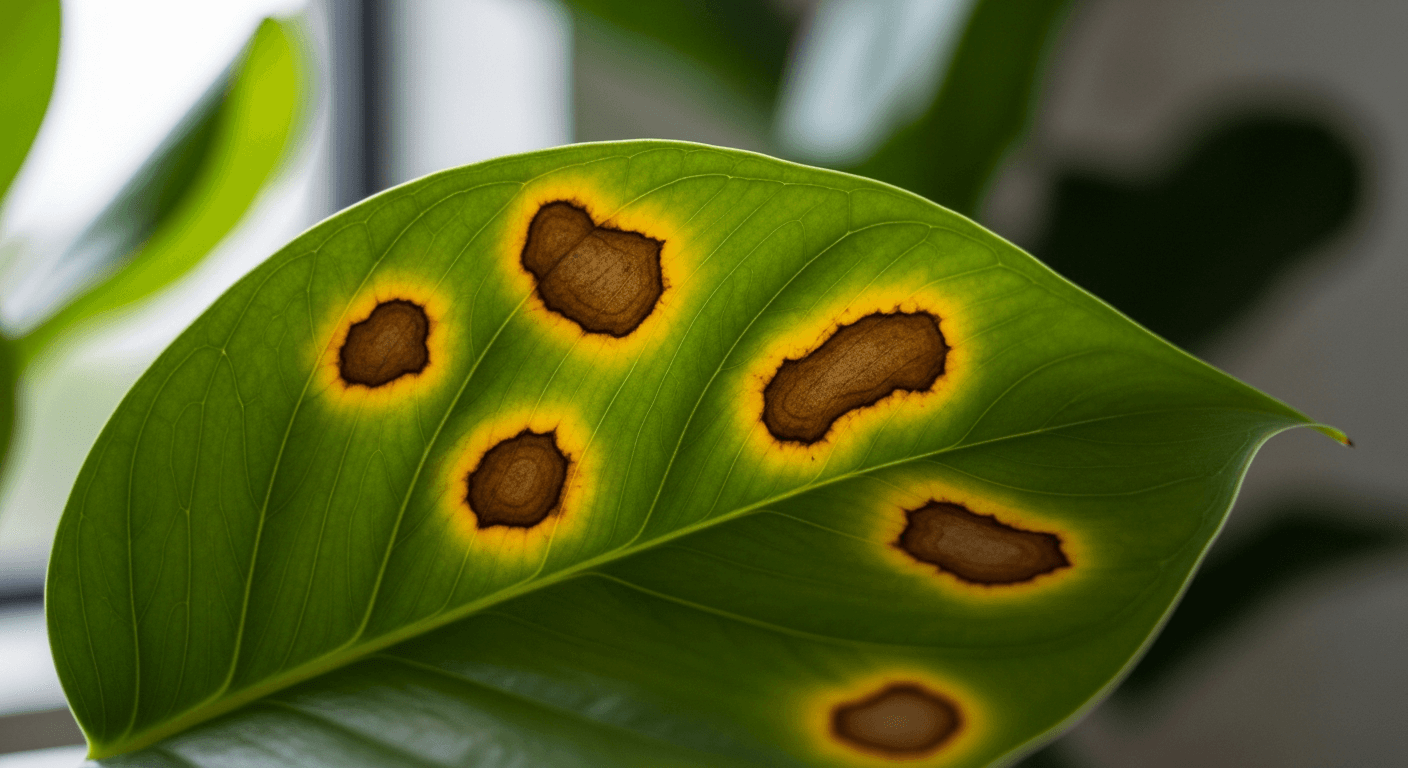
Brown spots on your plant's leaves? Learn to tell apart fungal, bacterial, overwatering, sunburn and hard-water causes, and how to treat and prevent each.
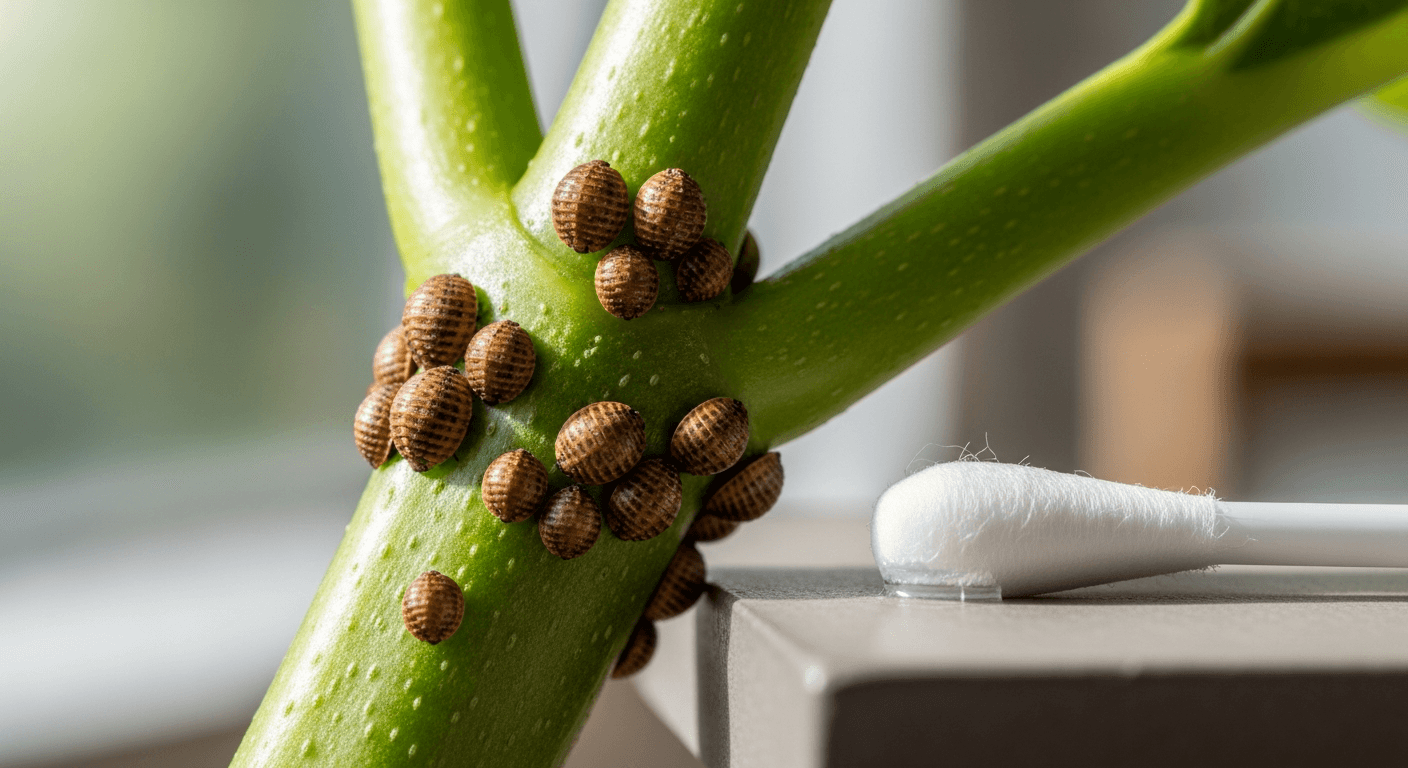
Those hard brown bumps stuck to stems and leaves are scale insects. Learn to identify them, remove them step by step and stop them coming back to your plant.
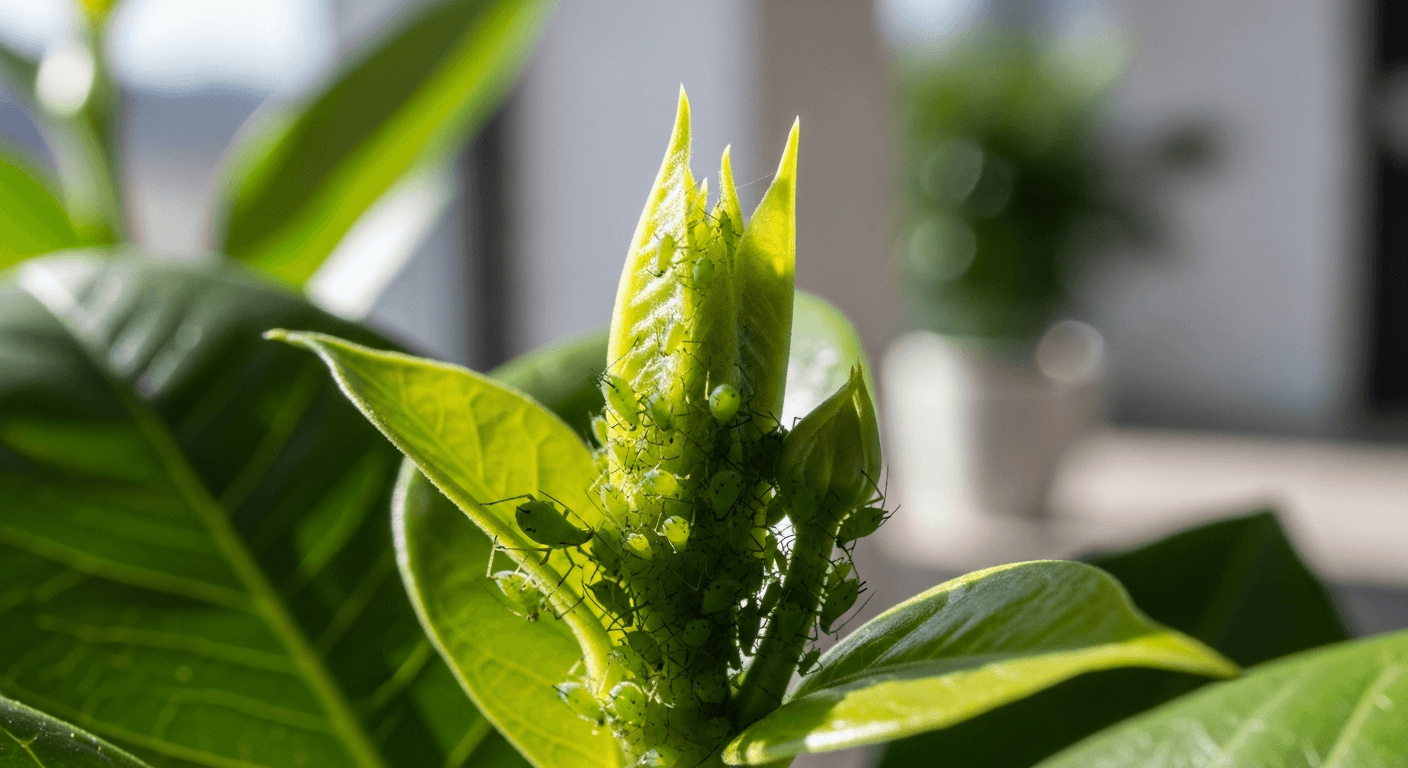
Aphids breed at lightning speed on new shoots and buds. Learn to identify them, clear them with water, soap and natural remedies, and prevent a comeback.
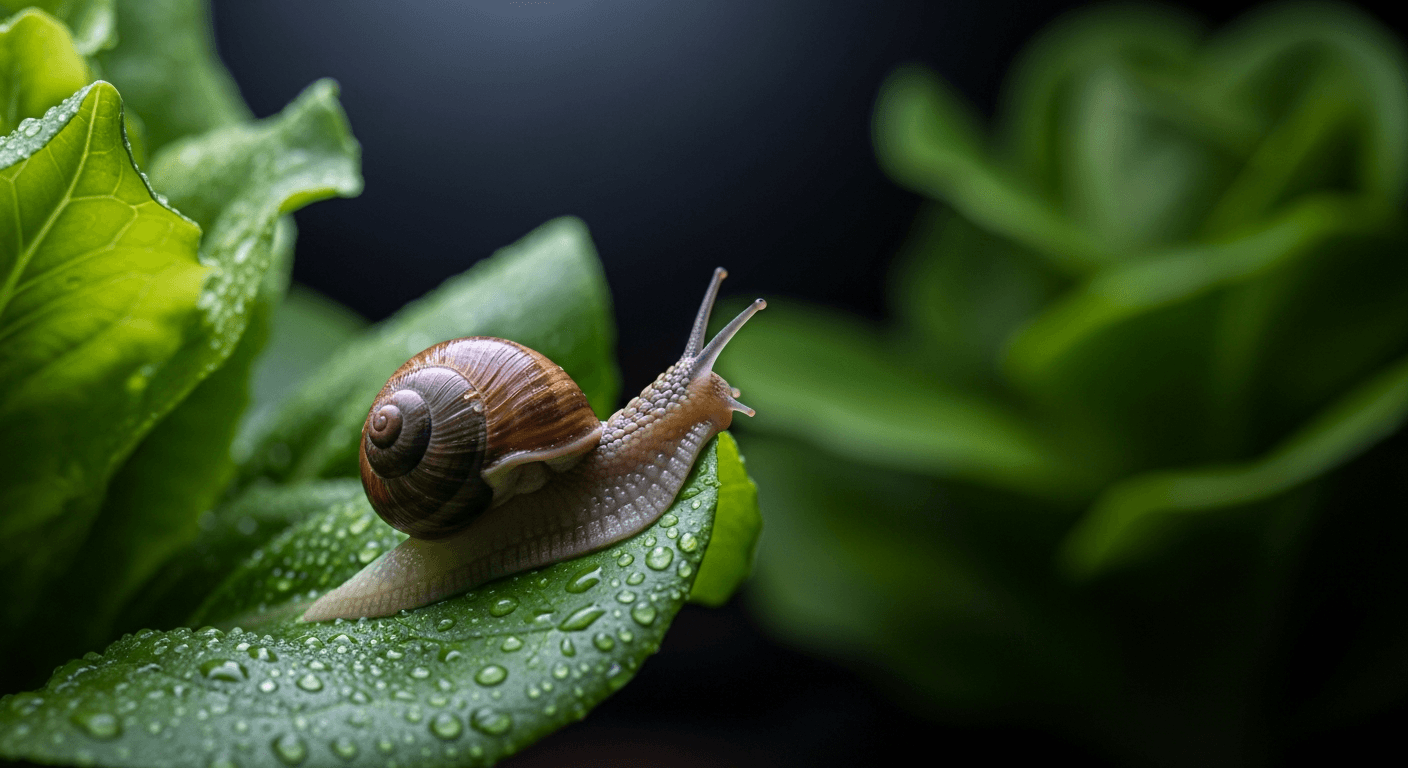
Slugs and snails devour seedlings and leaves at night. Learn to spot them by their trail and control them with barriers, beer traps and natural methods.
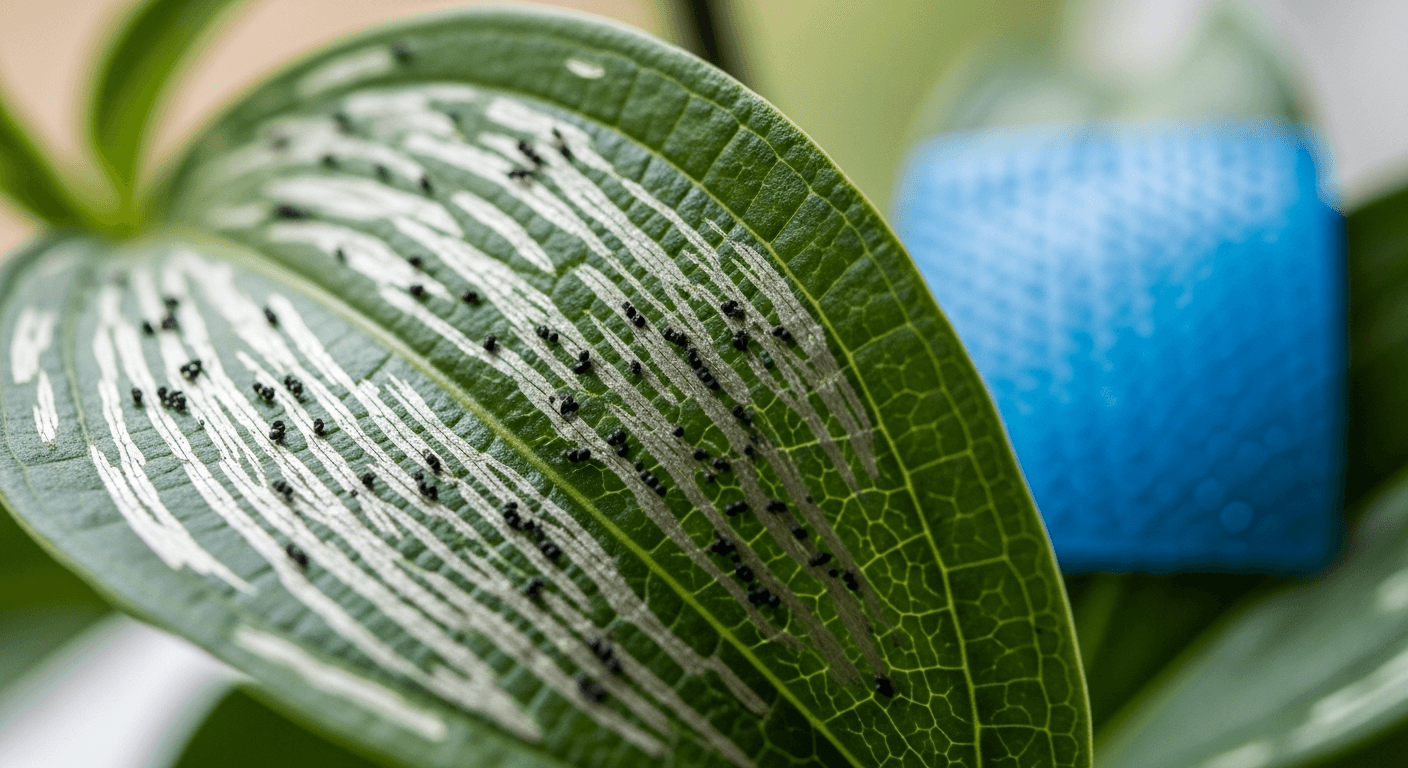
Thrips are nearly invisible but leave leaves silvery with tiny black dots. Learn to identify them, eliminate them with traps and soap, and prevent them.
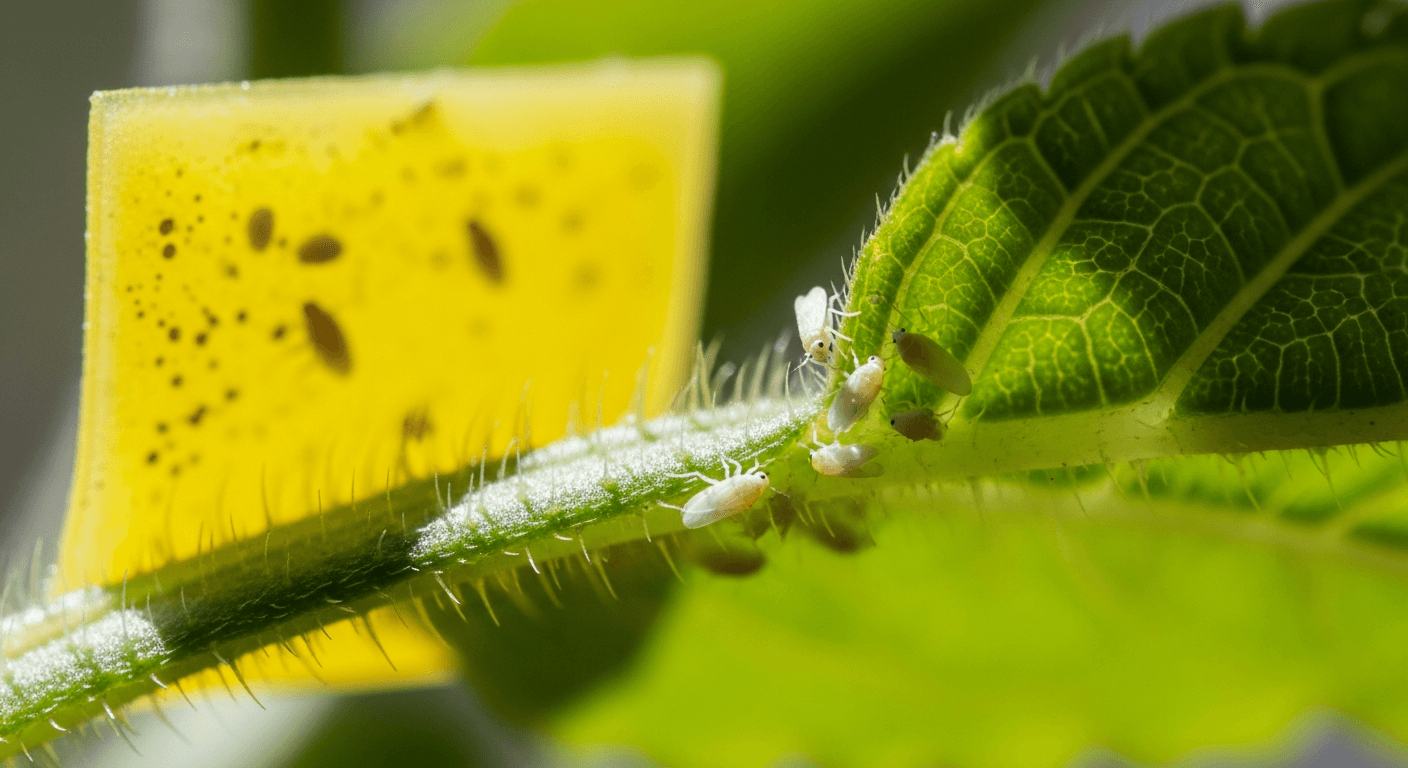
If tiny white flies take off when you move the plant, it's whitefly. Learn to identify and eliminate it with yellow traps, soap and persistence.
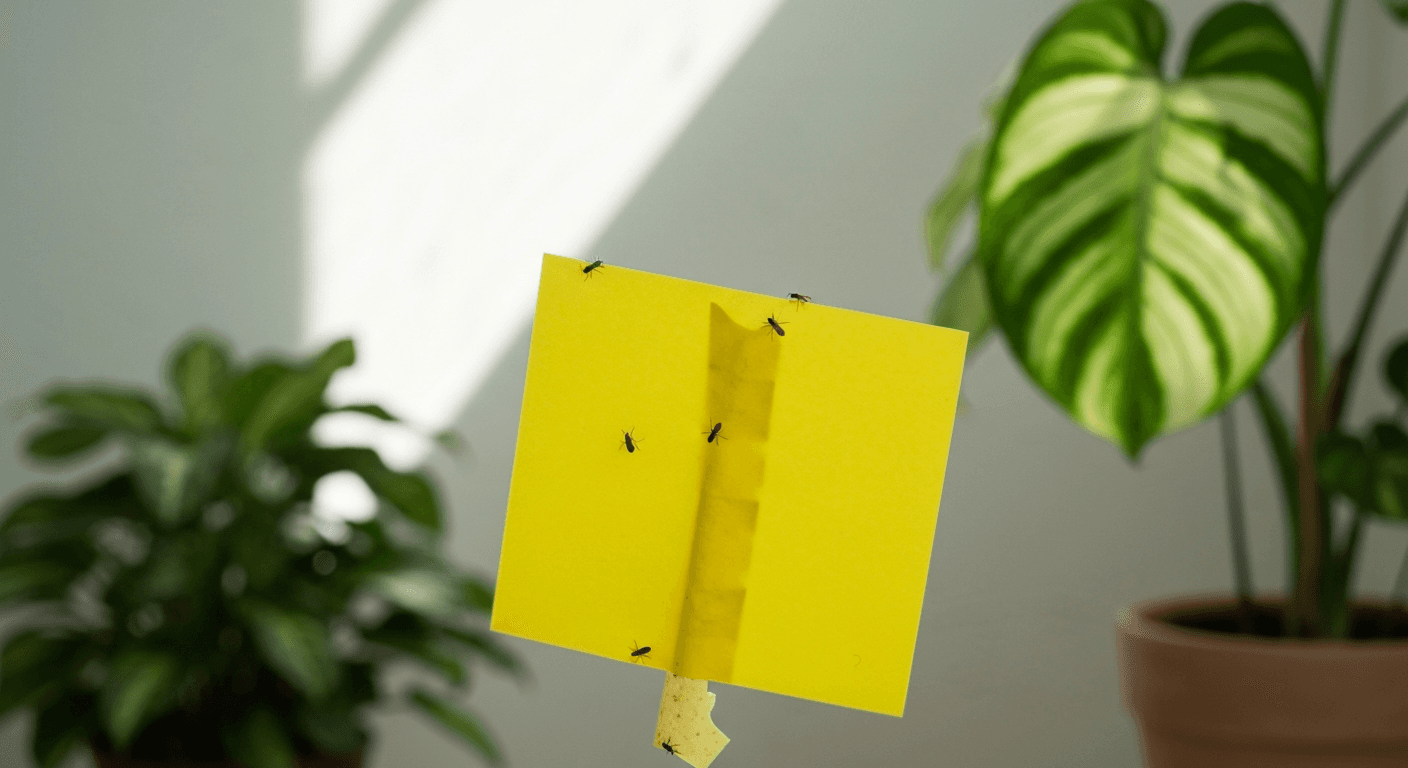
Tiny black flies around your plants? They're fungus gnats. Learn why they appear and how to eliminate them with traps, letting the soil dry and other proven tricks.
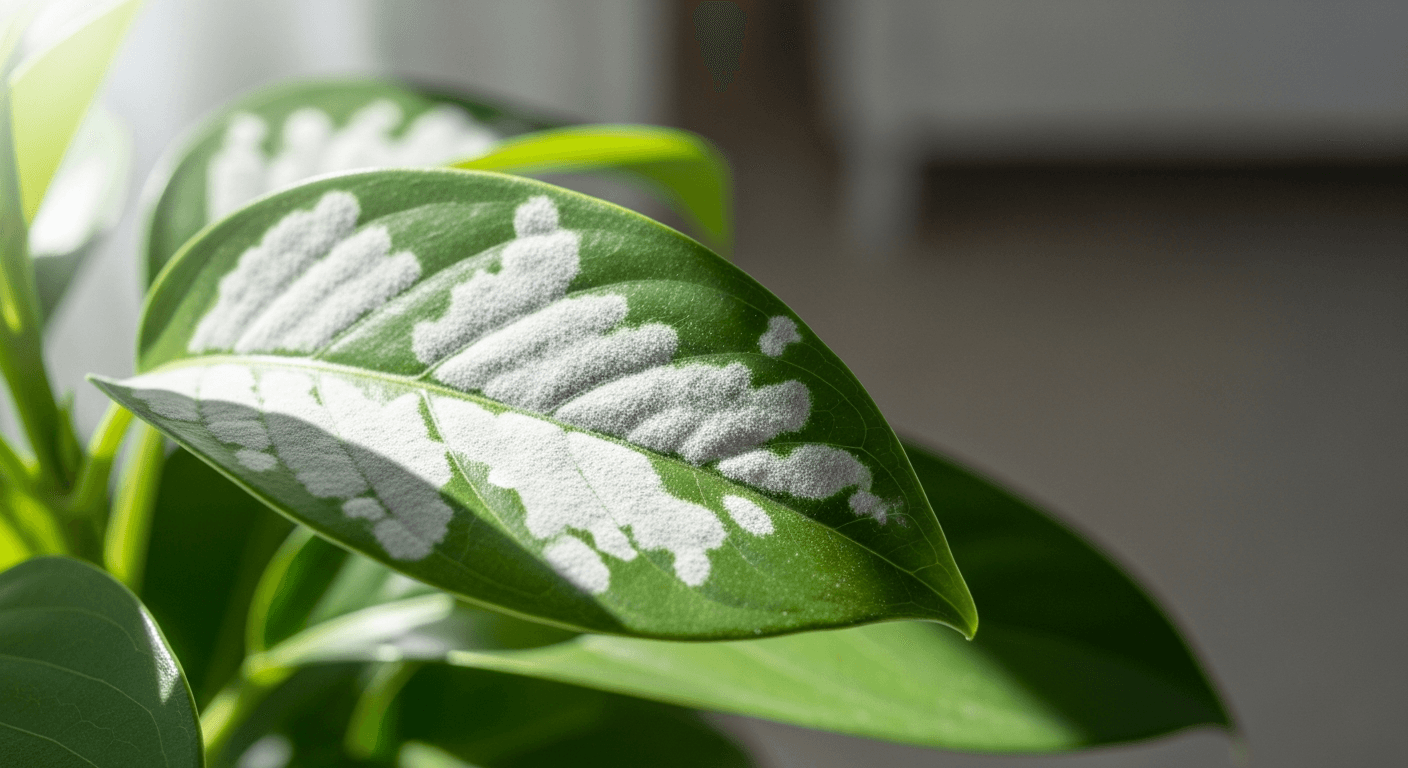
Powdery mildew is that flour-like white dust on leaves. Learn to identify it, treat it with home and garden remedies, and prevent it with good airflow.
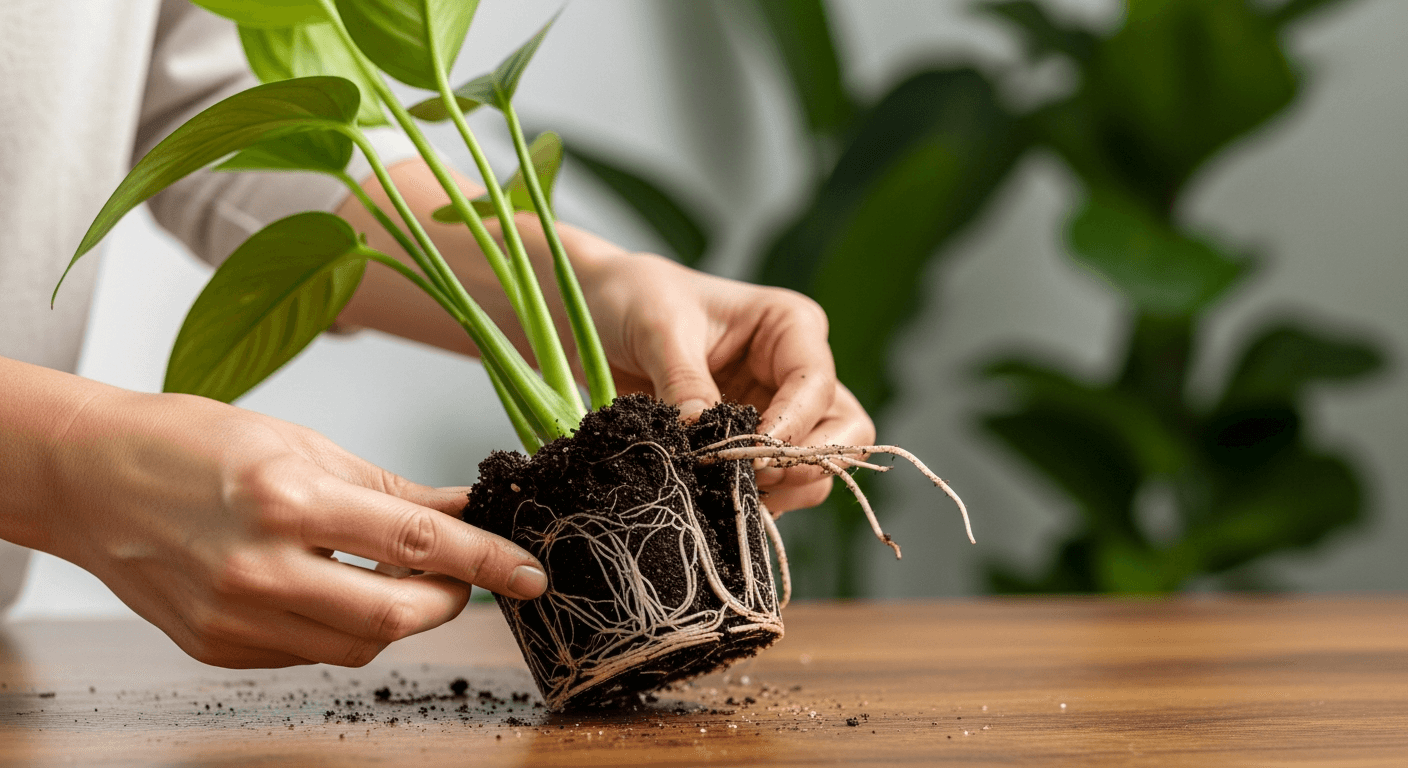
Root rot is the #1 cause of dead houseplants. Learn to spot it in time, save the plant step by step, and prevent it from happening again.
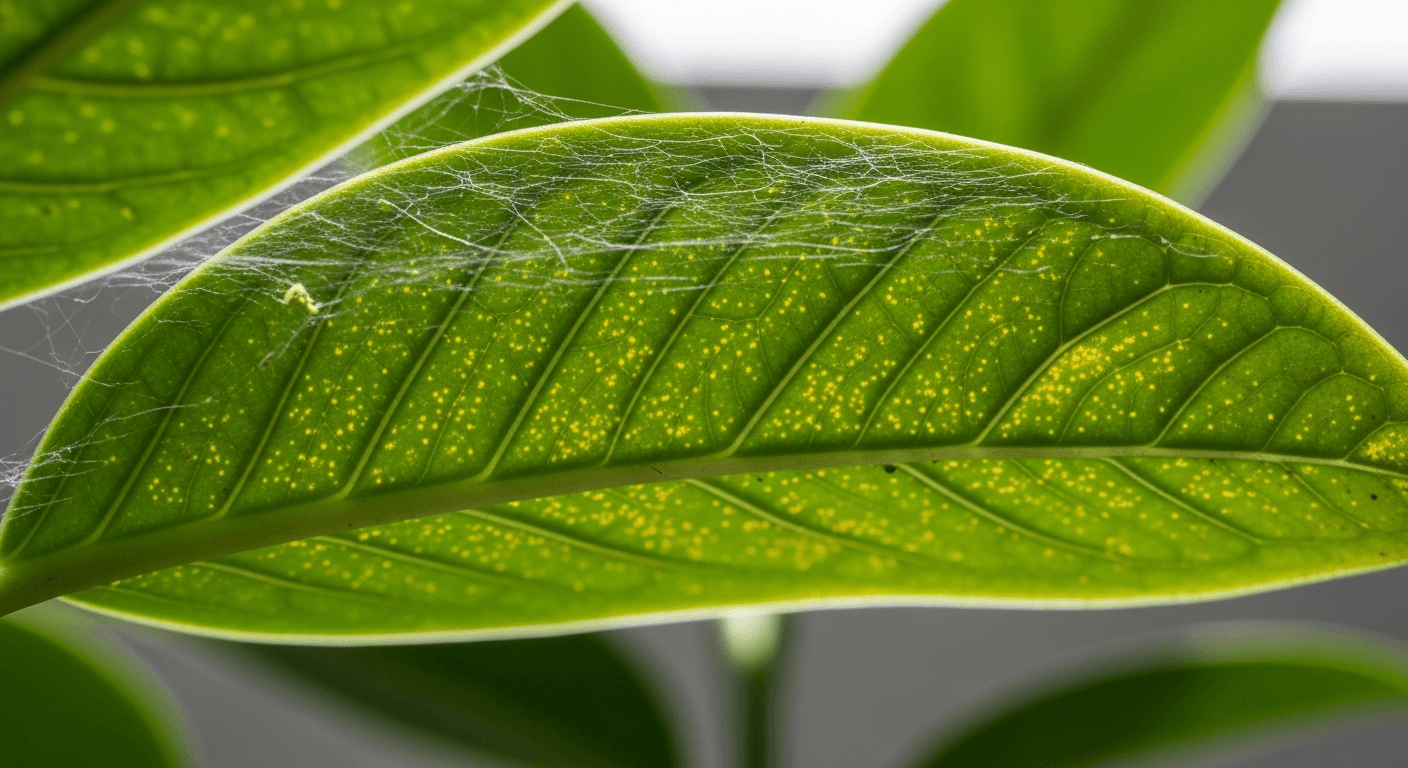
Identify and eliminate spider mites: fine webbing, yellow stippling and drying leaves. Step-by-step treatment with water, soap and humidity, and prevention.
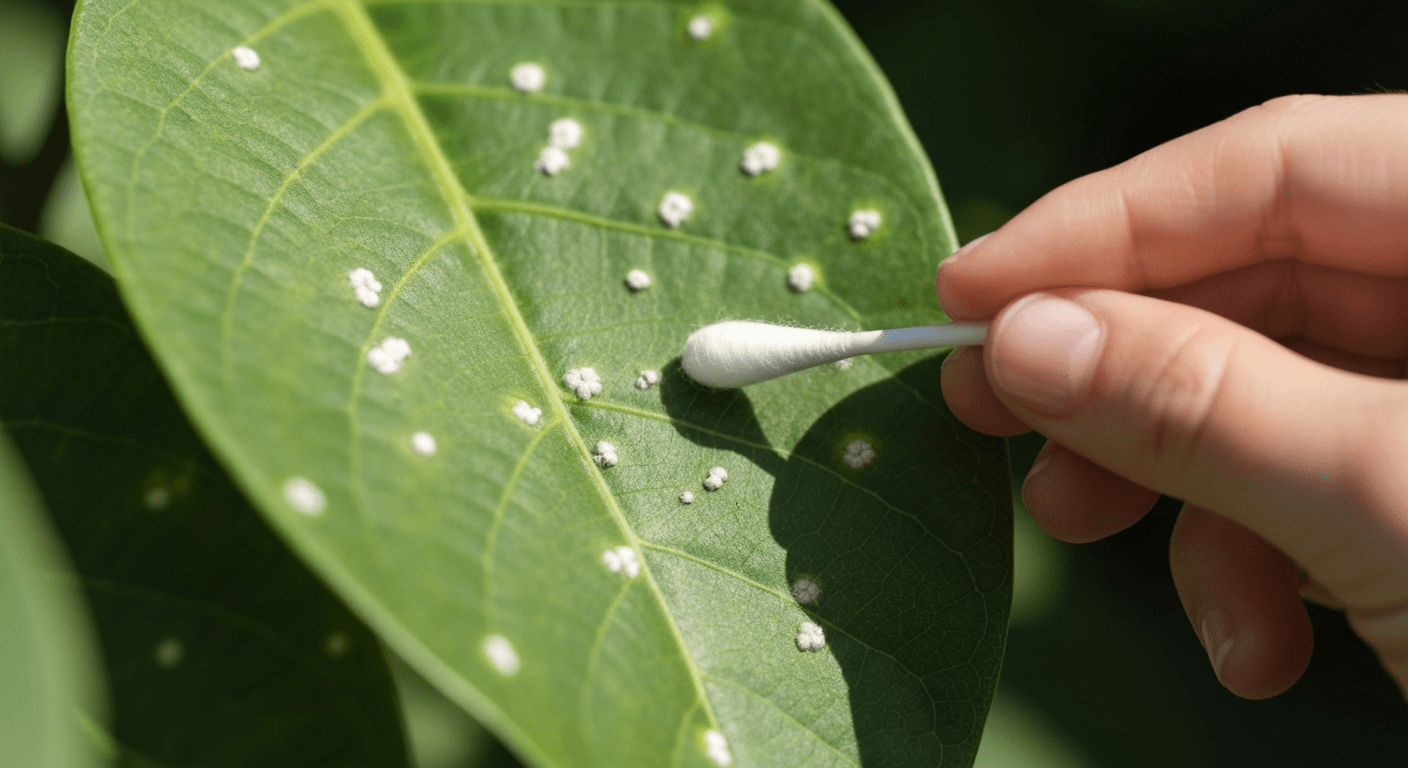
Those white cottony specks on your plants are mealybugs. Here's how to identify them, remove them step by step and prevent them from coming back.
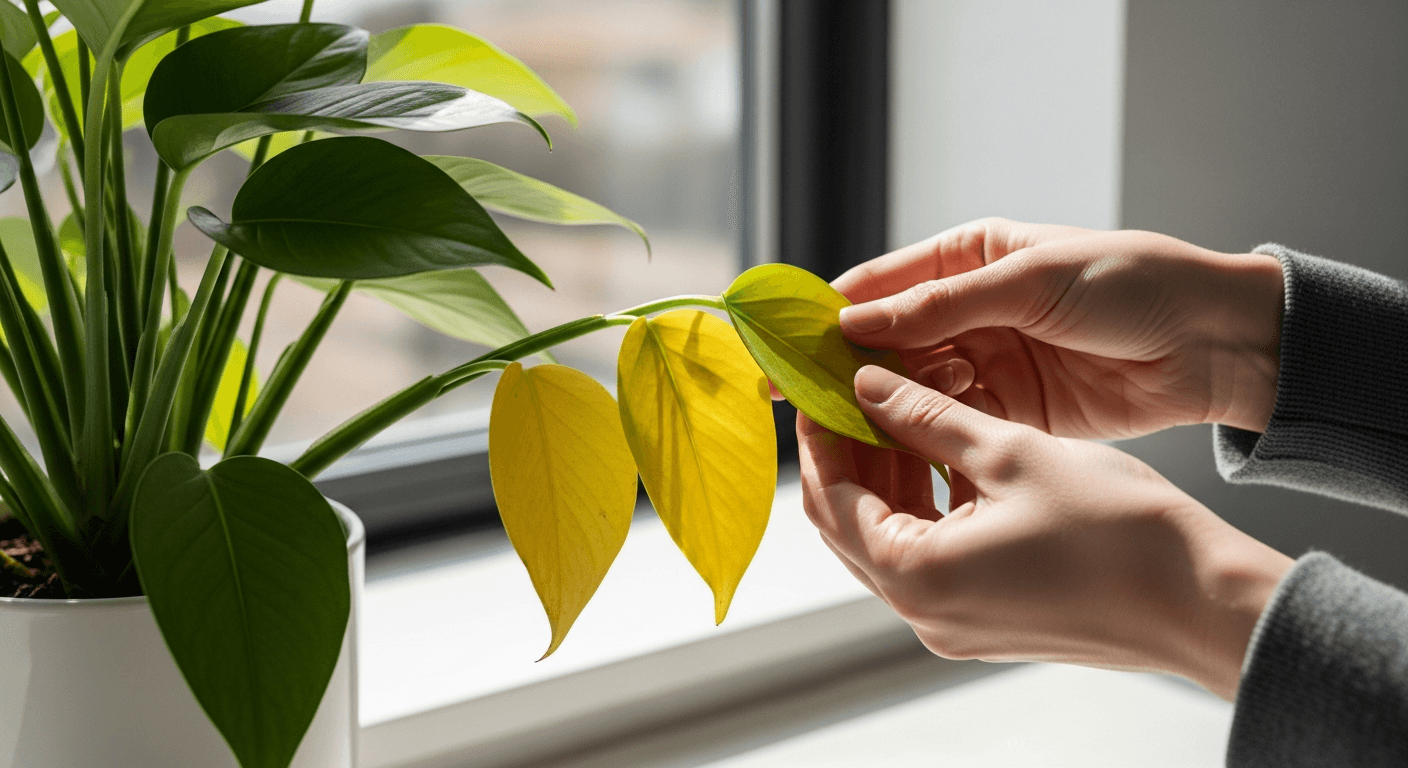
Yellow leaves are the most common houseplant symptom. Learn to diagnose the exact cause —watering, light, nutrients or pests— and fix it step by step.