What to Do When Gray Fuzz Appears on Leaves and Flowers
Gray mold or botrytis is a fuzzy fungus that rots leaves, flowers and stems. Learn to identify it, remove the affected parts, treat it and prevent it.
In this article
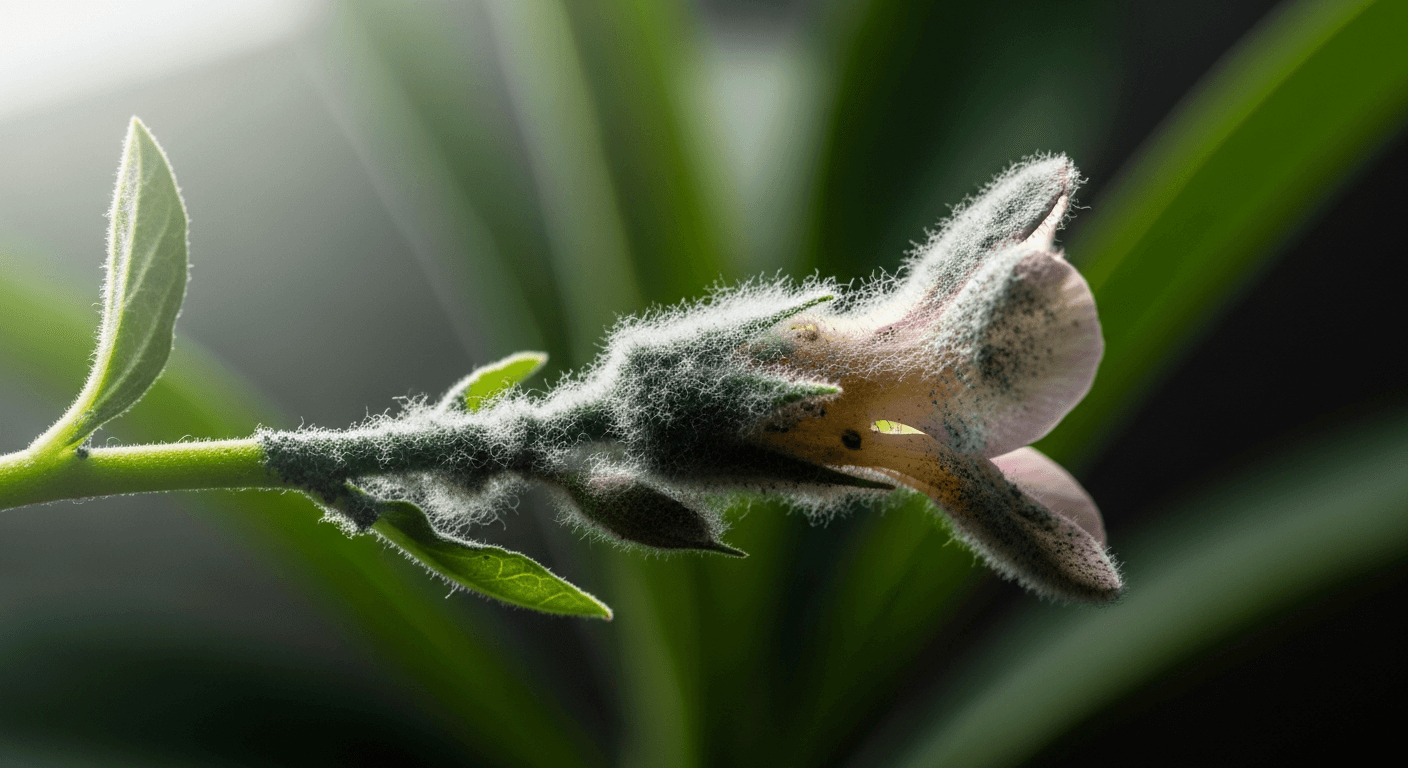
That ash-gray fluff on a fading flower or a soft stem is gray mold, caused by the fungus Botrytis cinerea, and you clear it by cutting away every affected part with clean scissors, binning it, and dropping the humidity with more airflow and less water. You can tell it apart because it puffs out a cloud of spores when you brush it, and the tissue underneath is brown, soft and watery. It's one of the most opportunistic fungi around: it almost never attacks a healthy plant, it waits for something to wilt, tear or stay wet. Which is why, with botrytis, tidying up beats spraying every time.
How to identify it
The three giveaway signs
- A fuzzy grayish-brown mold, almost powdery to the touch, that releases a cloud of spores if you brush against it.
- It appears on fading flowers, soft fruit, old leaves or pruning wounds — in other words, tissue that was already weak.
- Underneath the mold, the area turns brown, soft and watery (rot).
How to tell it apart from other fungi
It's sometimes confused with powdery mildew, but mildew is a dry white powder on healthy leaves, while botrytis is gray, fuzzy and always on decaying tissue. It's also not the same as the white mold that shows up on the soil, a harmless saprophytic fungus that feeds on organic matter in the potting mix and never touches the plant itself.
Is your plant looking off and you are not sure why?
Free AI diagnosisWhy it appears
Botrytis needs three things to take off:
- High humidity and water on the tissue (wet leaves, stuffy air).
- Stagnant air, crowded plants and poor circulation.
- Vulnerable tissue: spent flowers left in place, pruning debris, damaged leaves or bruised fruit.
It's typical in greenhouses, closed terrariums and cold, damp indoor spots in fall and winter — exactly when we ventilate the least.
Step-by-step treatment
- Isolate the plant from the others to slow spore spread.
- Carefully remove every affected part (flowers, leaves and soft stems) with clean scissors. Work slowly so you don't kick up a cloud of spores; it helps if the area is slightly damp.
- Bin it — never the compost or the soil of other pots.
- Improve airflow right away: space the plants out and open a window for a while each day.
- Cut back on watering and let the soil surface dry out.
- If it persists, apply a copper-based fungicide or a specific anti-botrytis product, following the label rates.
Rule of thumb: with botrytis, prevention and hygiene matter more than any fungicide. Remove dead tissue before the fungus finds it.
How to prevent it
Air and water: take the damp away
- Ventilate daily; moving air is your best fungicide.
- Don't wet the flowers or leaves when watering; always water the base.
- Don't crowd plants — leave room for air to move between them.
If your home runs damp anyway, rethink how you handle humidity for indoor plants: raising it suits tropicals, but high humidity with no air movement is precisely the setup botrytis is waiting for.
Hygiene: clear dead tissue before the fungus finds it
- Remove spent flowers and dead leaves as soon as they appear — they're the fungus's way in.
- Disinfect your scissors between cuts so you don't ferry spores from one plant to the next.
- Avoid excess nitrogen, which produces soft, vulnerable new growth.
- In closed terrariums, open the lid for a few minutes if you see constant condensation; when you build a terrarium leave gaps between plants for exactly this reason.
In the garden
Botrytis also attacks strawberries, tomatoes, lettuce and grapevines, where it's known as gray rot and ruins the fruit. The keys are the same: generous spacing, watering at the base, removing damaged fruit and harvesting on time. With small fruit like strawberries, a single rainy day with ripe fruit left unpicked is enough for botrytis to move in.
The fungus's life cycle: why it keeps coming back
Understanding how it spreads helps you cut it off at the root. Botrytis cinerea survives as sclerotia (small, hard, black masses) on plant debris and in the soil. When moisture arrives, those sclerotia produce spores that the air carries to the first weak tissue they find. That's why, if you only remove the visible fluff but leave dead leaves in the pot or fail to improve airflow, the fungus erupts again within days. The winning strategy is twofold: eliminate the spore source (debris and diseased tissue) and change the conditions (less humidity, more air) so any remaining spores have nowhere to germinate.
When to worry
Gray mold rarely kills a healthy plant outright, but it preys on stressed or already-sick plants and can rot cuttings and whole seedlings in a matter of days. If you see it on a cutting or in a seed tray, act the same day: remove the affected parts, lower the humidity and boost airflow.
Not sure whether that fluff is botrytis, mildew or something else? Upload a photo to the AI diagnosis and find out before you treat it.
Related articles
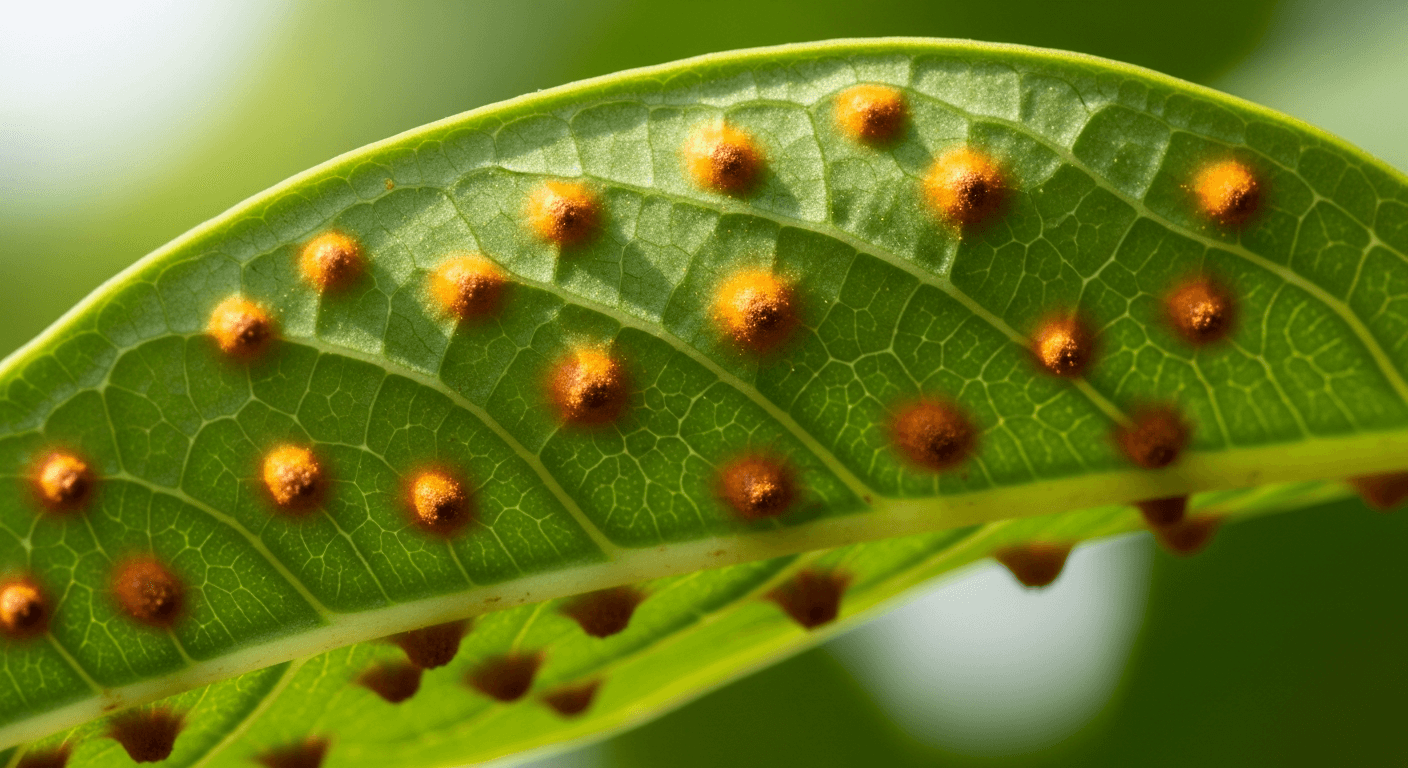
Rust Disease: The Orange Pustules on Leaves and How to Treat It
Rust is a fungus that forms orange or brown pustules on the undersides of leaves. Learn to identify it, remove affected parts, treat it and prevent it.
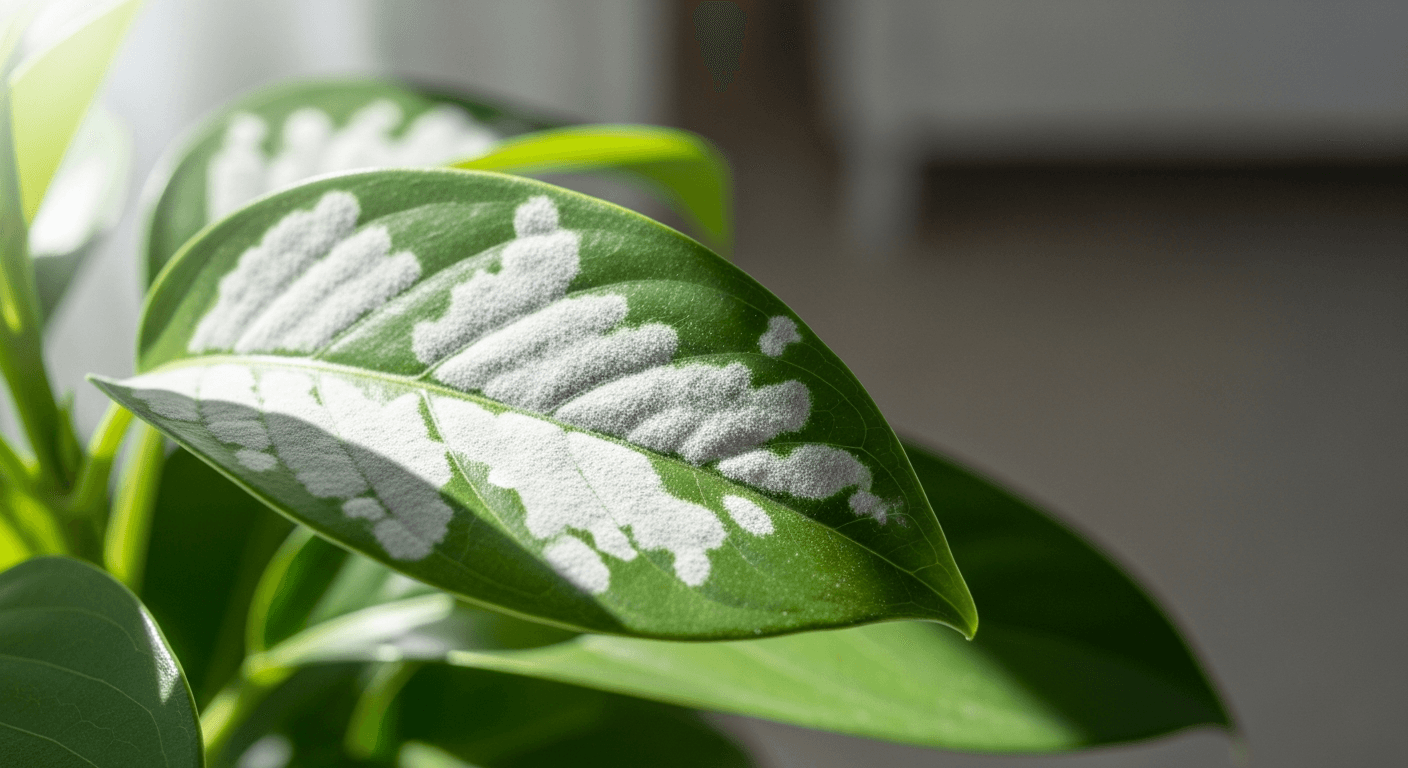
Powdery Mildew: The White Dust on Leaves and How to Remove It
Powdery mildew is that flour-like white dust on leaves. Learn to identify it, treat it with home and garden remedies, and prevent it with good airflow.
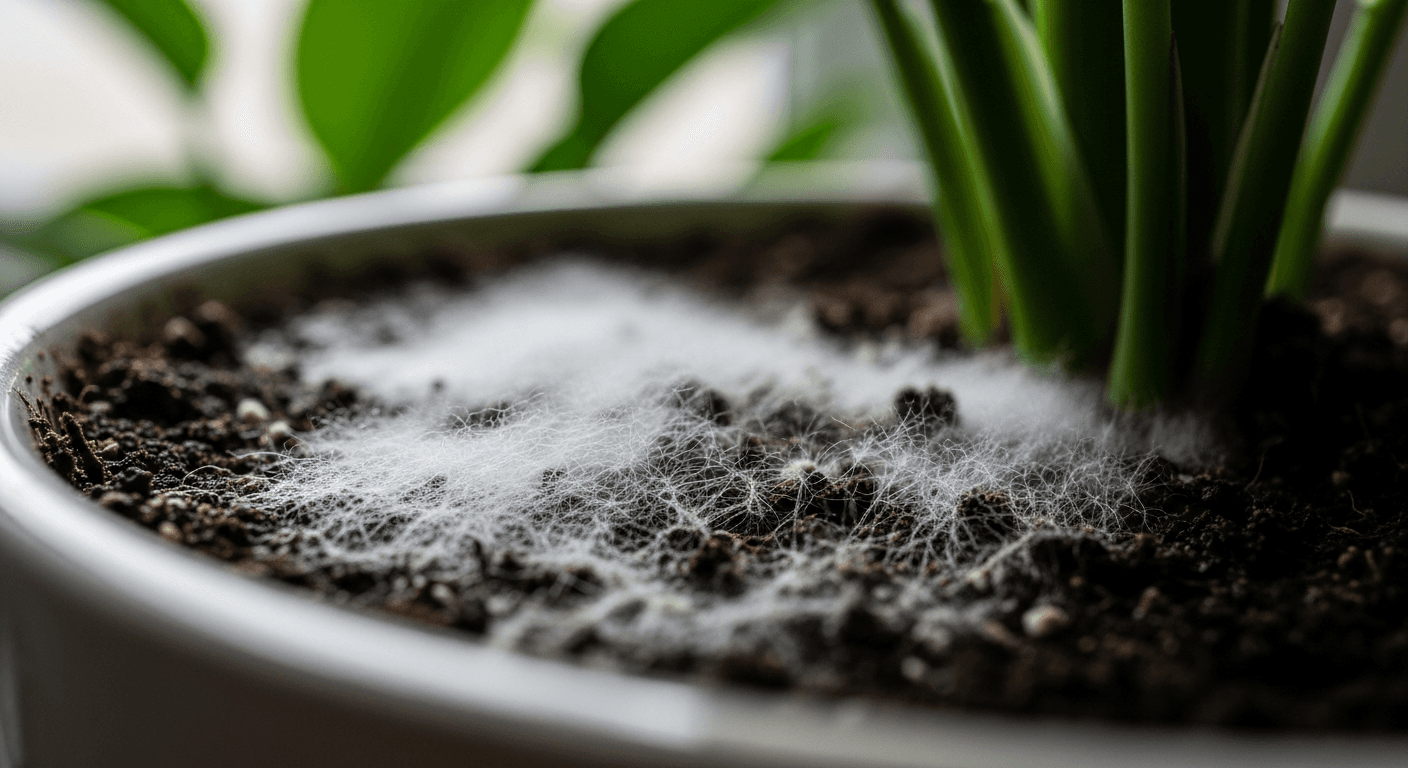
White Mold on Soil: Why It Appears and How to Remove It
That white, fuzzy mold on potting soil is a harmless fungus caused by moisture. Learn why it appears, how to remove it, and how to prevent it coming back.
Trouble with your plant?
AI diagnosis