Black Soot That Wipes Off With a Finger: How to Actually Clear It
Sooty mold is that sticky black soot on leaves. It doesn't attack the plant directly: it grows on pest honeydew. Learn how to wipe it off and treat the real cause.
In this article
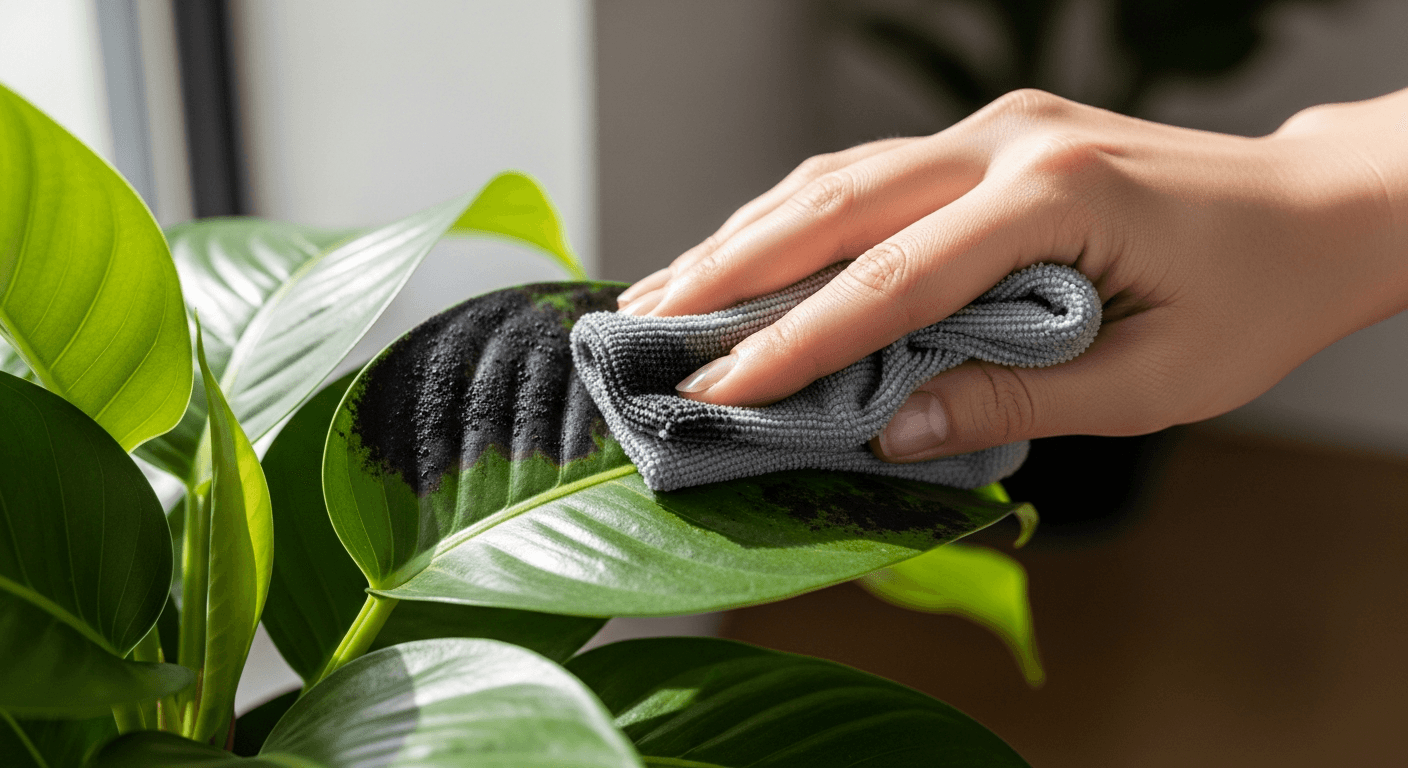
Sooty mold is a symptom, not the disease: it is a fungus that feeds not on the plant but on the sugary honeydew dropped by aphids, scale insects and whitefly. So you clear it in two steps, in this order: first treat the sap-sucking pest feeding it, then wipe the leaves with a damp cloth and a few drops of mild soap. Clean without treating the pest and the soot is back within a week.
What sooty mold is and why it appears
Sooty mold is a fungus that doesn't feed on the plant —it feeds on honeydew: a sugary, sticky substance excreted by certain sap-sucking pests. Where there's honeydew, the fungus moves in and forms that black coating.
In other words: if you have sooty mold, you almost certainly have a hidden pest. The usual culprits are:
- Aphids
- Scale insects and mealybugs
- Whitefly
Is your plant looking off and you are not sure why?
Free AI diagnosisWhy it's a problem (even if it doesn't eat the plant)
Although sooty mold doesn't penetrate the leaf, it does cause indirect harm:
- It blocks light: the black layer reduces photosynthesis and weakens the plant.
- It disfigures the plant and spreads to stems, fruit and nearby furniture.
- It signals an active pest that is genuinely damaging your plant.
Removing it and keeping it away
How to remove it step by step
The trick is to tackle both things: the visible fungus and the pest feeding it.
1. Find and treat the pest. Check the undersides of leaves and tender new growth for insects or sticky honeydew. Treat accordingly (insecticidal soap, neem oil, manual removal). Without eliminating the pest, the sooty mold will keep coming back.
2. Clean the leaves. With a soft cloth dampened in warm water and a few drops of mild soap, gently wipe each leaf on both sides until the soot lifts off. For small or heavily affected leaves, a gentle shower helps.
3. Remove the worst parts. Prune off fully coated leaves or branches with clean scissors: they're not worth rescuing.
4. Watch and repeat. Check every few days. If honeydew reappears, there's still a pest to treat.
How to prevent it coming back
- Inspect your plants regularly, especially leaf undersides.
- Catch any sap-sucking pest early: sooty mold can't appear without honeydew.
- Watch for ants: they "farm" aphids and scale to harvest the honeydew, and their presence gives the pest away.
- Keep good airflow and dust the leaves of large-leaved plants.
In the garden and on trees
Sooty mold is very common on citrus, oleander and ornamentals attacked by scale or whitefly. The approach is the same: treat the pest, wash the foliage and improve canopy airflow with a light prune.
Not sure which pest is producing the honeydew? Upload a photo of your leaves to our AI diagnosis and we'll help you identify the culprit.
Remember the golden rule: sooty mold disappears on its own once you cut off the honeydew supply. Treat the pest, clean the leaves, and your plant will breathe again.
Related articles
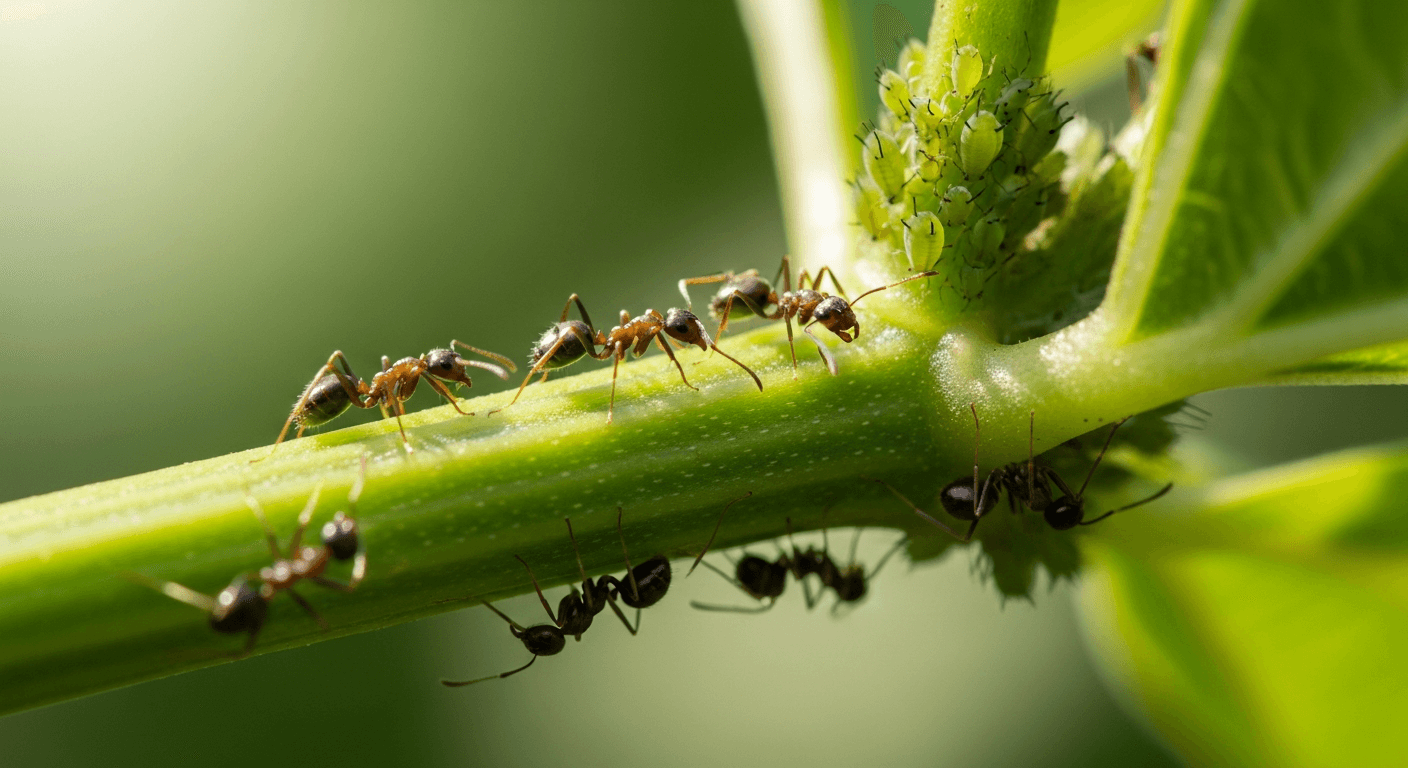
Ants on Your Plants: What They Want and How to Get Rid of Them
Ants on your plants are almost always farming aphids or scale for honeydew. Learn how to remove the ants and, above all, treat the real pest behind them.
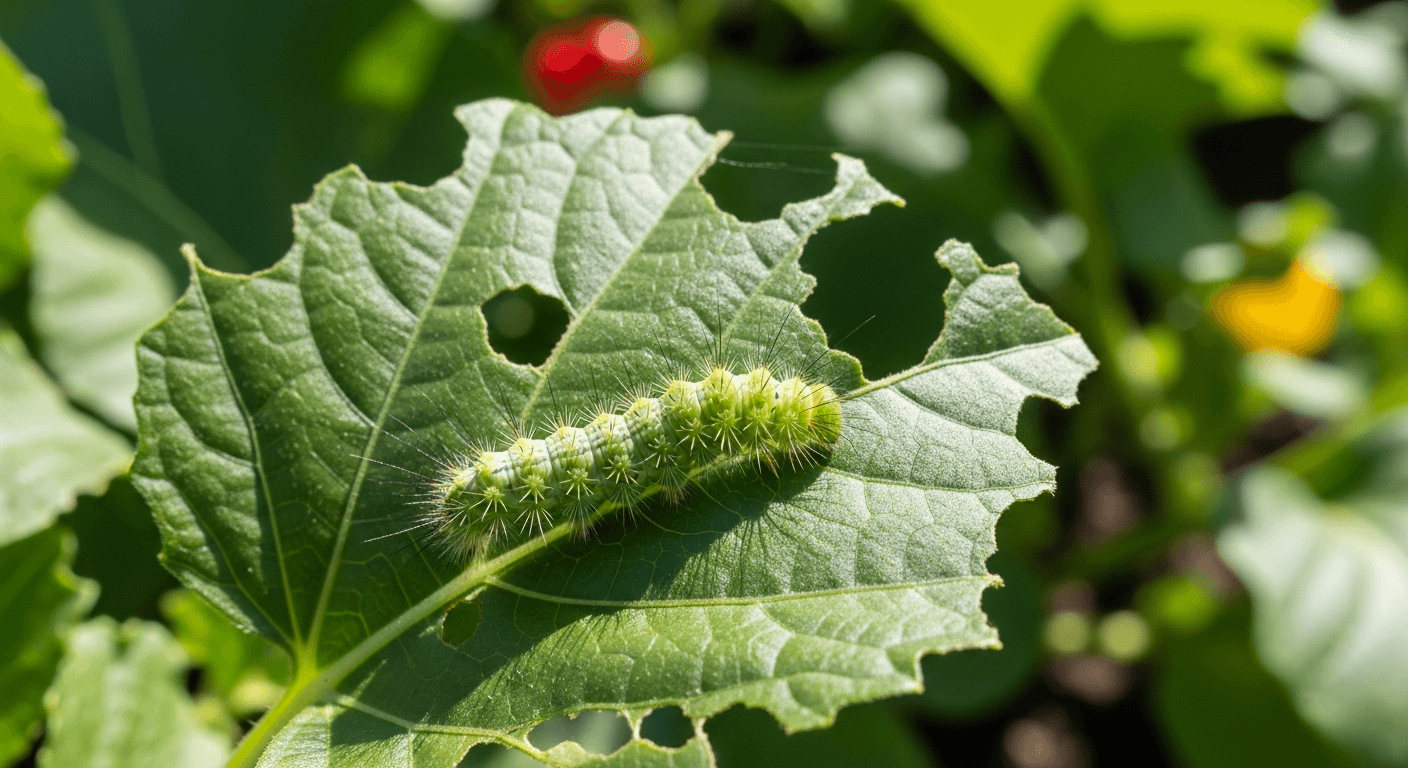
Caterpillars on Plants: How to Identify and Get Rid of Them
Caterpillars eating garden leaves: how to spot the holes and droppings, handpick them, and treat with Bacillus thuringiensis (Bt) without harsh chemicals.
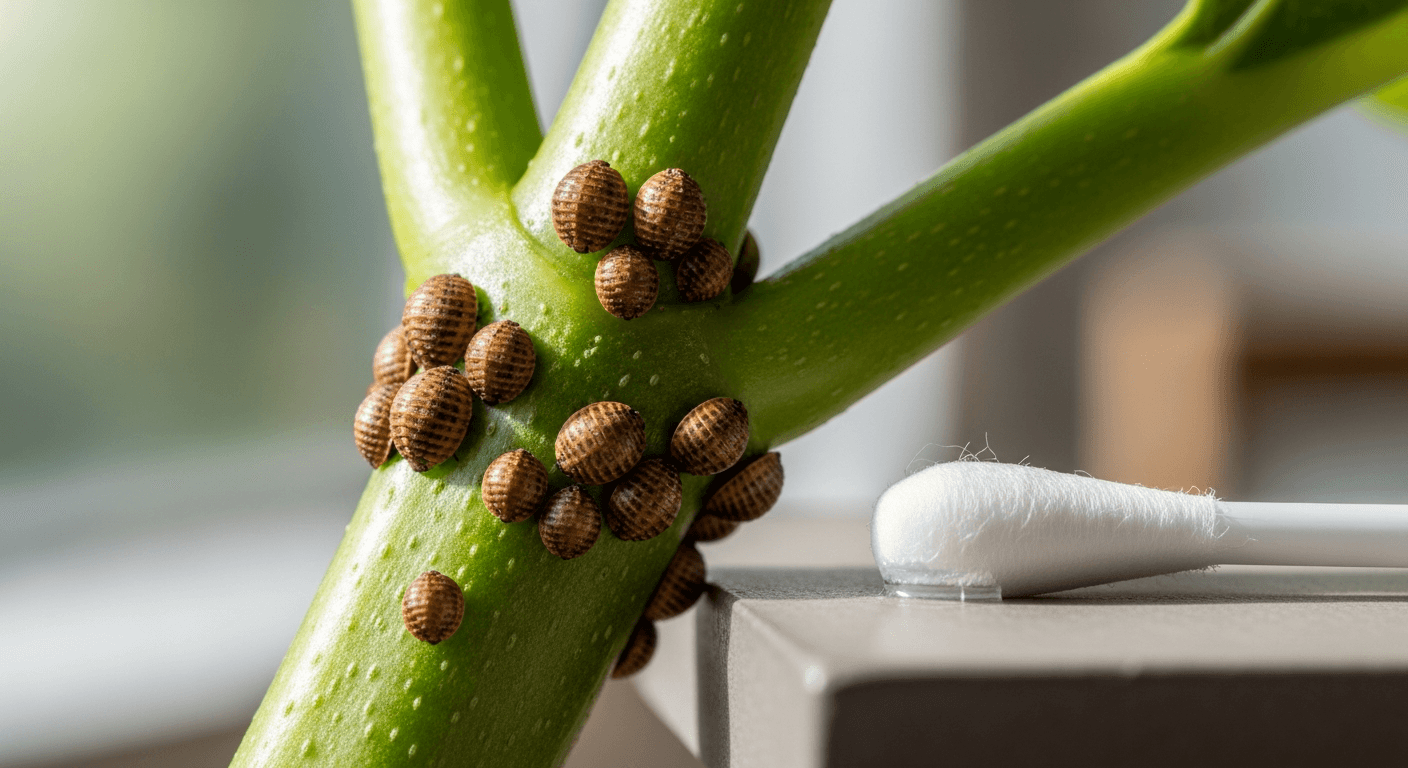
Scale Insects: How to Get Rid of Those Brown Bumps
Those hard brown bumps stuck to stems and leaves are scale insects. Learn to identify them, remove them step by step and stop them coming back to your plant.
Trouble with your plant?
AI diagnosis