How to Get Rid of Slugs and Snails in the Garden Naturally
Slugs and snails devour seedlings and leaves at night. Learn to spot them by their trail and control them with barriers, beer traps and natural methods.
In this article
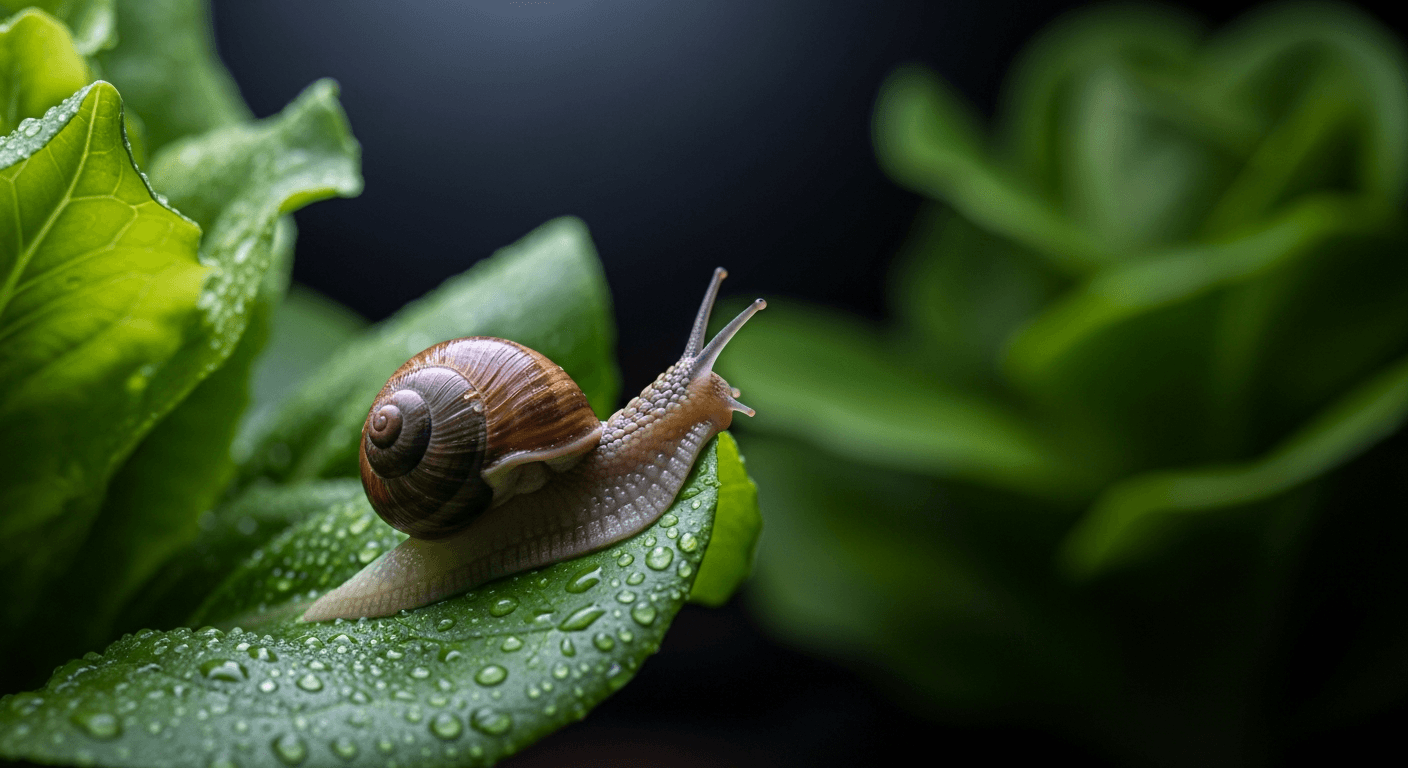
If your leaves turn up in the morning with ragged holes and a shiny silver trail across them, it's slugs or snails. The chemical-free control that actually works combines three things: a copper or diatomaceous earth barrier around whatever you want to protect, a beer trap sunk a couple of yards from the crop, and a torchlit night round an hour after dark. They're the nightmare of the urban garden because they attack at night and can wipe out a tray of seedlings or the leaves of your lettuce and strawberries in one early morning, so act the first day you spot the slime.
How to know you have them
- Leaves with irregular holes and chewed edges, especially low down.
- A silvery, shiny trail (their dried slime) on leaves and soil.
- Damage appears at night or after rain; by day they hide in damp, dark spots.
Their damage is easy to confuse with caterpillars, but caterpillars leave no silvery trail and are usually visible (or leave droppings) in broad daylight. If there's a shiny slime trail, it's slugs or snails almost for certain.
When and where to look
The useful inspection isn't in daylight — it's an hour or two after dark, and better still if you've just watered or it has rained. With a head torch, work along the base of the plants, the undersides of the lowest leaves and the rim of the beds. By day, lift whatever sits on the ground — pots, boards, saucers, stones — and look underneath: that's where they wait out the sun.
Is your plant looking off and you are not sure why?
Free AI diagnosisSnail or slug?
For damage and control they're nearly the same, and the methods work for both. The practical difference is the shell: the snail carries one and shelters inside, so it copes better with dryness and climbs walls, trunks and pots to reach higher leaves. The slug has no shell, needs more moisture, and hides under pots, boards and in the top layer of soil; that's why it does more damage at ground level, on just-germinated seedlings and at the base of plants. Knowing which one dominates tells you where to look and where to place your barriers.
Chemical-free control
- Physical barriers: a strip of copper around the pot or bed rim gives them a small shock on contact with their slime, so they won't cross it. Crushed eggshell, ash or diatomaceous earth make a dry, abrasive surface they avoid (but they lose effect in rain or when watered, so you have to refresh them).
- Beer trap: sink a cup to ground level with an inch of beer. The yeast draws them in, they fall and can't get out. Empty and refill it every 2-3 days. Key tip: place it a couple of yards from the plants you want to protect, not right next to them, so you don't lure them straight into the crop.
- Night collection: go out with a flashlight 1-2 hours after dark or right after watering, when they're active, and pick them by hand (gloves help with slugs). It's the most effective method if you have few and want to nip an invasion in the bud before they multiply.
- Trap shelters: leave a damp board, a roof tile or half a grapefruit face-down near the crops. They shelter under it during the day and you just lift it each morning and remove them.
- Iron phosphate: if the pest gets out of hand, there are iron phosphate baits, allowed in organic growing and far less toxic to pets, hedgehogs and birds than the old metaldehyde. Scatter sparingly and always per the label.
- Encourage their predators: hedgehogs, toads, shrews, birds and some beetles eat slugs and snails. A garden with biodiversity (a small pond, shelter spots, no broad-spectrum insecticides) self-regulates far better than a "sterilized" one.
How to prevent them
- Water in the morning, not at night: a garden that's damp at night invites them.
- Remove leaves, pots and damp hiding spots near the crops.
- Especially protect seedlings and tender shoots, their favorites.
- Pick ripe fruit (strawberries, low tomatoes) before it spends the night on the ground: it's a magnet for slugs.
The crops that suffer most
They don't like every crop equally. Tender leaves go first, so if you're starting out with lettuce in pots, get the barrier down before you even transplant. Strawberries in pots are the other classic target: any fruit touching the soil is chewed by morning, and lifting it onto straw or a wire ring is usually enough to save it. Tough-leaved herbs and pungent crops like garlic and onion are barely touched.
Extra care with seedlings
A just-germinated seedling doesn't survive a single bite, and its disappearance is often mistaken for damping off, the collapse of seedlings. The difference is clear: with damping off the stem pinches at soil level and the seedling flops over but stays whole; with slugs the seedling is simply gone, usually with a shiny trail left across the compost. A raised seed tray, with the table legs standing in saucers of water, is close to impregnable.
What not to use
Salt is the most-repeated home remedy and the worst one: it does kill the slug, but it salinizes the soil and damages the roots of everything you plant afterwards. Old metaldehyde baits aren't worth it in a home garden either, since they're toxic to dogs, cats and hedgehogs. And eggshells, ash or diatomaceous earth stop working the moment they get wet: they're not a treatment, they're a barrier you have to refresh.
Quick method table
| Method | How it works | Best for |
|---|---|---|
| Copper strip | Barrier (small shock) | Pots and raised beds |
| Beer trap | Attracts and drowns | Measuring and cutting the population |
| Night collection | Manual removal | A few individuals or an early invasion |
| Trap shelters | Concentrates them by day | Easy morning checks |
| Iron phosphate | Organic bait | When the pest gets out of hand |
| Predators | Biological control | Long-term prevention |
With copper barriers, beer traps and the odd night round, you'll keep the garden safe. Odd damage on your leaves? Compare it in the AI diagnosis.
Related articles
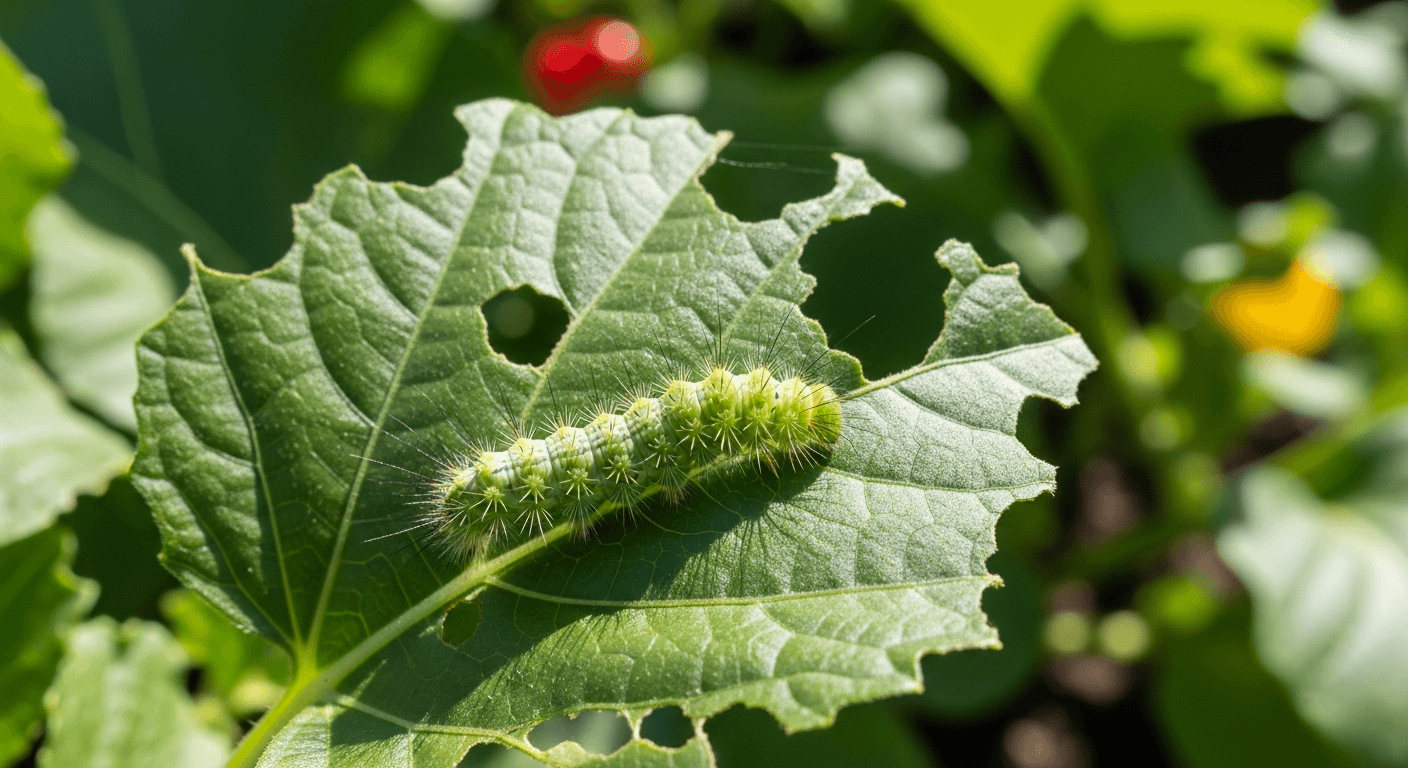
Caterpillars on Plants: How to Identify and Get Rid of Them
Caterpillars eating garden leaves: how to spot the holes and droppings, handpick them, and treat with Bacillus thuringiensis (Bt) without harsh chemicals.
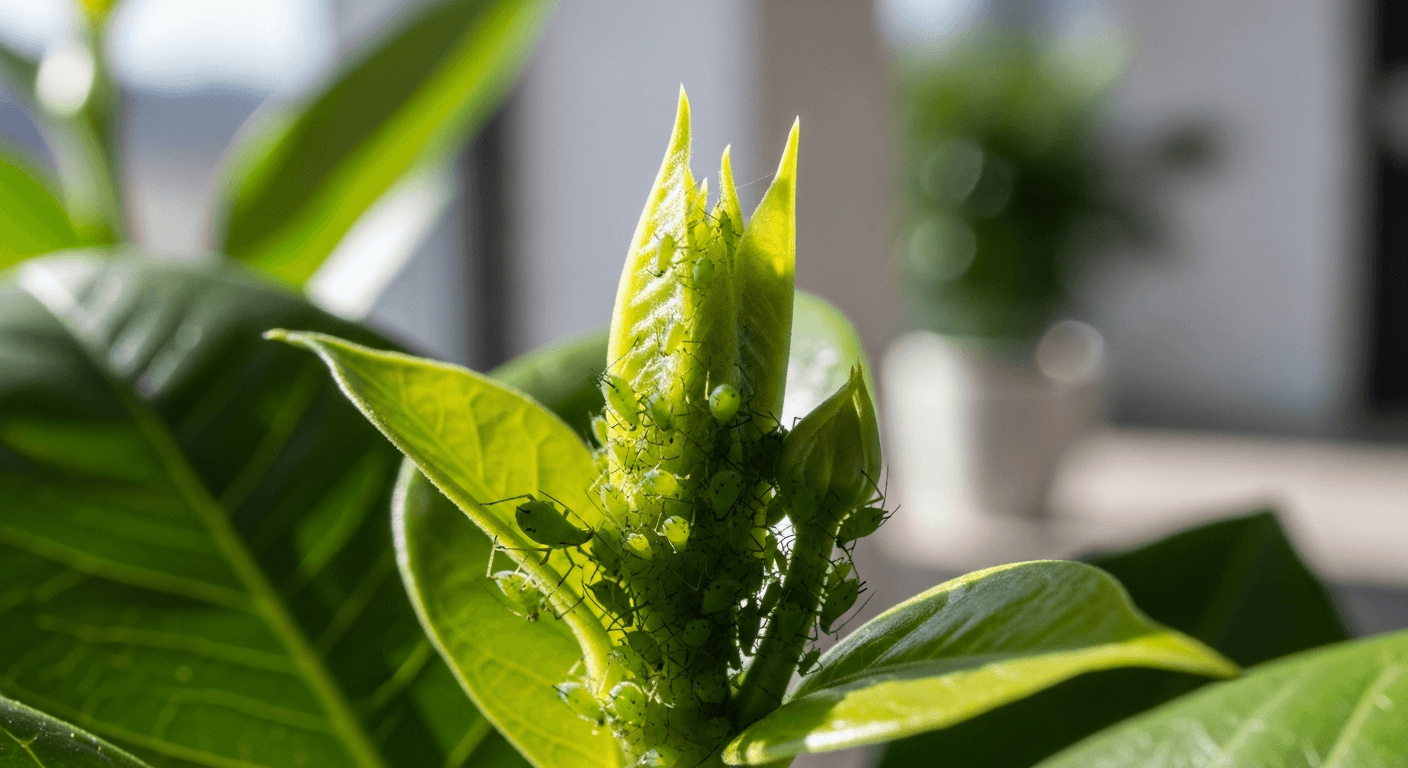
Aphids: How to Get Rid of Them With Easy Remedies
Aphids breed at lightning speed on new shoots and buds. Learn to identify them, clear them with water, soap and natural remedies, and prevent a comeback.
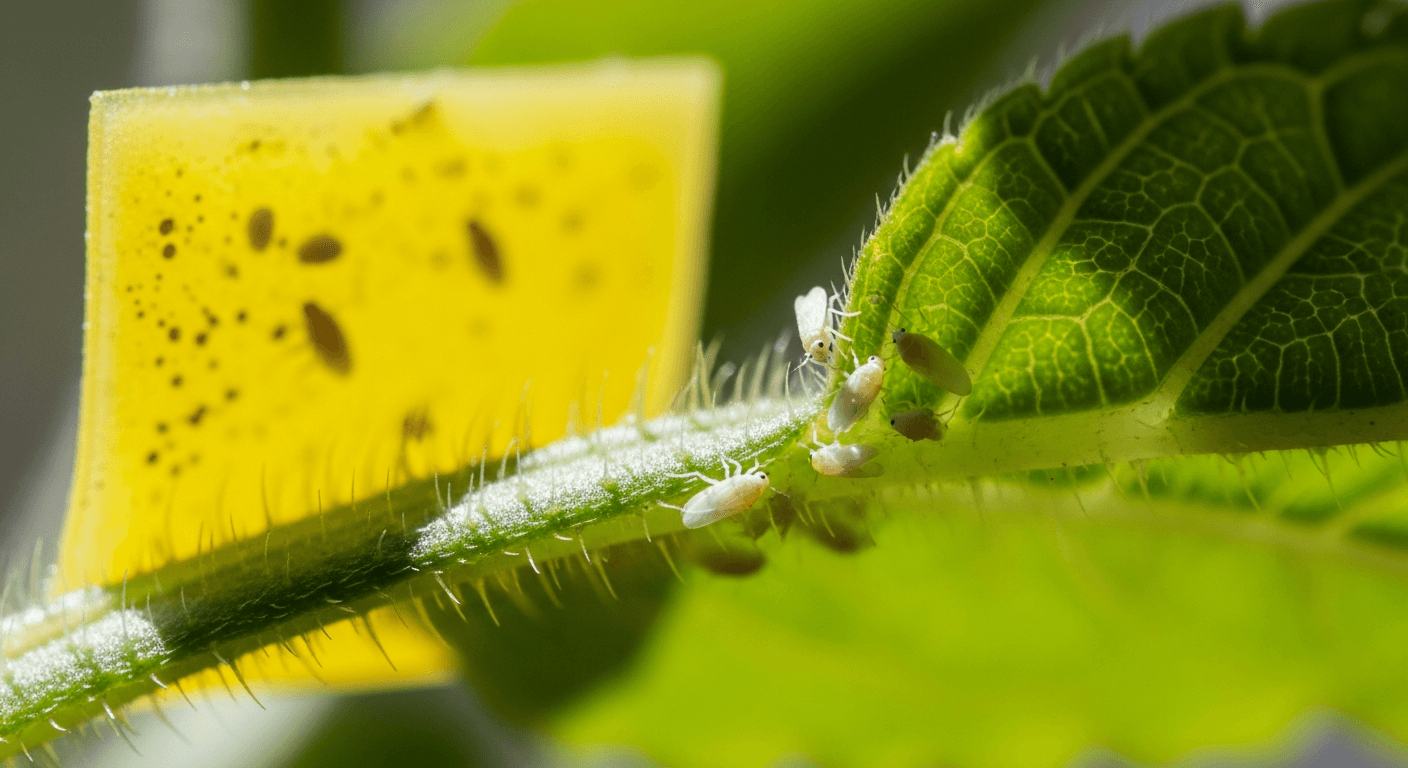
Whitefly: How to Clear the White Cloud From Your Plants
If tiny white flies take off when you move the plant, it's whitefly. Learn to identify and eliminate it with yellow traps, soap and persistence.
Trouble with your plant?
AI diagnosis