Long Stems and Sparse Leaves: How to Fix a Leggy Plant
Is your plant growing long, thin stems with sparse leaves? That's etiolation from too little light. Why it happens and how to get bushy, compact growth back.
In this article
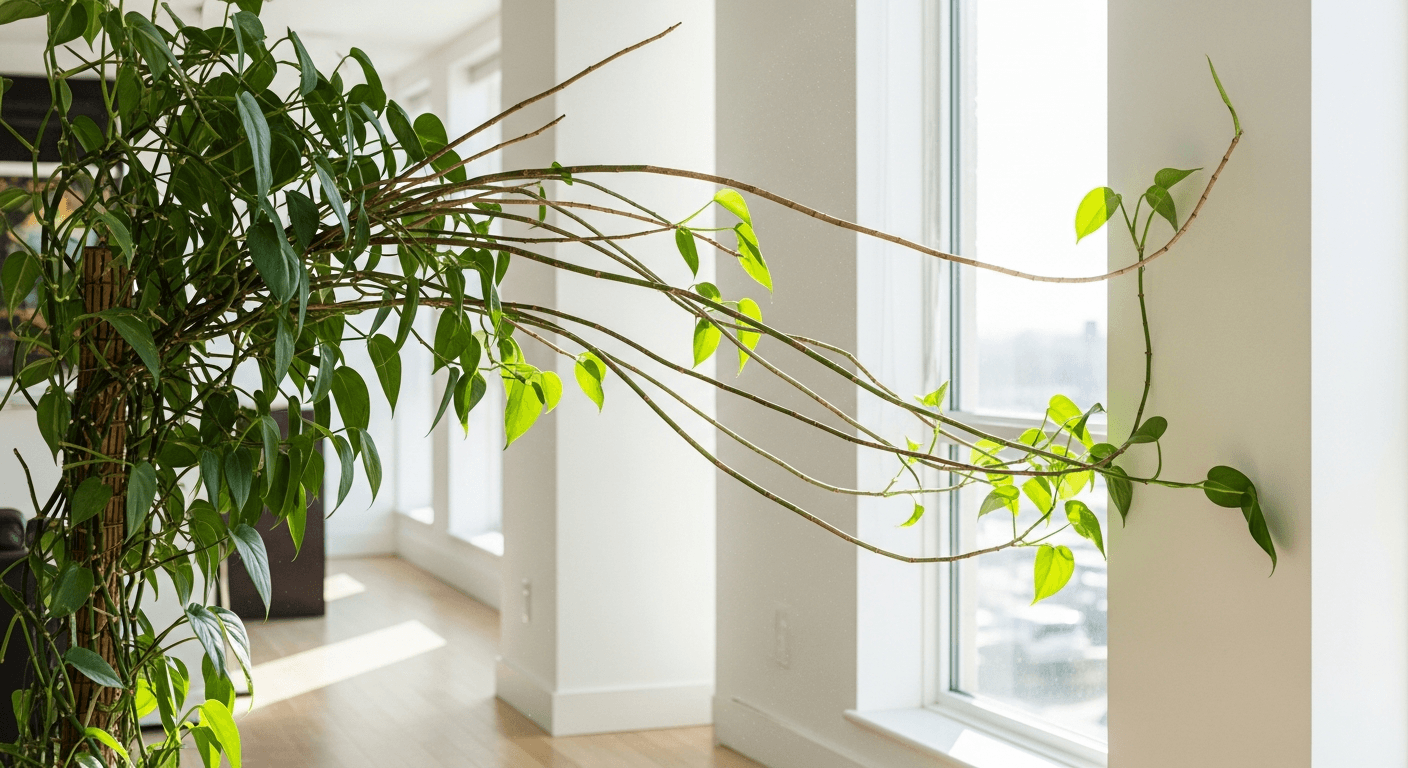
A plant stretching out with long stems and wide gaps between leaves is showing etiolation, and the cause is almost always one thing: not enough light. The fix has two halves that must go together: move it to the brightest window you have, and prune the stretched stems above a node, because the already-elongated growth never re-compacts. Light stops it happening again; pruning fixes what is already done.
What it is and how to spot it
What etiolation is
It's the plant's response to darkness. Searching for more light, it stretches its stems rapidly to "reach" the window, sacrificing thickness, color and leaves along the way. The result is a spindly, pale, weak plant —the opposite of what we want indoors.
Is your plant looking off and you are not sure why?
Free AI diagnosisHow to recognize a leggy plant
- Long internodes: lots of bare stem between one leaf and the next.
- Thin, weak stems that lean over or can't support themselves.
- Smaller, paler leaves than normal.
- The plant bends toward the window or light source.
- In succulents: the rosette "opens up" and stretches upward like a tower.
Why it happens
The number-one cause is insufficient light, but with nuances:
- A spot too far from the window.
- A north-facing window, or one blocked by curtains or furniture.
- Winter, when days are short and the sun is weak.
- High-light plants (succulents, cacti) kept in dim interiors.
Too much nitrogen-rich fertilizer combined with low light also pushes soft, stretched growth.
How to fix it
1. Give it more light, now. Move the plant to the brightest window you have. Light is the only "treatment" that stops etiolation. If you're unsure how much light each spot gets, our guide to light for indoor plants will help.
2. Rotate the pot. A quarter turn every few days spreads the light and stops it from growing crooked toward one side.
3. Consider a grow light. In dark rooms or long winters, an LED grow lamp makes a real difference and keeps growth compact.
4. Prune the stretched stems. They won't "re-compact" on their own. Cut just above a node with clean scissors: the plant will branch from there with bushier growth (now that it has good light). Use the cuttings to propagate.
5. Adjust feeding. In low light, cut back on nitrogen: it pushes soft leaves the plant can't support.
What NOT to do
- Don't throw the plant out: most recover well after pruning and more light.
- Don't move it abruptly from shade to harsh midday sun; you could scorch it. Increase light gradually.
- Don't expect the already-stretched parts to shorten: new growth will come in compact, but the old stretch is fixed by pruning.
Prevent it from happening again
- Place each plant according to its real light needs.
- In winter, move plants closer to windows or use artificial light.
- Pinch the growing tips of plants like basil, pothos or tradescantia to encourage a full, bushy shape from the start.
Not sure whether your plant is leggy from low light or something else is going on? Upload a photo to our AI diagnosis and we'll point you the right way.
A leggy plant isn't a lost plant: with more light and a good prune, it will grow back compact, strong and beautiful.
Related articles
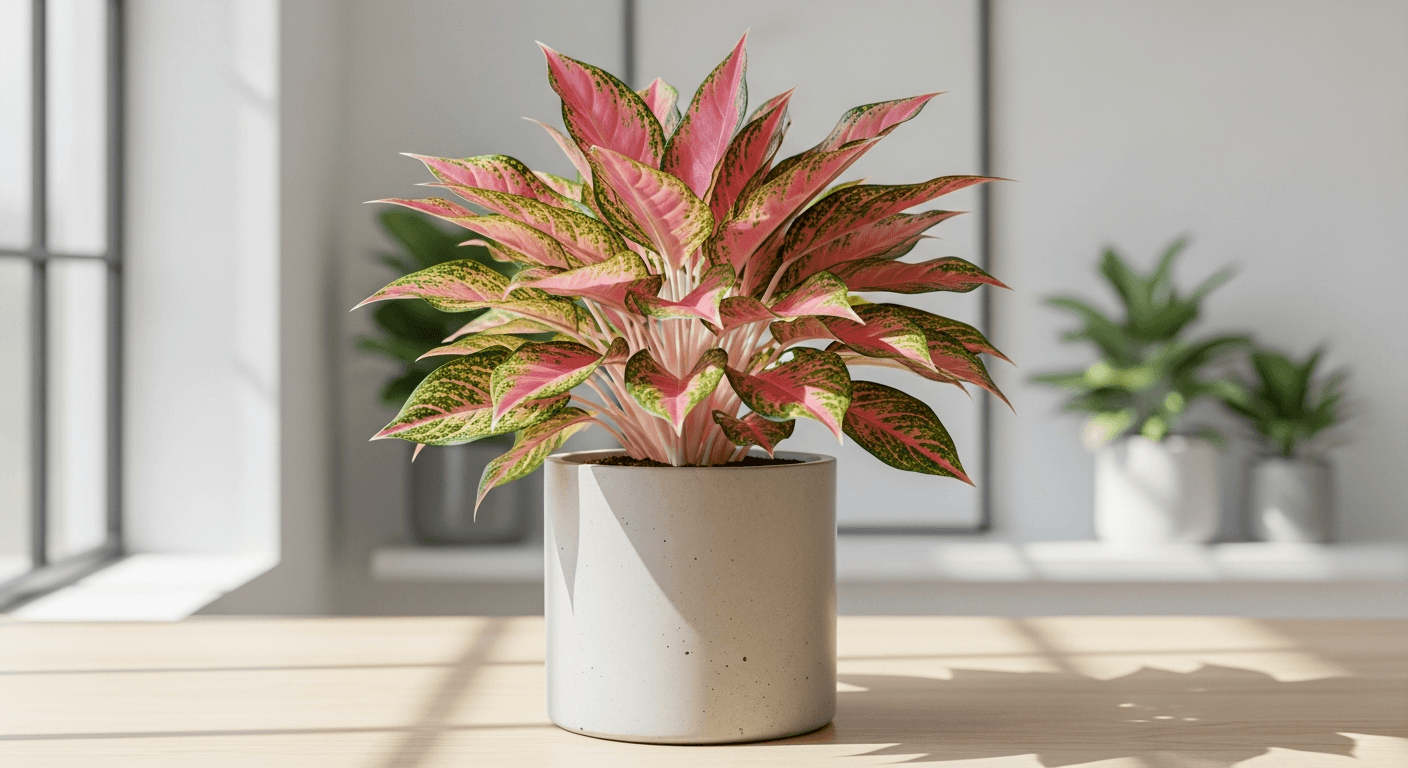
Aglaonema (Chinese Evergreen): The Complete Care Guide
Care guide for the Aglaonema or Chinese evergreen: light for the pink varieties, watering, humidity, propagation by division and its toxicity to pets.
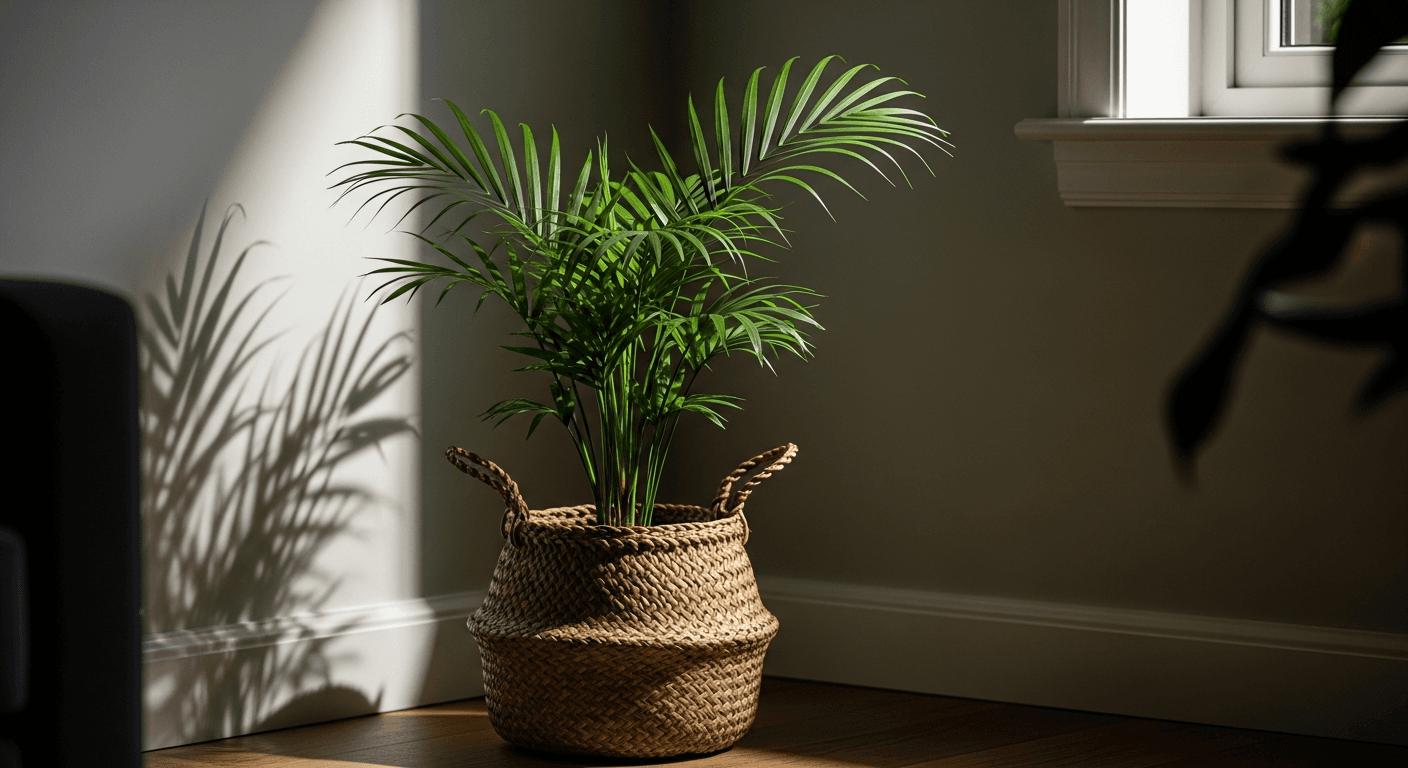
Parlor Palm (Chamaedorea): Care and Why It's Ideal
Parlor palm (Chamaedorea) care: tolerates low light, watering, humidity, why the fronds brown at the tips, and why it's safe for pets. Full guide.
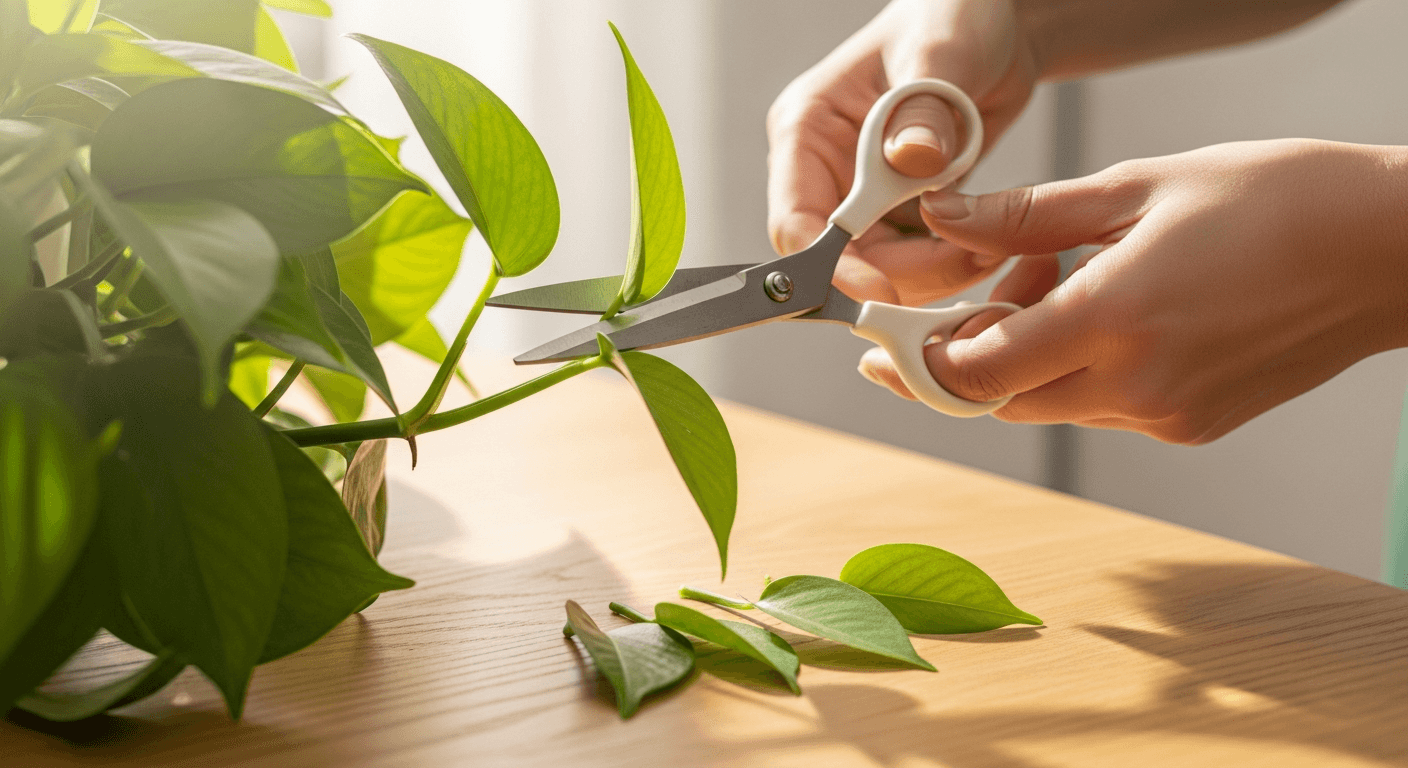
How to Prune Houseplants Step by Step
Learn how to prune houseplants: when and where to cut, the right tools to use, pinching for bushier growth and the common mistakes to avoid when pruning.
Trouble with your plant?
AI diagnosis