Croton: Plenty of Light or It Loses Every Colour
Care for the croton (Codiaeum) indoors: lots of light for its vivid colors, watering, humidity, why it drops leaves when moved, and its toxicity to pets and people.
In this article
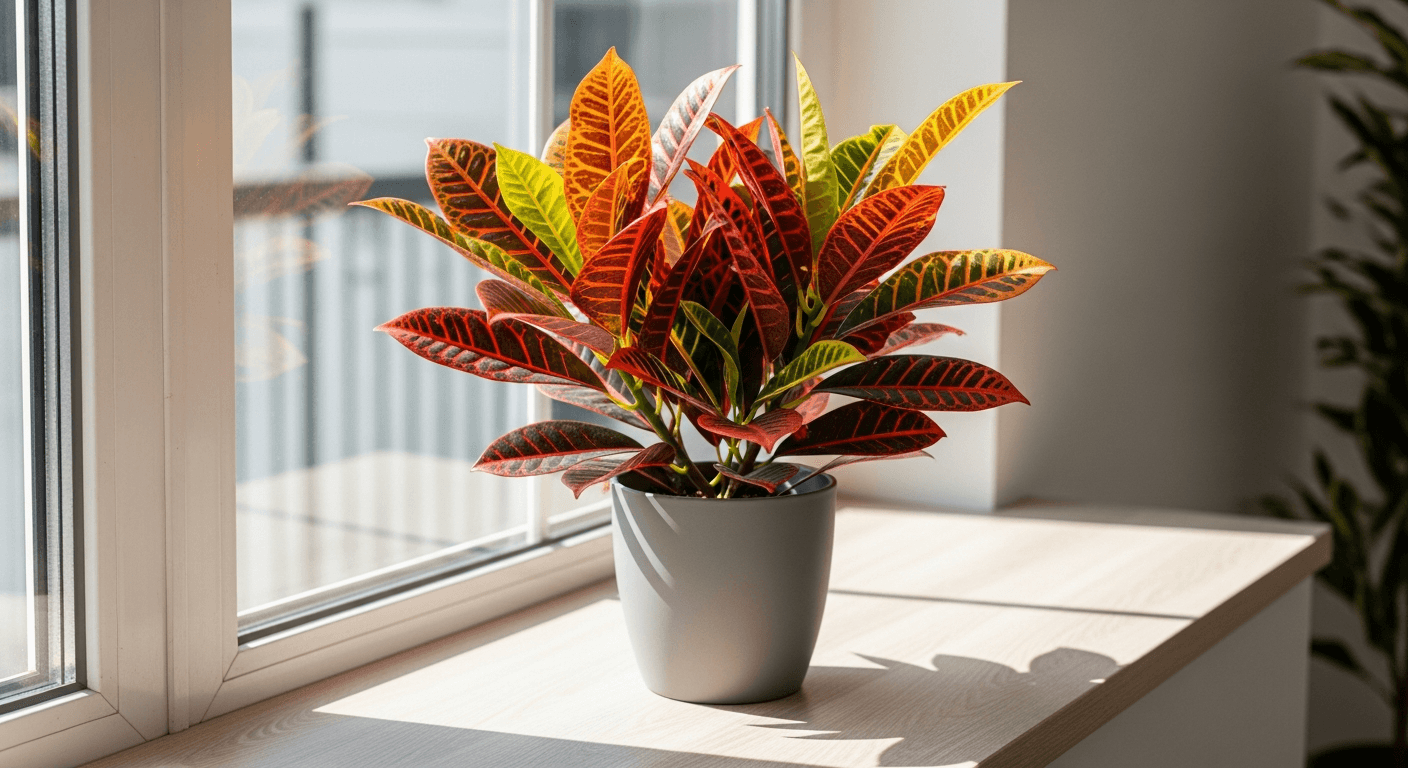
The croton (Codiaeum variegatum) is one of the most striking houseplants around: its leaves blend green, yellow, orange, red and even near-black, as if someone hand-painted them. That explosion of color comes at a price — the croton is a little demanding and, above all, hates change. With light, humidity and stability, it'll reward you with spectacular foliage.
Basic care, point by point
Light: the key to its colors
The croton needs lots of bright light to keep its colors; in shade, new leaves come out green and dull.
- Ideal: very bright indirect light, even some gentle direct sun.
- Tolerates: morning sun without issue.
- Avoid: intense midday sun behind glass, which can scorch.
If the colors turn green and lifeless, it's almost always not enough light.
Is your plant looking off and you are not sure why?
Free AI diagnosisWatering
It wants evenly moist soil, without puddles:
- Water when the top inch or so is dry.
- In spring and summer that's usually 1-2 times a week; less in winter.
- Avoid both waterlogging and drying out completely — either extreme triggers leaf drop.
Humidity and temperature
It's tropical and appreciates high humidity (above 50-60%). In dry rooms, the tips and edges turn brown. Group plants, run a humidifier, or place it in a bright, humid room. Keep it between 65 and 80 °F and away from cold drafts; below 55 °F it suffers and sheds leaves.
To better understand how much light it needs by your windows, read our indoor plant light guide.
Soil and repotting
Use a rich, well-draining mix: all-purpose potting soil with some perlite and organic matter. Repot every 1-2 years in spring, into a pot only slightly larger.
Feeding
In spring and summer, feed every 3-4 weeks with a balanced, diluted fertilizer. In autumn and winter, stop feeding, when growth slows.
Why it drops leaves when moved
This is the croton's signature complaint: you buy it gorgeous, take it home, and it starts shedding leaves. It isn't sick — it's stressed by the change in light, humidity and temperature. To minimize it:
- Choose its permanent spot and don't move it without reason.
- Keep watering and humidity consistent.
- Be patient: in a few weeks it acclimates and re-sprouts.
Toxicity: watch the sap
The croton is toxic to dogs, cats and people if eaten, and its milky sap can irritate the skin. Keep it out of reach of pets and children, and wear gloves when pruning or propagating.
Propagation
It propagates from tip cuttings:
- Cut a 4-6 inch tip with a couple of leaves, wearing gloves.
- Let the cut dry for a few minutes to slow the sap bleed.
- Plant it in moist soil, ideally with bottom heat and high humidity.
- It roots in a few weeks.
Popular varieties
They're all cared for the same way; the leaf shape and color mix change:
- 'Petra': the most common, big leaves with yellow, orange and red veins.
- 'Mammy': curled, twisted leaves, very showy.
- 'Gold Dust': green flecked with yellow spots.
- 'Zanzibar': fine, strappy leaves, very colorful.
Quick care table
| Care | Croton |
|---|---|
| Light | Very bright (for color) |
| Water | Evenly moist soil |
| Humidity | High (50-60%+) |
| Difficulty | Medium |
| Pets | Toxic (irritant sap) |
Common problems
| Symptom | Likely cause | Fix |
|---|---|---|
| Green, colorless leaves | Not enough light | More bright light |
| Leaf drop | Move, cold or erratic watering | Fix location; steady watering |
| Brown tips | Air too dry | Raise humidity |
| Fine webbing underneath | Spider mites (dry air) | Raise humidity and treat |
| Cottony lumps | Mealybugs | Isolate and wipe with alcohol |
Is your croton dropping leaves or looking off, and you can't tell if it's water, light or a pest? Upload a photo to our AI diagnosis tool to find out.
Related articles
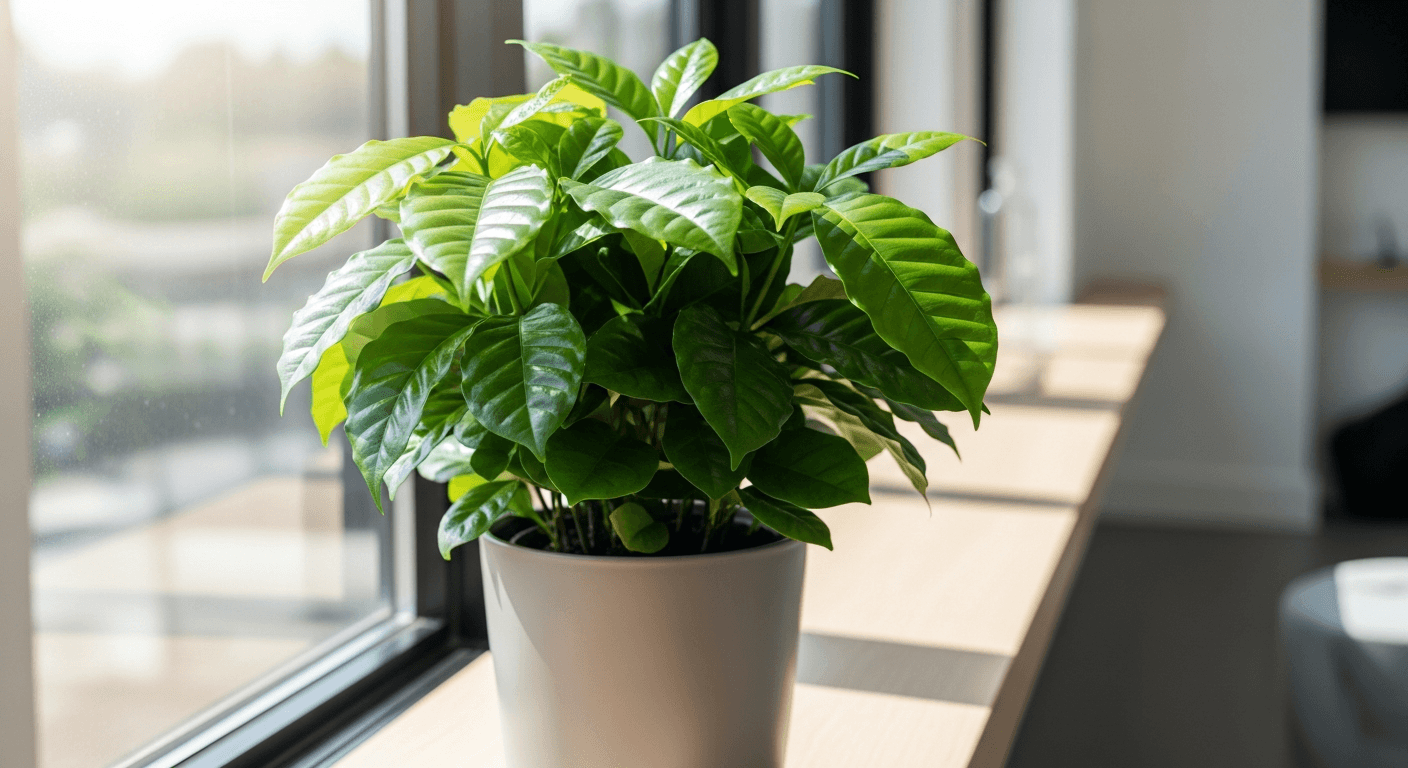
Coffee Plant Care: Growing Coffea at Home
Coffee plant (Coffea arabica) care as a houseplant: bright indirect light, humidity, watering, and whether you can really harvest your own coffee beans.
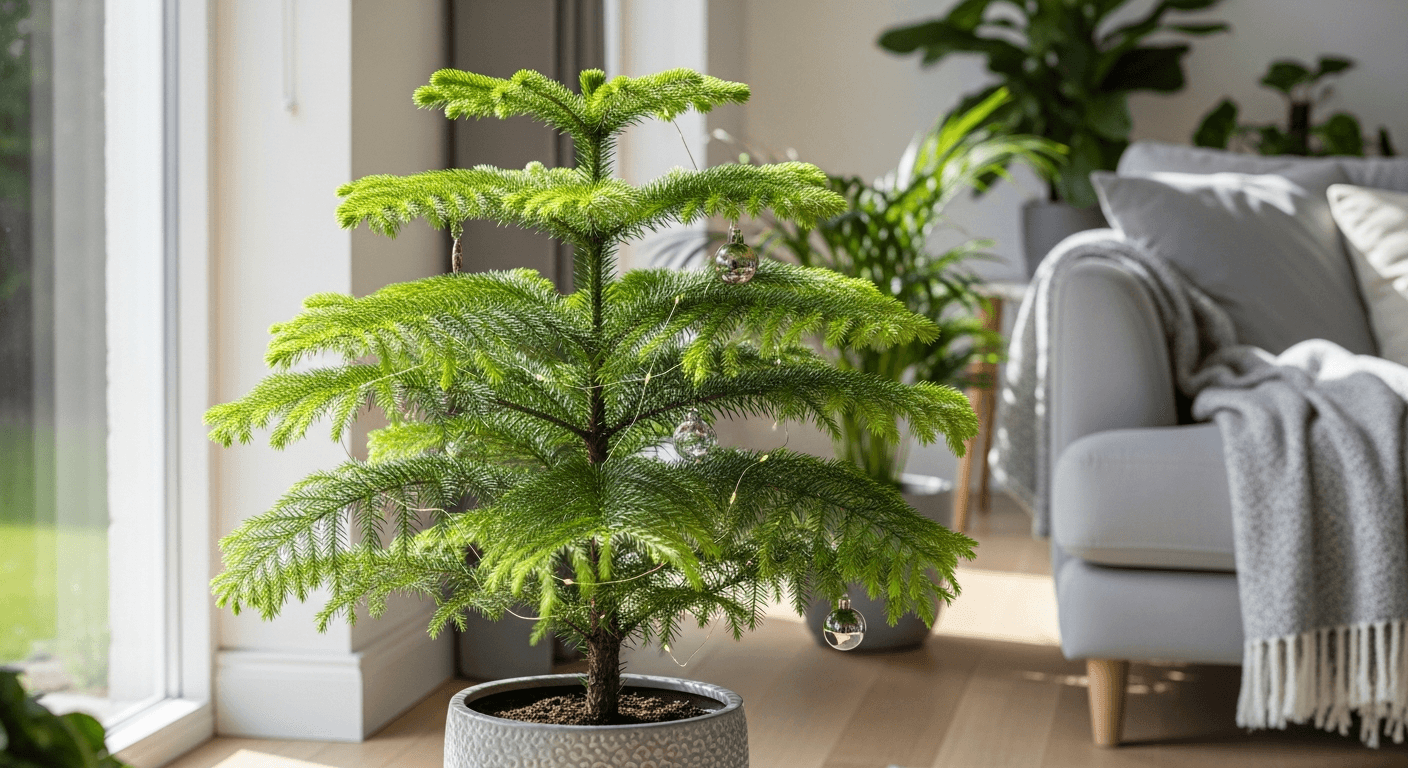
Norfolk Island Pine Care: The Living Christmas Tree
Norfolk Island pine (Araucaria heterophylla) care: light, watering, humidity and why its branches turn brown and drop. The living indoor Christmas tree guide.
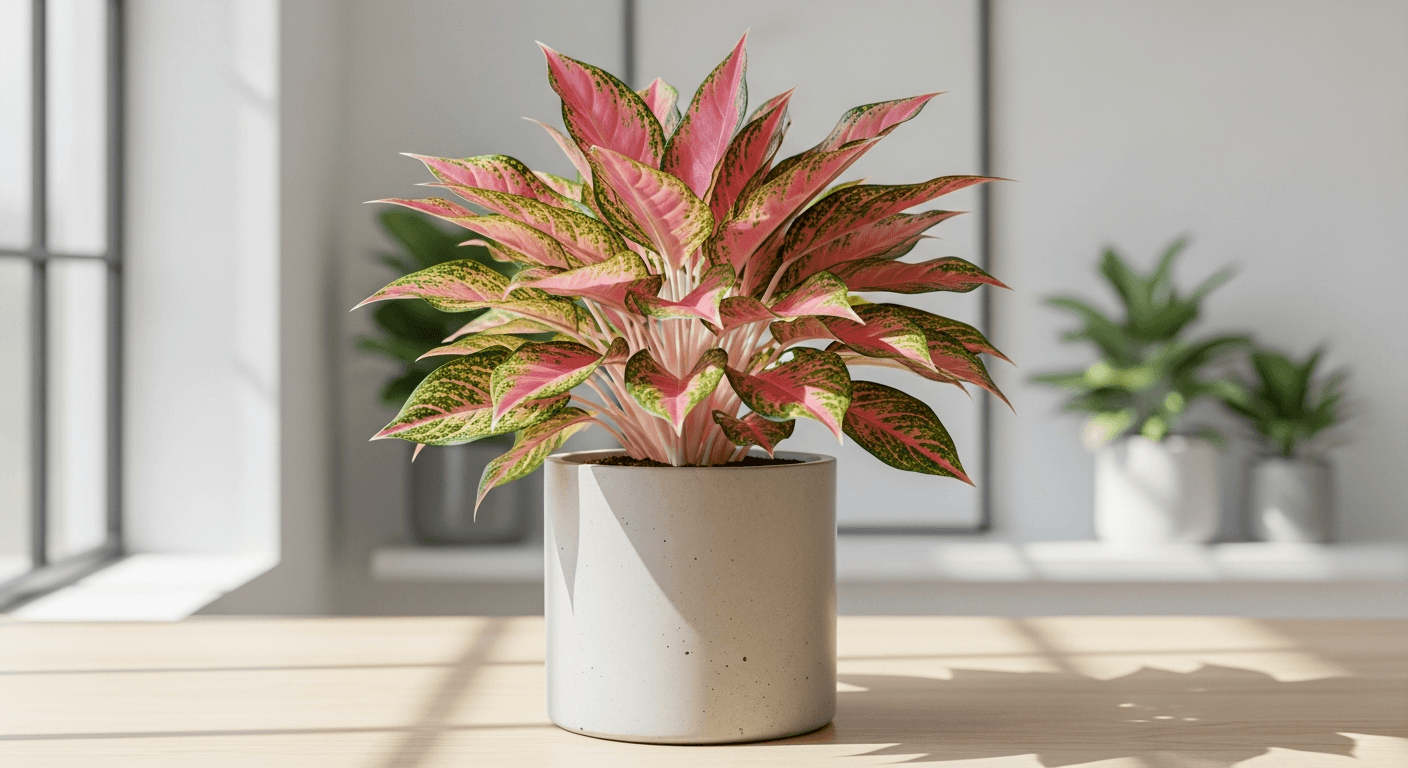
Aglaonema (Chinese Evergreen): The Complete Care Guide
Care guide for the Aglaonema or Chinese evergreen: light for the pink varieties, watering, humidity, propagation by division and its toxicity to pets.
Trouble with your plant?
AI diagnosis