Peace Lily: The Plant That Tells You When It Is Thirsty
Peace lily care: the houseplant that 'faints' when thirsty. Light, watering, why it won't bloom and how to revive it. Ideal for low light and beginners.
In this article
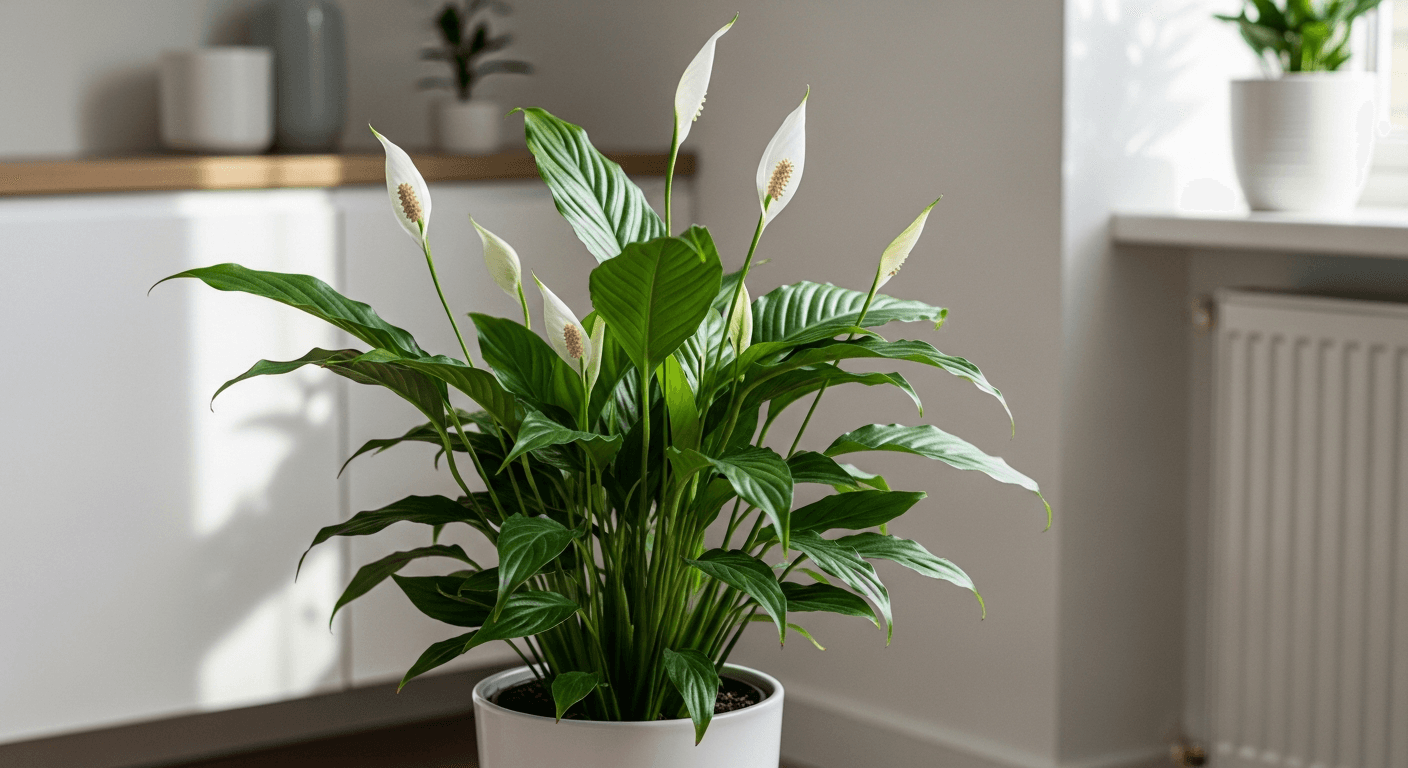
The peace lily (Spathiphyllum) is one of the most rewarding houseplants I know: it tolerates low light, produces elegant white flowers and, above all, tells you when it's thirsty by dropping its leaves dramatically… only to bounce back within hours of watering. It's almost like having a pet that tells you what it needs. Here's the complete guide to keeping yours beautiful and in bloom.
Basic care, point by point
Light
| Light level | Result |
|---|---|
| Medium indirect | Healthy leaves and blooming ✅ |
| Low light | Grows well, but blooms little or not at all |
| Direct sun | Scorches and yellows the leaves |
It's one of the very few plants that blooms without direct sun, which makes it ideal for indoors. But watch the myth: it tolerates low-light corners, but to bloom it needs decent indirect light. If you only get leaves and never flowers, it's almost always too little light.
Is your plant looking off and you are not sure why?
Free AI diagnosisWatering: read its signals (but don't abuse them)
The peace lily is transparent about its needs, which makes it perfect for beginners:
- Water when the plant starts to droop slightly or the top inch of soil is dry.
- Within hours of watering, it firms back up completely.
- Don't wait for it to fully faint every time: repeating that stress browns the tips and weakens the plant. Use it as an occasional warning, not as a system.
Water deeply and empty the saucer. Use water rested 24 hours or filtered: chlorine and lime brown the tips. The method is in the watering guide.
Humidity and temperature
It's tropical and appreciates high ambient humidity. With heating, dry air causes brown tips; group plants or use a humidifier. Keep it between 65 and 80 °F (18-27 °C), away from cold drafts and radiators. It won't tolerate cold below 55 °F (13 °C).
Feeding
From spring to summer, a balanced fertilizer at half strength every 4-6 weeks encourages blooming. In winter, it rests. Too much fertilizer causes brown tips and few flowers: less is more.
Why it won't bloom (and how to fix it)
It's the most common question. The white flowers appear when two things are met: enough indirect light and a mature, healthy plant. If you have lovely green leaves but never flowers:
- Move it closer to a window (no direct sun).
- Feed it in spring-summer.
- Be patient: a young or newly bought plant can take a while to rebloom after the nursery flowers fade.
The "flower" isn't a flower
Fun fact: that elegant white leaf isn't the flower, but a spathe (a modified leaf) that wraps the real cluster of tiny flowers, the spadix (the central "spike"). That's why, over time, the white spathe turns greenish: it's completely normal, not a problem.
Repotting and division
Repot every 1-2 years in spring, when roots fill the pot. It's the ideal time to divide the plant: separate it into two clumps with roots and replant each. You get free new plants and rejuvenate the original.
Does it really purify the air?
The peace lily is one of the stars of the famous NASA clean-air study. The honest reality: in a normal room you'd need a great many plants for a measurable effect. Enjoy it for being pretty and easy; if the topic interests you, see our guide to air-purifying plants with realistic expectations.
Quick care table
| Care | Peace lily |
|---|---|
| Light | Medium indirect (to bloom) |
| Water | When the soil starts to dry |
| Humidity | High (watch for brown tips) |
| Difficulty | Easy |
| Pets | Toxic if eaten |
Common problems
| Symptom | Cause | Fix |
|---|---|---|
| Brown tips | Chlorine/lime, dry air or over-feeding | Rested water + humidity; less feed |
| Yellow leaves | Overwatering | Let it dry; check for rot |
| Brown leaf patches | Direct sun or water in the crown | Move off sun; don't wet the center |
| No blooms | Too little light | Move closer to a window |
| Faints very often | Repeated drought | Water more regularly |
Is it toxic to pets?
Yes, it contains calcium oxalates: it irritates the mouths of dogs and cats if chewed. It's not fatal in small amounts but unpleasant; keep it out of reach. If you have pets and want safe greenery, consider the spider plant or the calathea instead; check the pet-friendly plants list. Other easy non-flowering options include pothos (also toxic, so keep it high) or, for blooms, the non-toxic orchid.
With medium light and watering by its signals, the peace lily is one of the easiest and prettiest plants to start with, and one of the few that blooms indoors. Yours looking off? Try the AI diagnosis tool and we'll tell you what's wrong.
Related articles
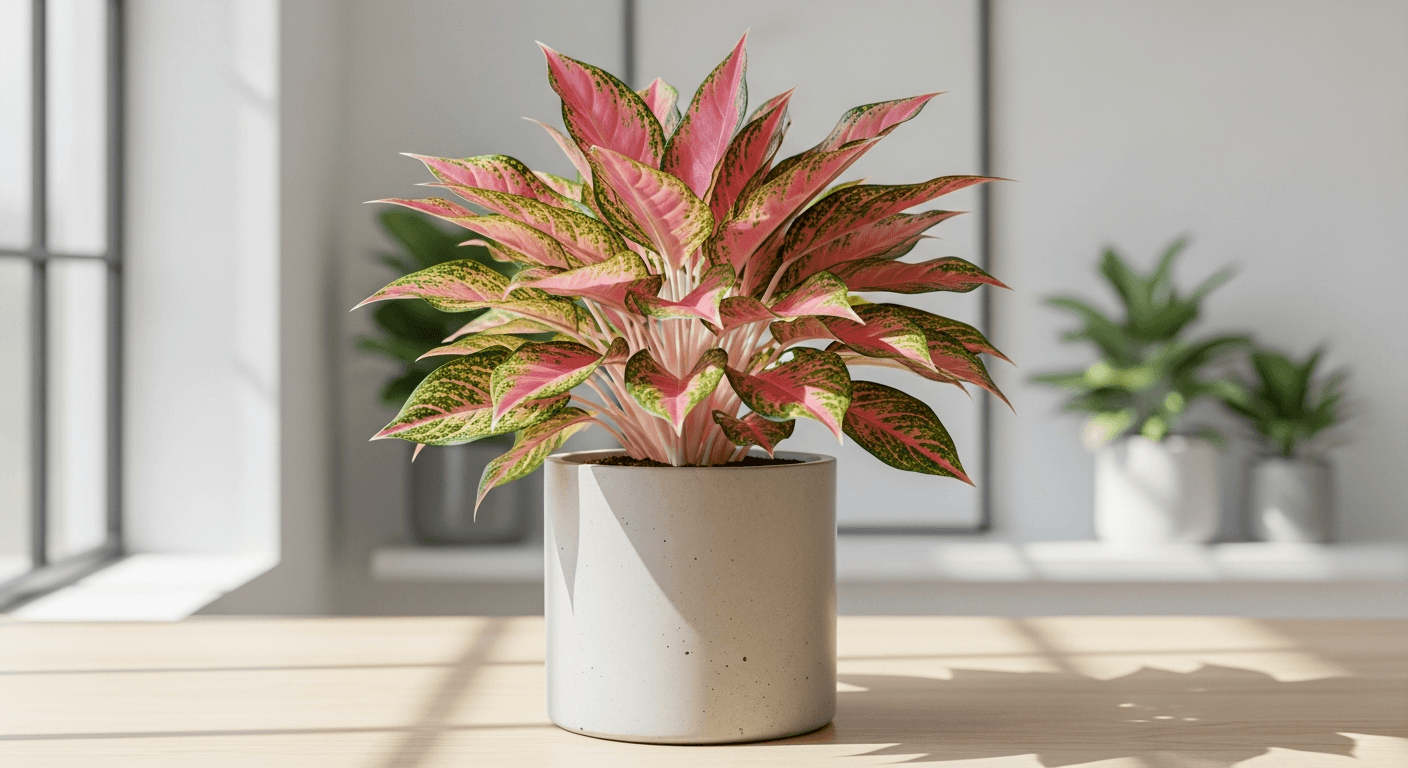
Aglaonema (Chinese Evergreen): The Complete Care Guide
Care guide for the Aglaonema or Chinese evergreen: light for the pink varieties, watering, humidity, propagation by division and its toxicity to pets.
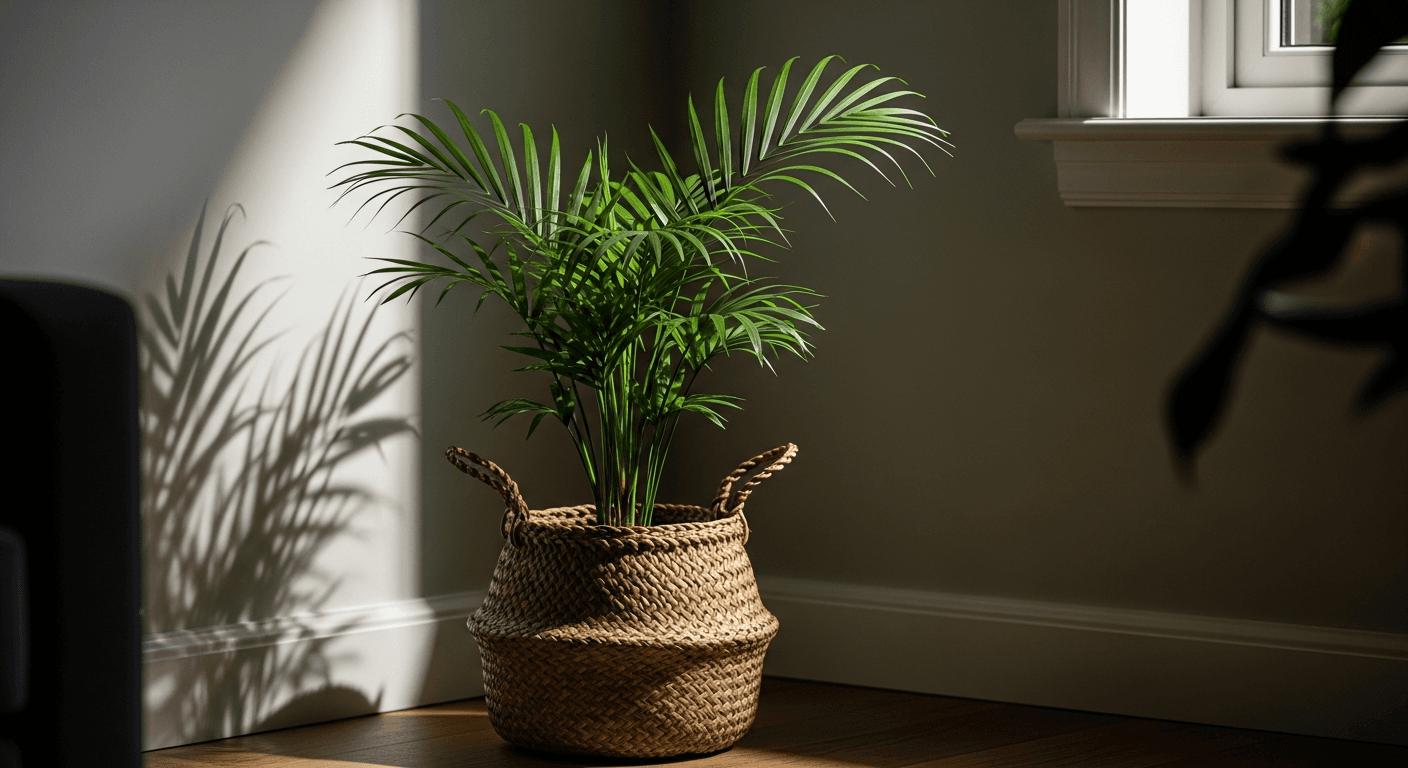
Parlor Palm (Chamaedorea): Care and Why It's Ideal
Parlor palm (Chamaedorea) care: tolerates low light, watering, humidity, why the fronds brown at the tips, and why it's safe for pets. Full guide.
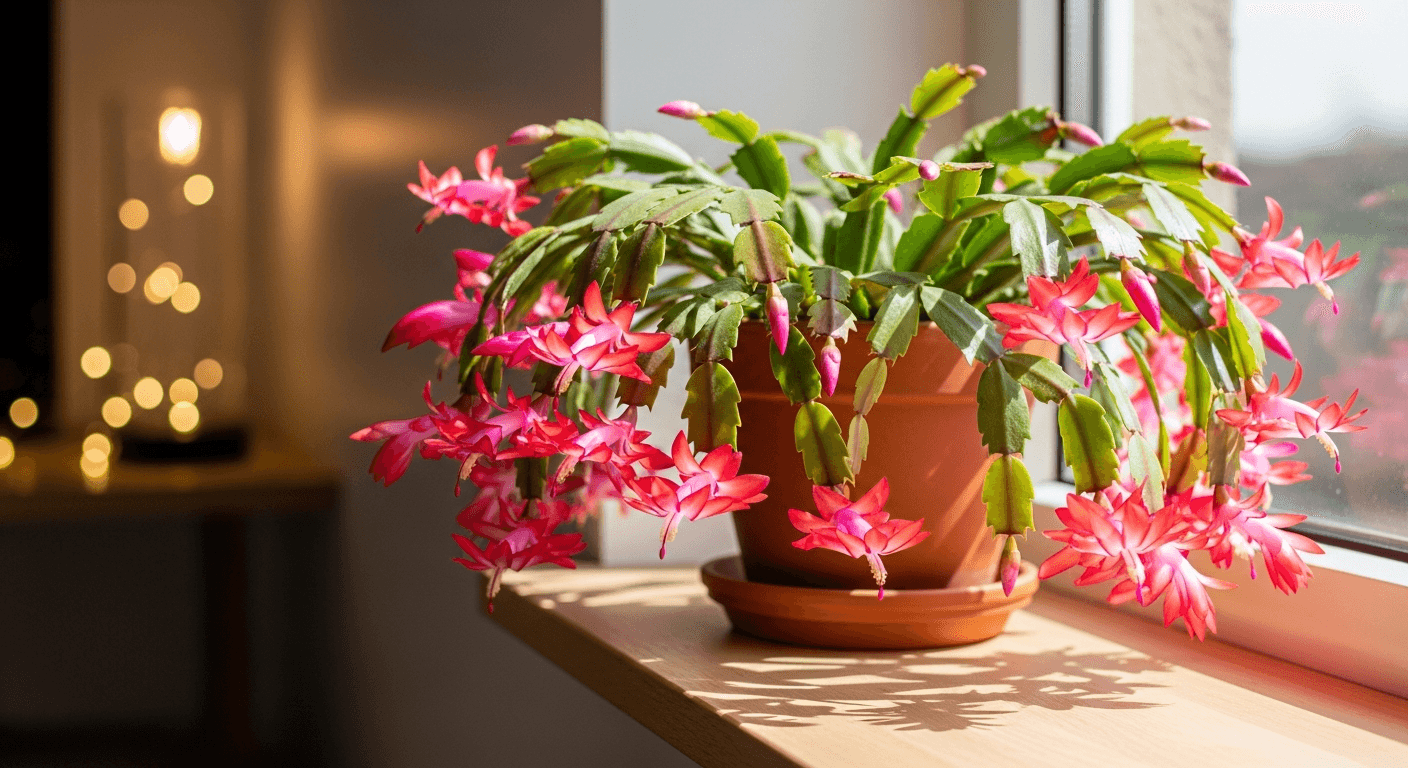
Christmas Cactus: Care and How to Make It Bloom
Christmas cactus (Schlumbergera) care guide: it's a jungle cactus, not a desert one. Light, watering, soil and the cool-and-dark trick to make it flower.
Trouble with your plant?
AI diagnosis