Jade Plant: The Succulent That Lives for Decades
How to care for the jade plant (Crassula ovata): lots of light, soak-and-dry watering, succulent soil, easy leaf and stem propagation, and toxicity to pets.
In this article
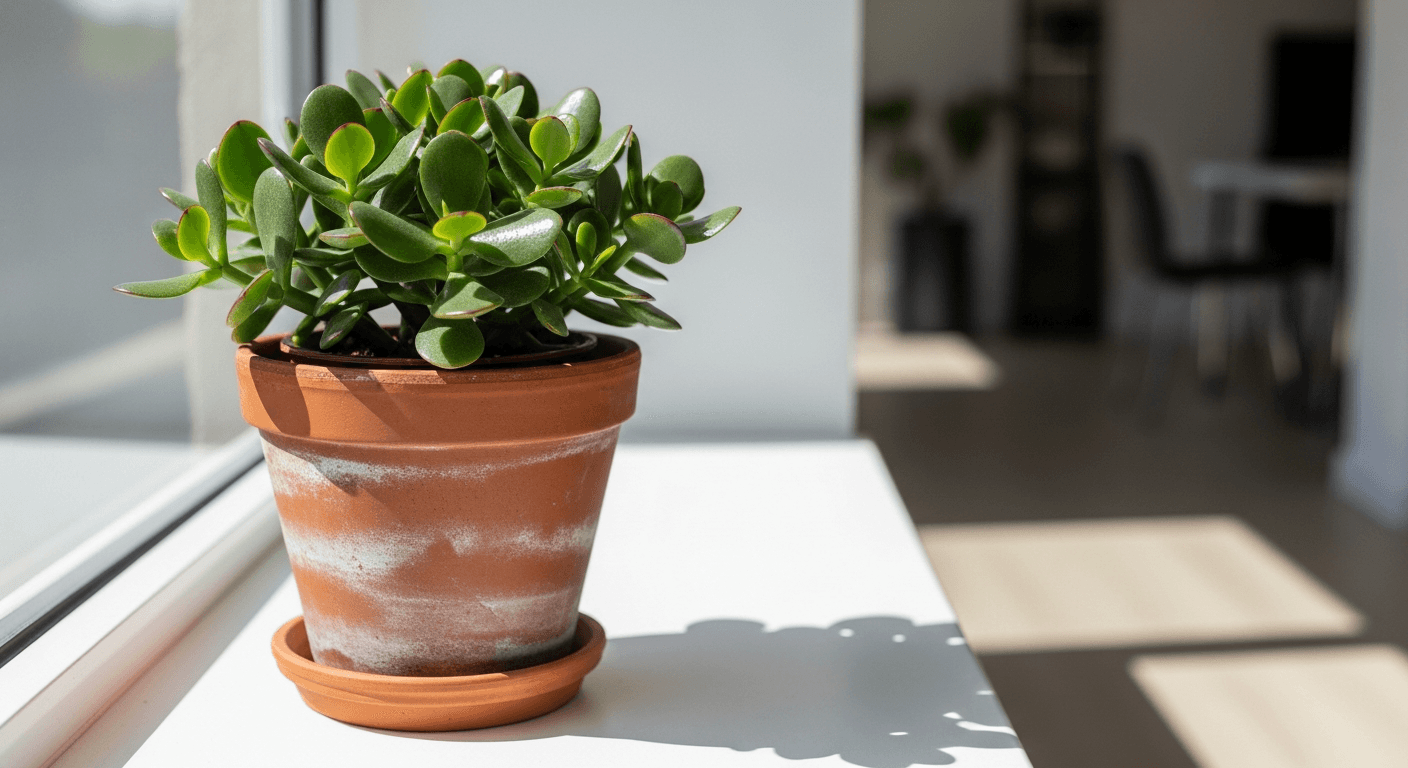
The jade plant (Crassula ovata) is a shrubby succulent with fleshy, rounded, glossy leaves and a trunk that turns woody over the years. It's long-lived, nearly indestructible and very easy to propagate — in many homes it's passed down through generations. If you want a tough plant that forgives a bit of neglect and thrives in the sun, it's one of my favorites for a bright windowsill.
A succulent with the look of a tree
Native to South Africa, it stores water in its leaves and trunk. Over time, with good light, it develops a thick branching trunk that resembles a natural bonsai, which is why it's so popular for shaping. Like any succulent, its care philosophy is the same as succulents and cacti: lots of light, little water, fast-draining soil.
Is your plant looking off and you are not sure why?
Free AI diagnosisBasic care, point by point
Light
| Light level | Result |
|---|---|
| Lots of light / gentle direct sun | Compact, reddish edges, healthy ✅ |
| Bright indirect | Grows, a bit more stretched |
| Low light | Weak, long stems, spaced-out leaves |
The sign of good light is leaf edges tinged with red: it's perfectly healthy, not a burn. In low light it stretches and loses its compact shape. It's one of the succulents that most appreciates a south-facing window (see the light guide).
Watering: soak and dry
Use the soak-and-dry method: water thoroughly, let it drain, and don't water again until the soil is completely dry.
- In spring and summer, that's usually about every 2 weeks.
- In winter, once a month or less.
- Always water the soil, not the leaves.
Golden rule: the jade plant dies far more often from too much water than from thirst. When in doubt, wait. The method is in the watering guide.
Soil and pot
Use a cactus and succulent mix, or regular potting soil blended with perlite and coarse sand (more in the right potting soil). Choose a pot with drainage; terracotta is ideal because it dries faster and adds stability to a plant that gets top-heavy.
Popular varieties
- Classic ovata: rounded green leaves with red edges in sun.
- 'Gollum' / 'Hobbit': tubular leaves with suction-cup tips, fascinating.
- 'Hummel's Sunset': golden and red leaves in good light.
- 'Minor' / Crosby: compact, with smaller leaves.
Propagation: make plants to give away
It's one of the simplest plants to multiply:
- From a leaf: pull off a whole healthy leaf, let it dry for 1-2 days, then lay it on barely-moist soil.
- From a cutting: snip a 2-4 inch (5-10 cm) branch, let the cut callus over for 2-3 days, then plant it.
In both cases, water very sparingly until you see new roots or shoots. It's a perfect project to start out with succulent propagation.
Feeding and repotting
It grows slowly and doesn't need much feeding. In spring and summer, apply a cactus and succulent fertilizer diluted every 4-6 weeks. In autumn and winter, stop feeding.
Don't rush to repot it: it tolerates being a little root-bound well, and that helps keep it compact. Move it every 2-3 years, in spring, into a pot only slightly larger. Check the root ball and trim any soft or dark roots before replanting. After repotting, wait a week before the first watering so the roots can callus over.
How to shape it (and whether it flowers)
Pinch the new shoots to encourage branching and a compact, bonsai-like crown. Rotate the pot every few weeks so it grows straight. And yes, it flowers: mature specimens with lots of light and a cool, dry winter can push out clusters of small white or pink flowers in late winter.
Quick care table
| Care | Jade plant |
|---|---|
| Light | Lots; gentle direct sun |
| Water | Only when soil is bone dry |
| Soil | Cactus/very free-draining |
| Difficulty | Very easy |
| Pets | Mildly toxic |
Common problems
| Symptom | Likely cause | Fix |
|---|---|---|
| Soft, wrinkled leaves dropping | Overwatering/rot | Unpot, check roots; water less |
| Wrinkled leaves, firm trunk | Thirst (rare) | A good drink revives it |
| Black spots on the trunk | Advanced rot | Cut above it and re-root healthy part |
| Long, floppy stems | Too little light | More sun |
| Drops leaves when moved | Change or stress | Stabilize light and watering |
Is it toxic?
Yes, it's mildly toxic to dogs and cats if chewed (possibly causing vomiting or lethargy). Keep it out of reach; if you have pets, see pet-friendly options.
Lots of light, well-draining soil and sparing water: with that formula a jade plant lives for decades and even gets handed down. Yours looking off? Try the AI diagnosis tool.
Related articles
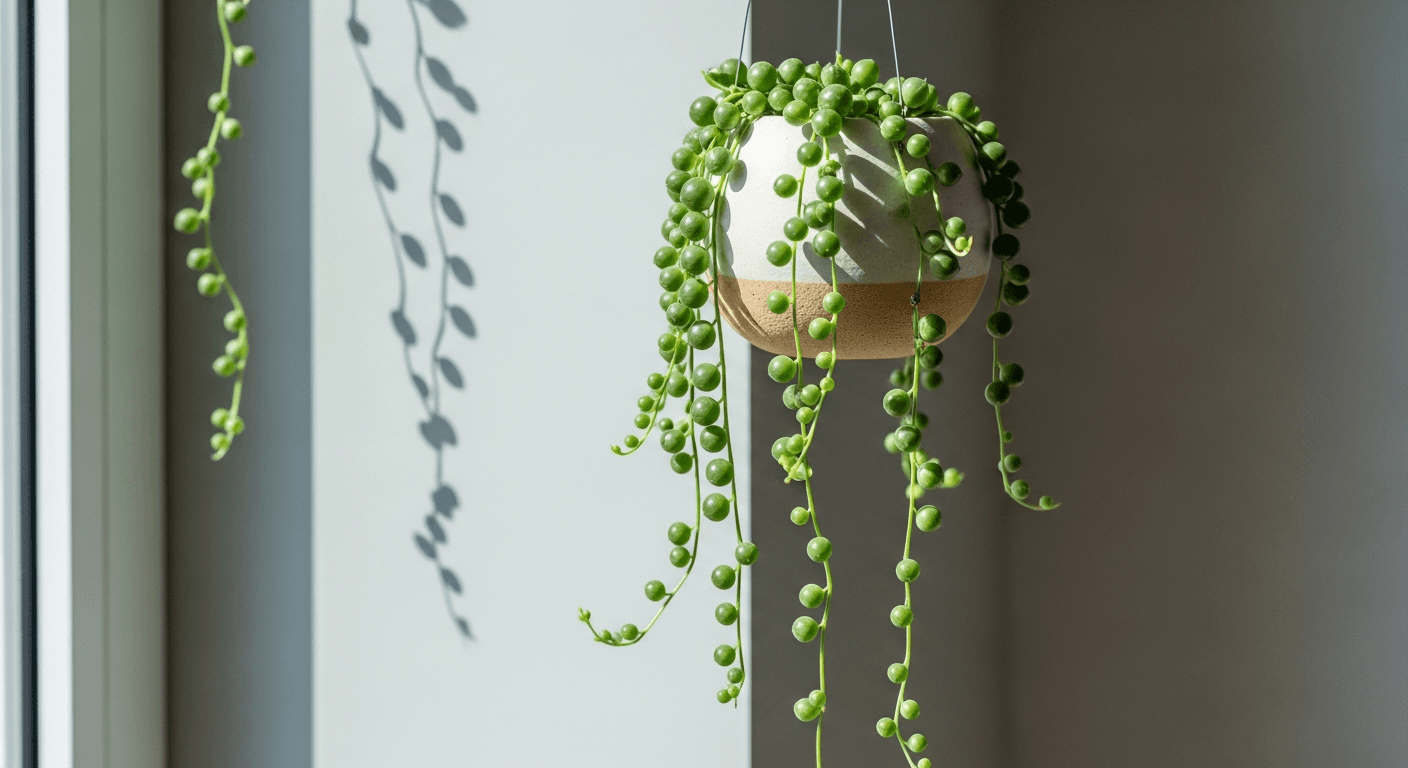
String of Pearls (Senecio): Care Guide
How to care for string of pearls (Senecio rowleyanus): bright light, careful watering so it doesn't rot, well-draining soil, easy propagation and toxicity.
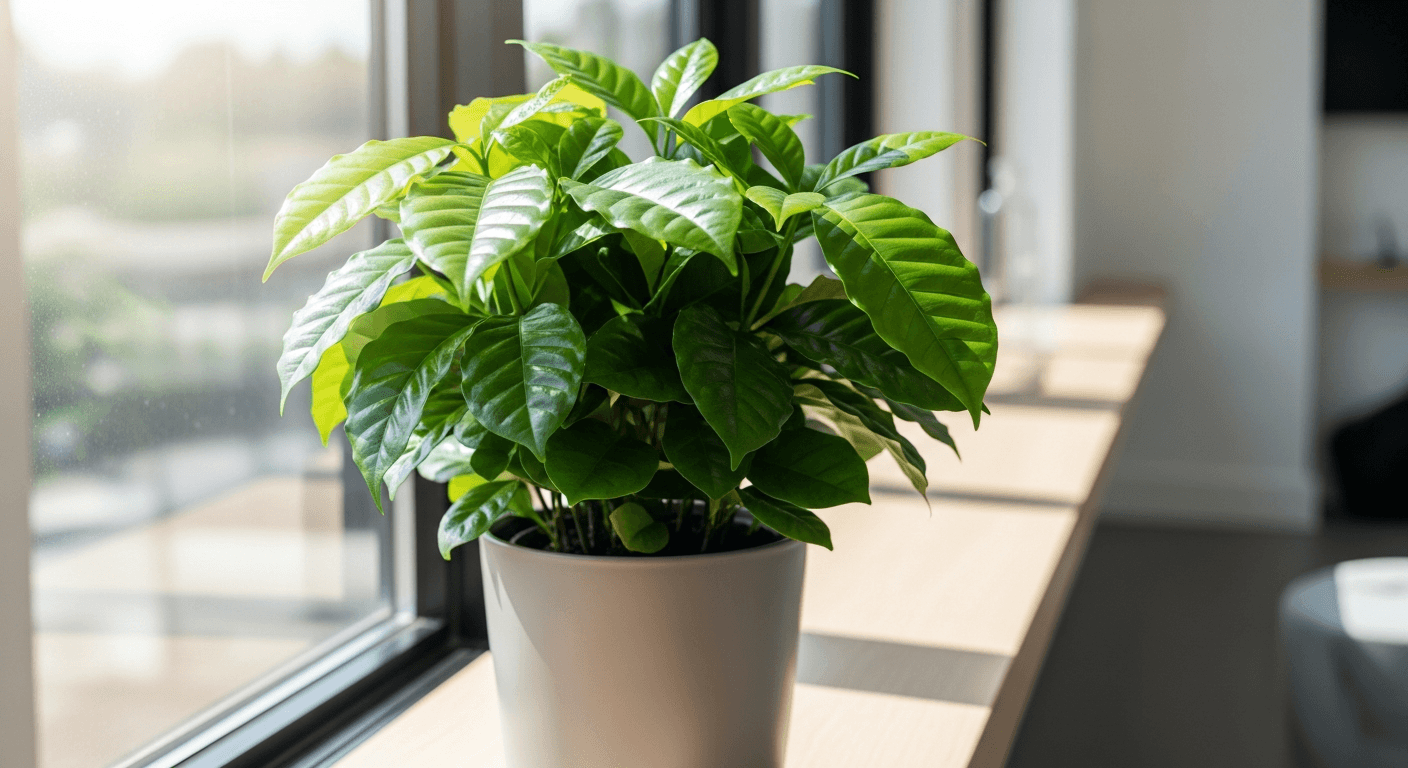
Coffee Plant Care: Growing Coffea at Home
Coffee plant (Coffea arabica) care as a houseplant: bright indirect light, humidity, watering, and whether you can really harvest your own coffee beans.
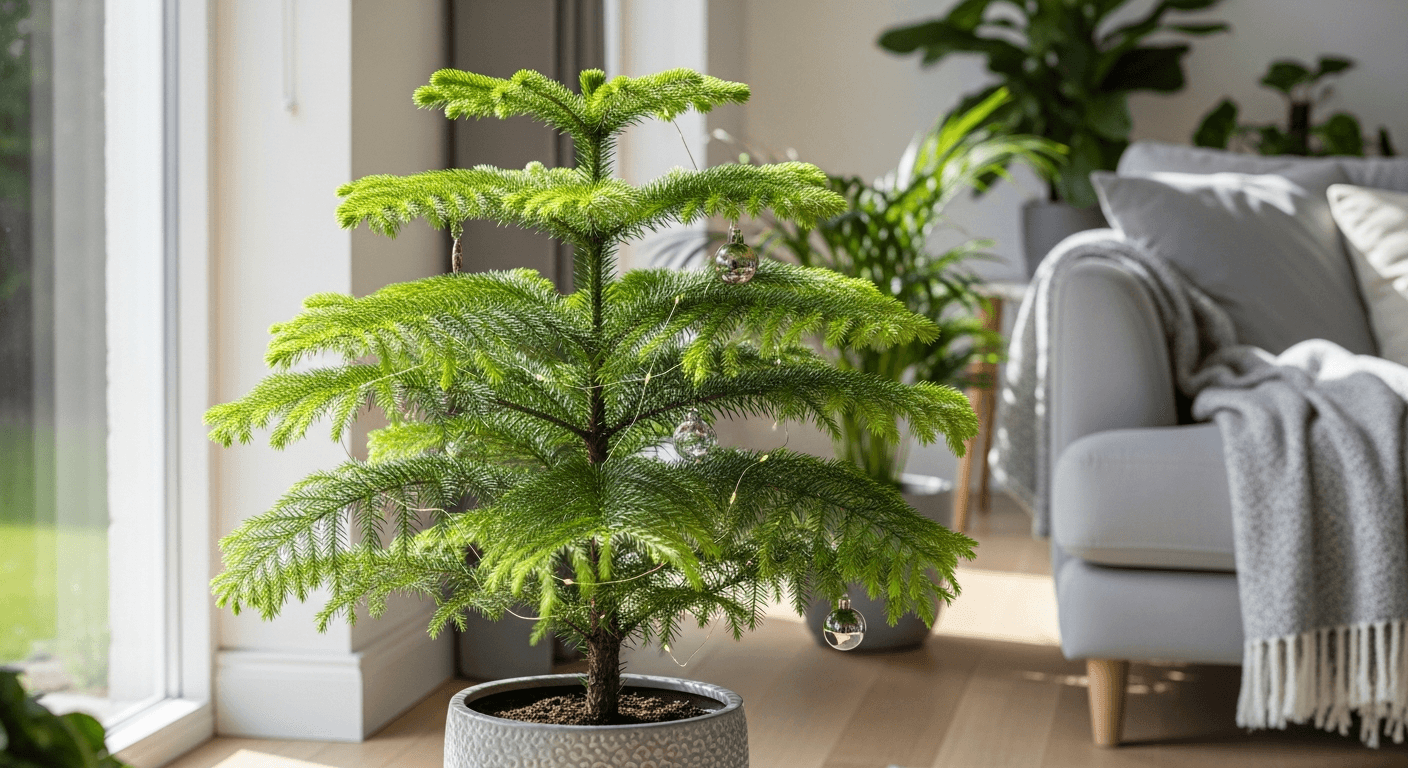
Norfolk Island Pine Care: The Living Christmas Tree
Norfolk Island pine (Araucaria heterophylla) care: light, watering, humidity and why its branches turn brown and drop. The living indoor Christmas tree guide.
Trouble with your plant?
AI diagnosis