Geranium: Sun, Careful Watering and a Prune to Keep It Full
Geranium (pelargonium) care in pots: full sun, watering, deadheading for more flowers and how to overwinter them. The classic balcony plant, full guide.
In this article
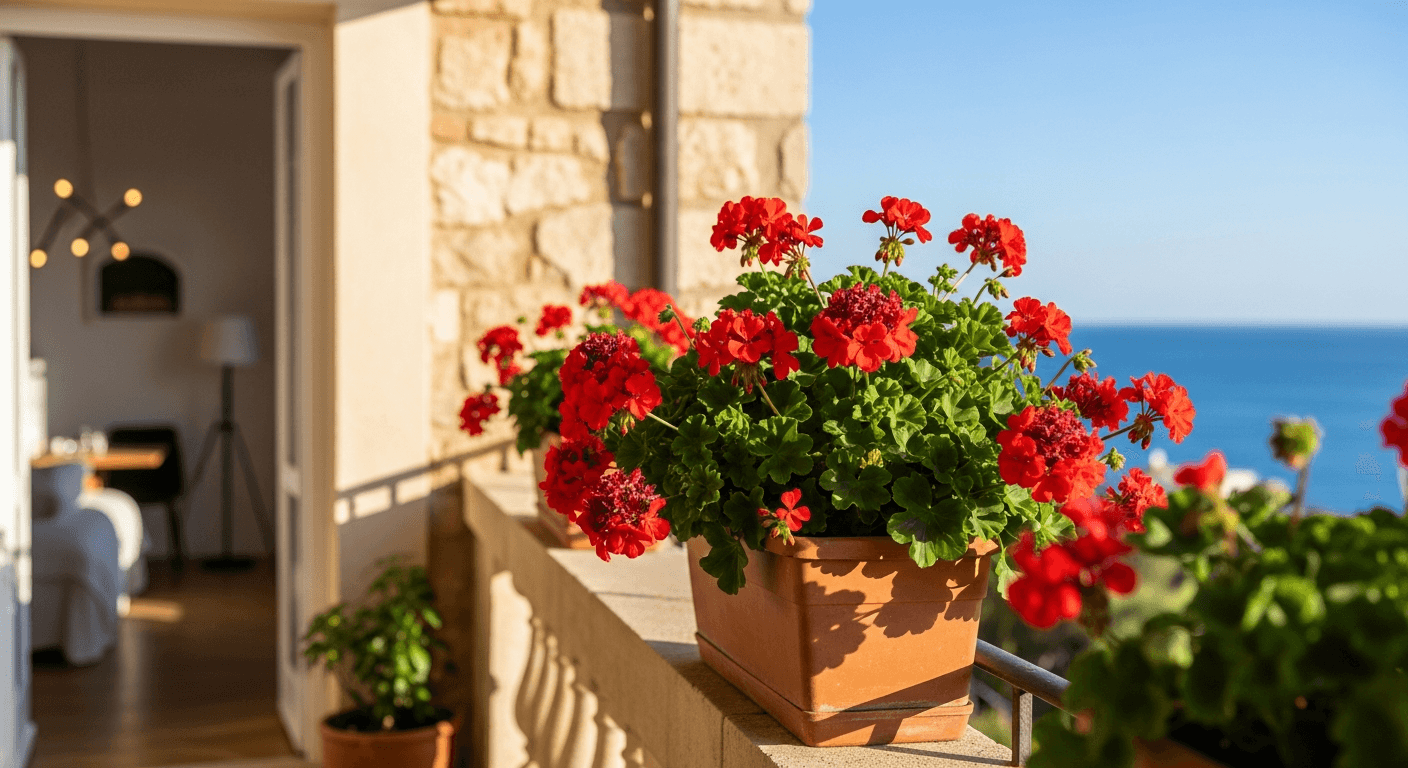
The geranium is the quintessential Mediterranean balcony flower: forgiving, tough and able to bloom non-stop from spring to autumn. Although we call it a geranium, the potted plant we all know is actually a Pelargonium. With very simple care you'll get cascades of flowers for months. Here's the guide to make it happen.
Types of geranium
- Zonal geranium: the upright classic, with rounded leaves marked by a darker ring and big clusters of flowers.
- Ivy geranium: trailing stems, perfect for window boxes and railings.
- Scented and fancy-leaf geraniums: more decorative or aromatic varieties, with leaves perfumed like lemon, rose or mint.
Is your plant looking off and you are not sure why?
Free AI diagnosisBasic care, point by point
Light
Geraniums need lots of sun to bloom well.
- Ideal: direct sun, at least 5-6 hours a day, in a south- or east-facing spot.
- Tolerates: some afternoon shade in very hot climates.
- Avoid: shady corners, where it stretches and stops flowering.
Less light means more leaf and fewer flowers — that's the basic rule of this plant.
Watering
Geraniums prefer to stay a little dry rather than soggy. Water when the top inch or two of soil is dry.
- Summer: often every 1-2 days in small pots and high heat.
- Winter: very little, letting the soil dry well between waterings.
Always water at the base, keeping the flowers and leaves dry, to prevent fungal problems. Terracotta pots help the soil breathe and avoid waterlogging.
Soil and feeding
Use a good-quality all-purpose potting mix with a handful of perlite to improve drainage. As prolific bloomers, they love feeding: apply a potassium-rich fertilizer (a geranium or tomato feed) every 1-2 weeks throughout the flowering season.
The secret to endless blooms
The key to non-stop flowering is deadheading — removing spent flowers. Pinch or cut off the whole flower stalk once the cluster fades: that way the plant pours its energy into new blooms instead of seeds. A light prune of leggy stems in early spring also keeps it compact and full of new shoots.
Propagation: free cuttings
Geraniums propagate astonishingly easily, and it's the classic way to "keep" your plants from one year to the next without spending a thing:
- Cut a healthy 3-4 inch (8-10 cm) tip just below a node, and remove the lower leaves and buds.
- Let the cut dry for a few hours. Unlike most plants, geraniums appreciate letting the cut callus so it doesn't rot.
- Plant it in lightly moist soil; it roots better in soil than in water.
- In 3-4 weeks it will have rooted. From a single mother plant you get many new ones. More tips in how to propagate plants.
How to overwinter
Geraniums don't survive frost. In cold climates you have two options:
- Bring it indoors: place it by your brightest window, water sparingly and don't feed until spring.
- Store the stems: cut the plant back, shake off most of the soil and keep it somewhere cool and dry; in spring, repot and it will resprout.
Quick care table
| Care | Geranium (Pelargonium) |
|---|---|
| Light | Direct sun, 5-6 h/day |
| Water | When dry; always at the base |
| Feed | Potassium-rich, every 1-2 weeks |
| Difficulty | Easy |
| Pets | Mildly toxic |
Common problems
- Yellow lower leaves: usually overwatering; space out your watering.
- Leaves with rings or brown spots: possible rust, powdery mildew or too much moisture on the foliage; improve airflow and water at the base.
- Lots of leaves, few flowers: not enough sun or too much nitrogen feed.
- A cloud of white flies: whitefly, common on balconies; use yellow traps and check the undersides.
- Caterpillars or aphids: check the tender new shoots. If in doubt, upload a photo to our AI diagnosis tool to identify the problem.
Is it toxic?
The geranium (Pelargonium) is considered mildly toxic to dogs and cats if chewed, causing digestive upset. Keep it out of their reach.
If you're after more plants that handle balcony sun, take a look at our summer plant care guide and the winter plant care to keep it going. With plenty of sun, careful watering and regular deadheading, your geranium will reward you with color from spring to autumn.
Related articles
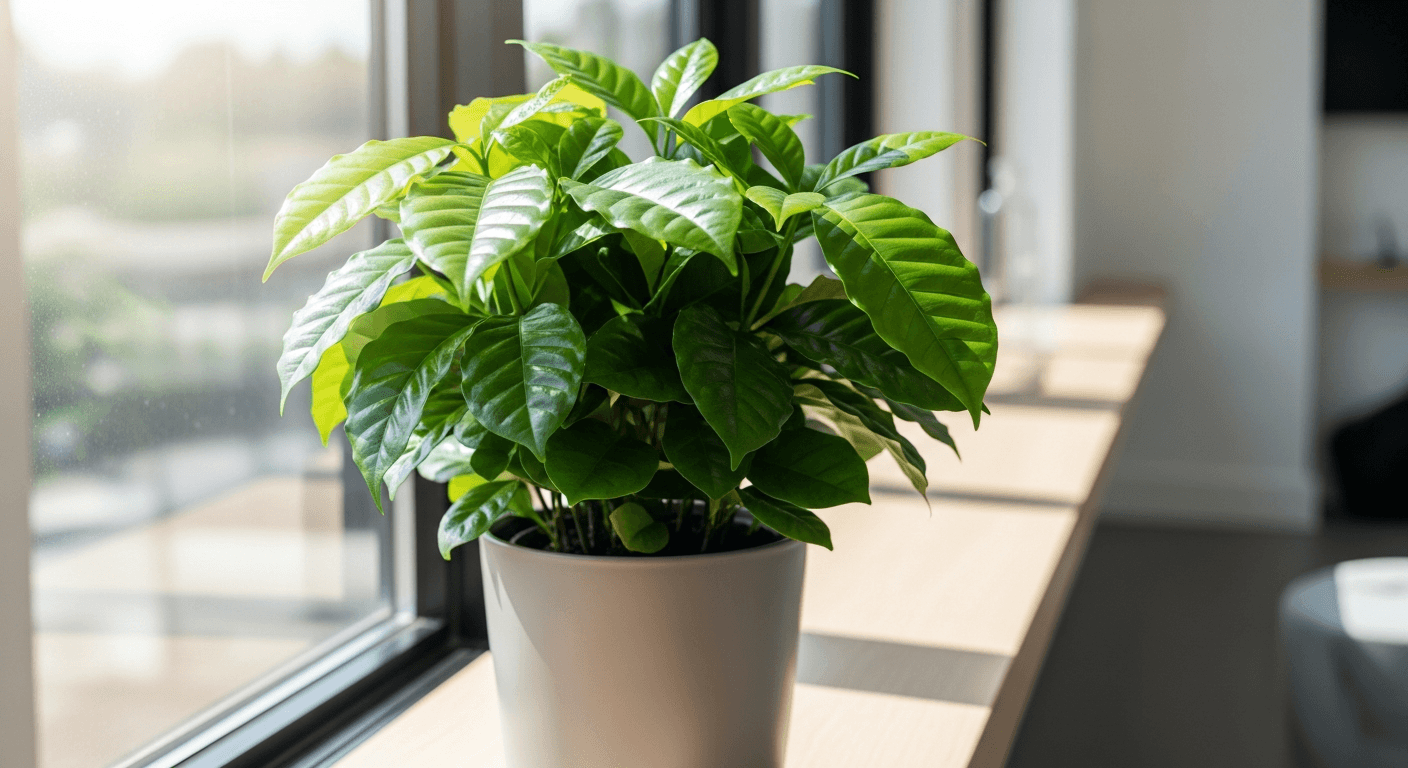
Coffee Plant Care: Growing Coffea at Home
Coffee plant (Coffea arabica) care as a houseplant: bright indirect light, humidity, watering, and whether you can really harvest your own coffee beans.
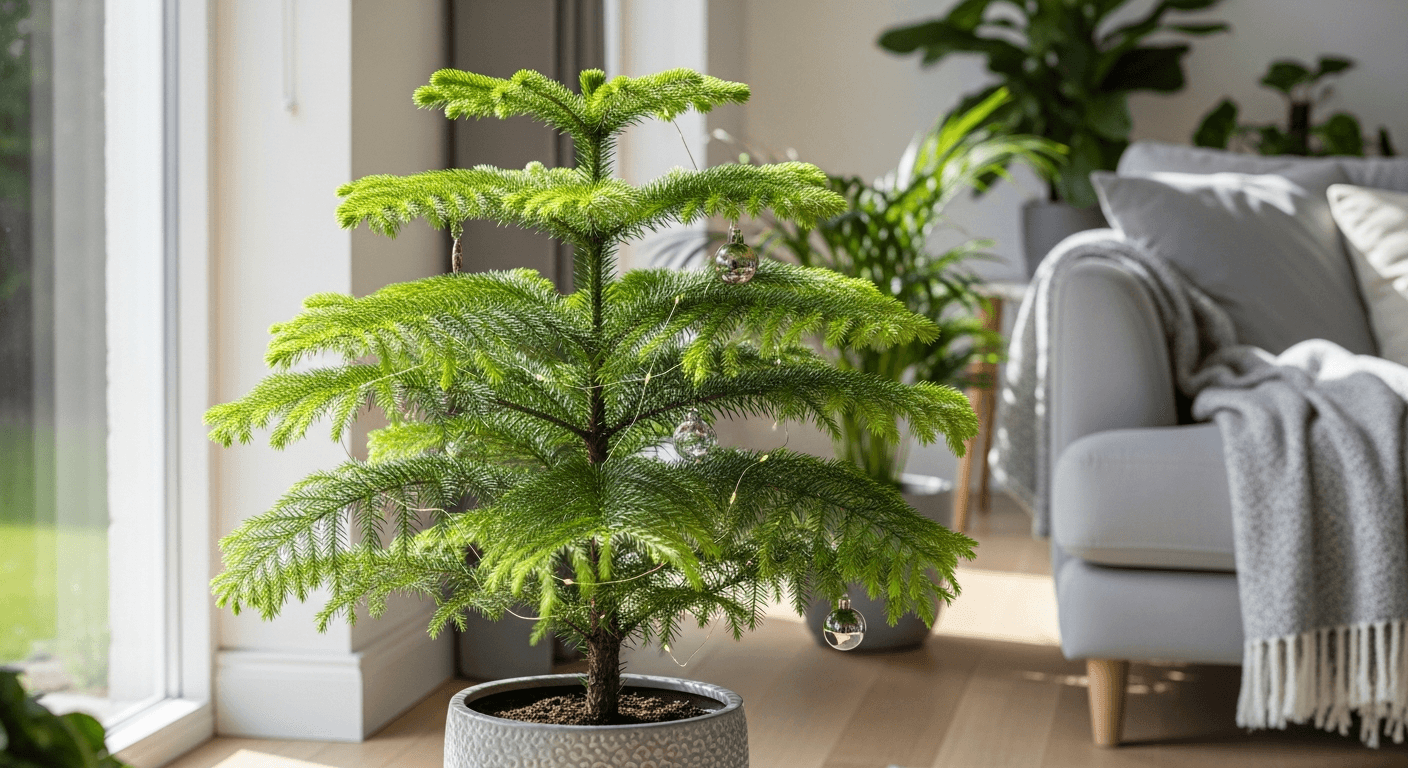
Norfolk Island Pine Care: The Living Christmas Tree
Norfolk Island pine (Araucaria heterophylla) care: light, watering, humidity and why its branches turn brown and drop. The living indoor Christmas tree guide.
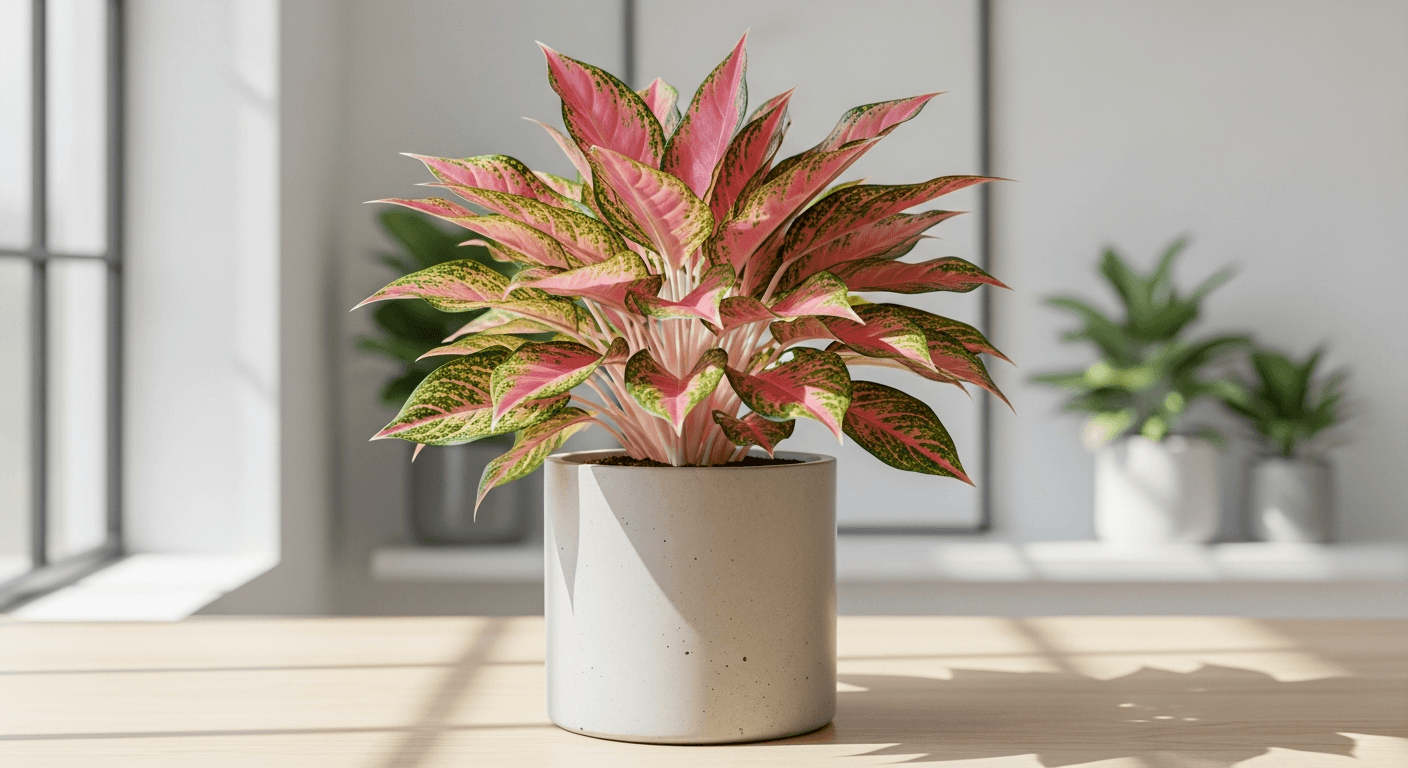
Aglaonema (Chinese Evergreen): The Complete Care Guide
Care guide for the Aglaonema or Chinese evergreen: light for the pink varieties, watering, humidity, propagation by division and its toxicity to pets.
Trouble with your plant?
AI diagnosis