Fittonia: It Faints Without Water and Revives in an Hour
Fittonia or nerve plant care: high humidity, indirect light, keeping it moist, and why it dramatically wilts and revives. Pet-safe. Complete guide.
In this article
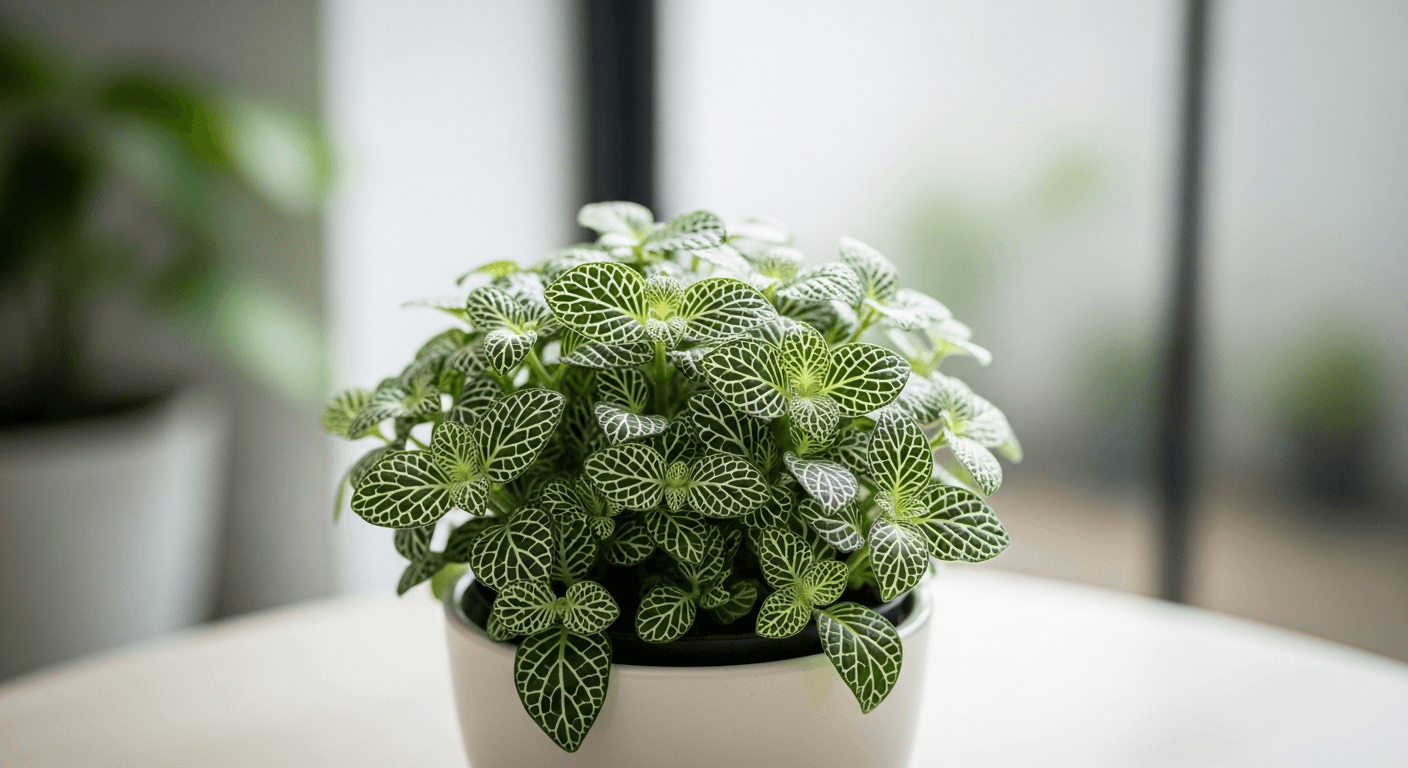
The fittonia (Fittonia albivenis), known as the nerve plant for the striking veins running through its leaves, is a little indoor gem. Its oval leaves, traced with white, pink or red veins, form a compact, colorful mound that's perfect for tables, shelves and, above all, terrariums. It isn't the easiest plant in the world, but understanding one single thing — humidity — changes everything.
A plant for humidity lovers
The fittonia comes from the floor of South American tropical jungles, where it lives among damp leaf litter in the shade of tall trees. That explains its two big demands: high ambient humidity and soft light. In return, it's compact (rarely over 6 inches tall), spreads sideways and is pet-safe.
Is your plant looking off and you are not sure why?
Free AI diagnosisBasic care, point by point
Light
- Ideal: medium indirect light, like a north-facing window or some distance from a brighter one.
- Tolerates: artificial light, which makes it great for desks.
- Avoid: direct sun, which bleaches and scorches its delicate leaves.
If the colors fade and the plant stretches, it needs a bit more light (always indirect).
Watering: neither dry nor soggy
The fittonia wants the soil consistently moist, but not waterlogged. It's very sensitive to drying out:
- Water as soon as the top layer starts to feel dry.
- Use room-temperature water, low in calcium if possible.
- Avoid standing water in the saucer, which rots the roots.
The famous "faint": if you let it dry out, the fittonia wilts all at once, as if it were dead. Don't panic; water it and within a few hours it usually revives completely. Even so, repeating that stress weakens it, so try not to let it get to that point.
Humidity: the key to everything
This is the part that makes the difference. The fittonia needs high ambient humidity, ideally above 60%. In dry household air, its leaves turn crispy and brown at the edges. To keep it happy:
- Group it with other plants to create a humid microclimate.
- Set it on a tray of clay pebbles and water (without the pot touching the water).
- Run a humidifier nearby, or grow it inside a terrarium, its ideal habitat.
If you want to dig deeper, our humidity for plants guide explains every trick in detail.
Soil and temperature
Use a light mix that holds some moisture but drains well: all-purpose soil with coco coir and a little perlite. Keep it between 65 and 79 °F and away from cold drafts, which it really dislikes.
Pinching and feeding
To keep the fittonia full and bushy rather than straggly, pinch off the growing tips now and then; the plant branches out below the cut and stays compact. If it flowers, the spikes are insignificant — many growers pinch them out so the plant puts its energy into foliage. Feed lightly with a balanced liquid fertilizer diluted to half strength every few weeks in spring and summer, and not at all in winter.
Popular varieties
They're all cared for the same way; the vein color changes:
- White-veined (Argyroneura): the classic, silvery veins over green.
- Red or pink-veined (Pearcei, 'Red Star'): very vivid red or pink veining.
- 'Mosaic' / 'Skeleton': fine, very dense patterns.
- Dwarf varieties ('Mini'): ideal for small terrariums.
The fittonia in a terrarium: its ideal habitat
If keeping the humidity up is a struggle, the definitive solution is a closed terrarium: inside, humidity stays high naturally and the fittonia thrives almost effortlessly, forming colorful carpets alongside moss and other understory plants. It's actually one of the best plants to start out with in this hobby (see how to make a terrarium). It shares that love of humidity with the calathea and the maranta.
Quick care table
| Care | Fittonia |
|---|---|
| Light | Medium indirect; no direct sun |
| Water | Soil always slightly moist |
| Humidity | High (60%+) |
| Difficulty | Medium |
| Pets | Non-toxic ✅ |
Common problems
- Wilted, collapsed leaves: lack of water. Water it and watch it revive.
- Brown, crispy edges: air too dry. Raise the humidity.
- Yellow, soft leaves: overwatering or standing water.
- Faded colors and long stems: not enough light.
If you can't pin down what's wrong, try the AI diagnosis tool to narrow down the cause before you act.
Propagation
The fittonia multiplies easily. Cut a stem with a couple of nodes, strip the lower leaves and put it in water or damp soil. In 2-3 weeks you'll have roots and a new plant to give away or expand your collection.
With good humidity, soft light and attentive watering, the fittonia will reward you with a carpet of colorful leaves that brightens any small corner of the home. Yours looking off? Try the AI diagnosis tool.
Related articles
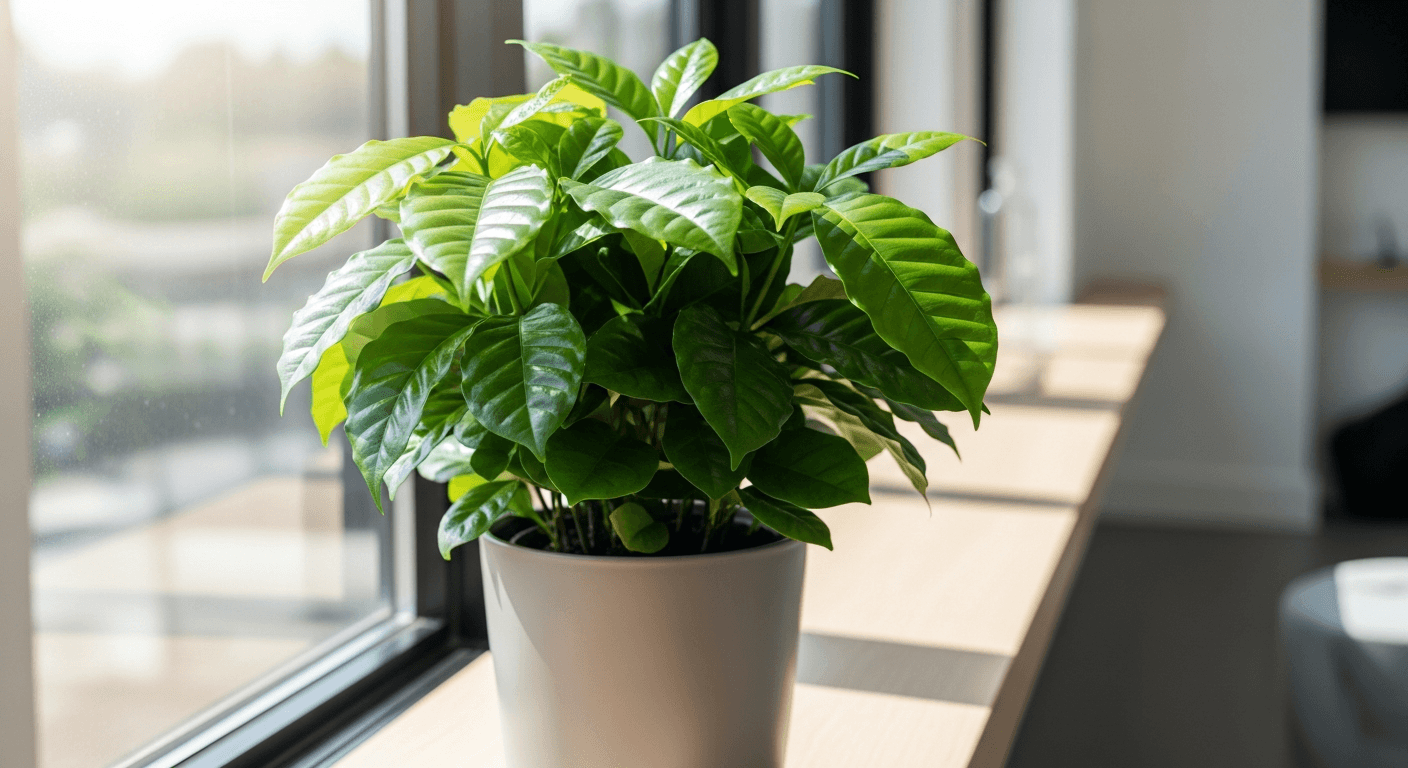
Coffee Plant Care: Growing Coffea at Home
Coffee plant (Coffea arabica) care as a houseplant: bright indirect light, humidity, watering, and whether you can really harvest your own coffee beans.
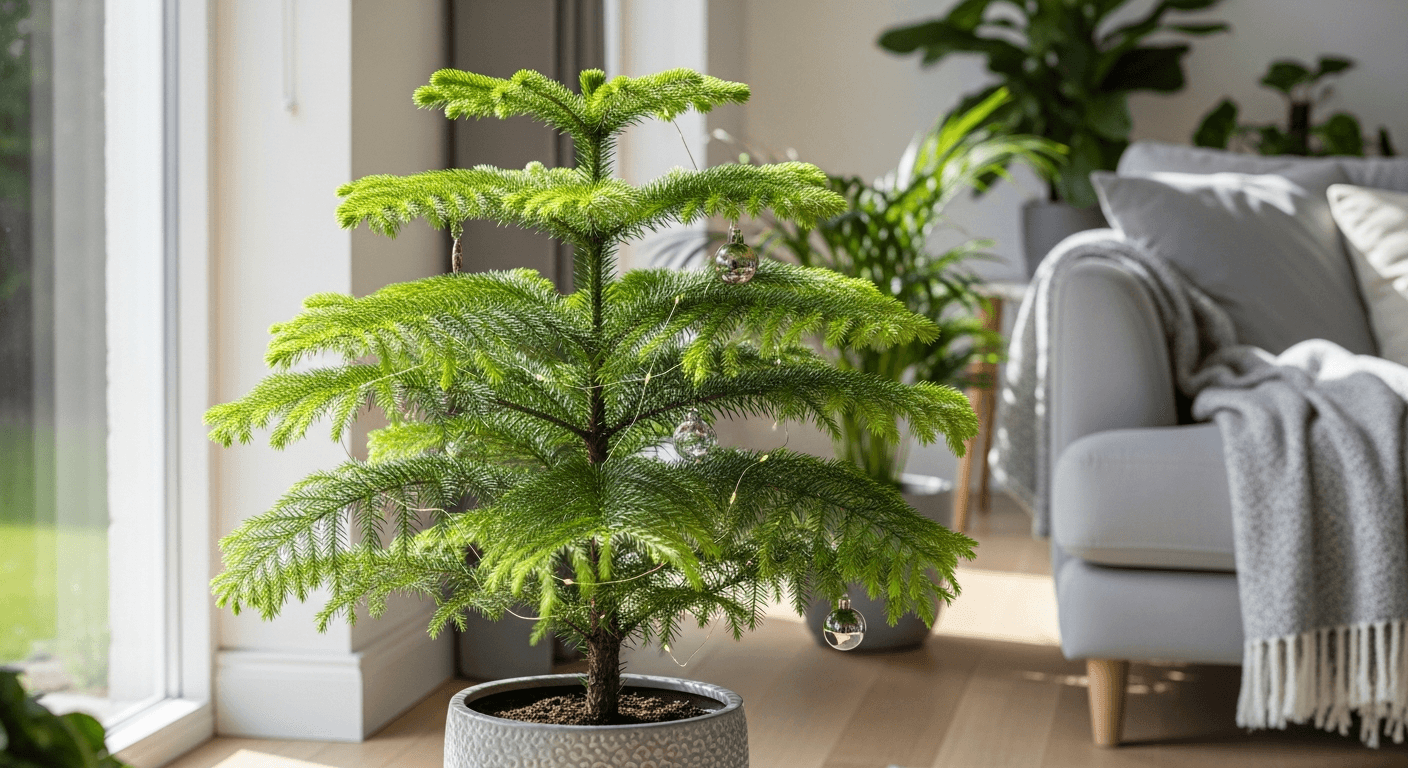
Norfolk Island Pine Care: The Living Christmas Tree
Norfolk Island pine (Araucaria heterophylla) care: light, watering, humidity and why its branches turn brown and drop. The living indoor Christmas tree guide.
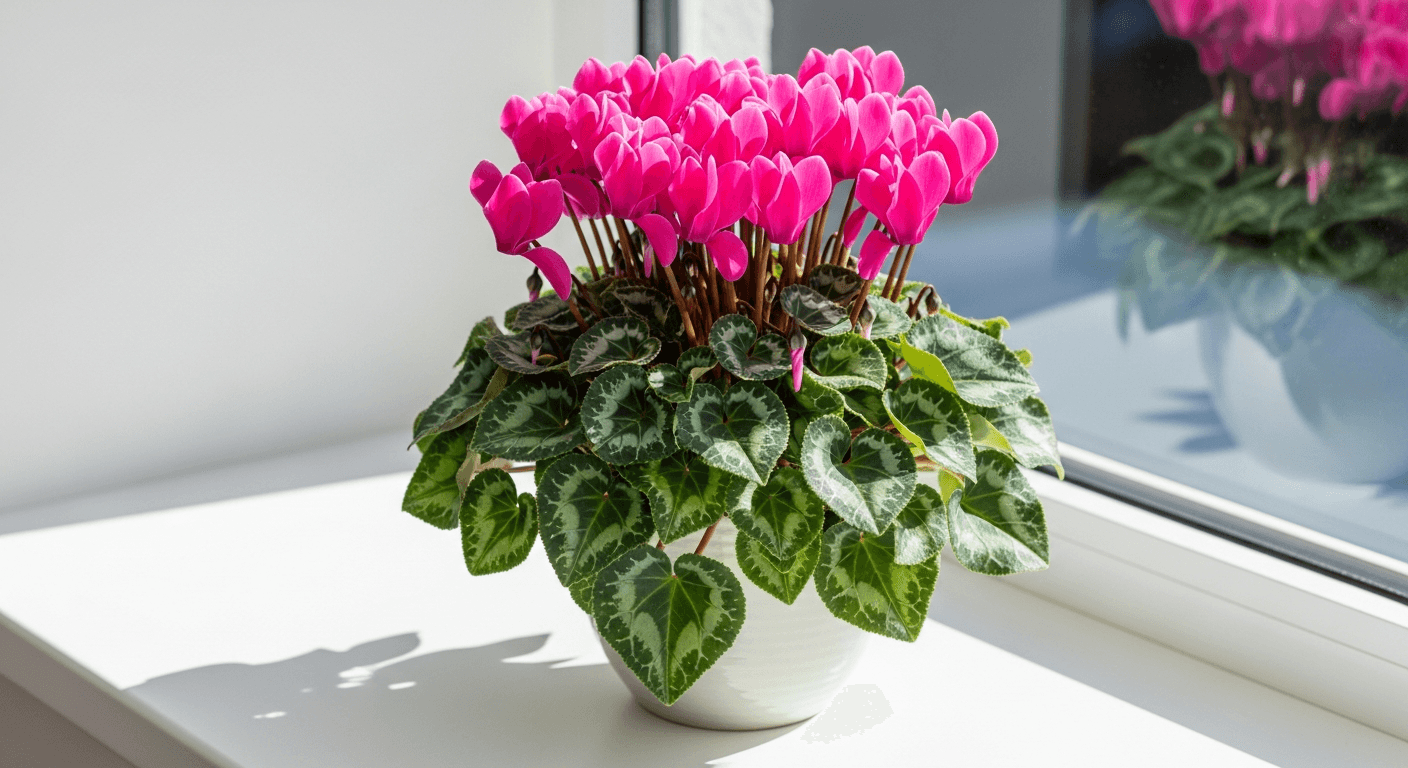
Cyclamen Care: Keep It Blooming All Winter
Cyclamen care so it blooms all winter: cool temperatures, light, watering from below to avoid crown rot, and how to handle its summer dormancy.
Trouble with your plant?
AI diagnosis