Indoor Yucca: Plenty of Light and Very Little Water
Indoor yucca care guide: lots of light, very little water, well-draining soil and troubleshooting (soft trunk = overwatering). A practical, no-nonsense guide.
In this article
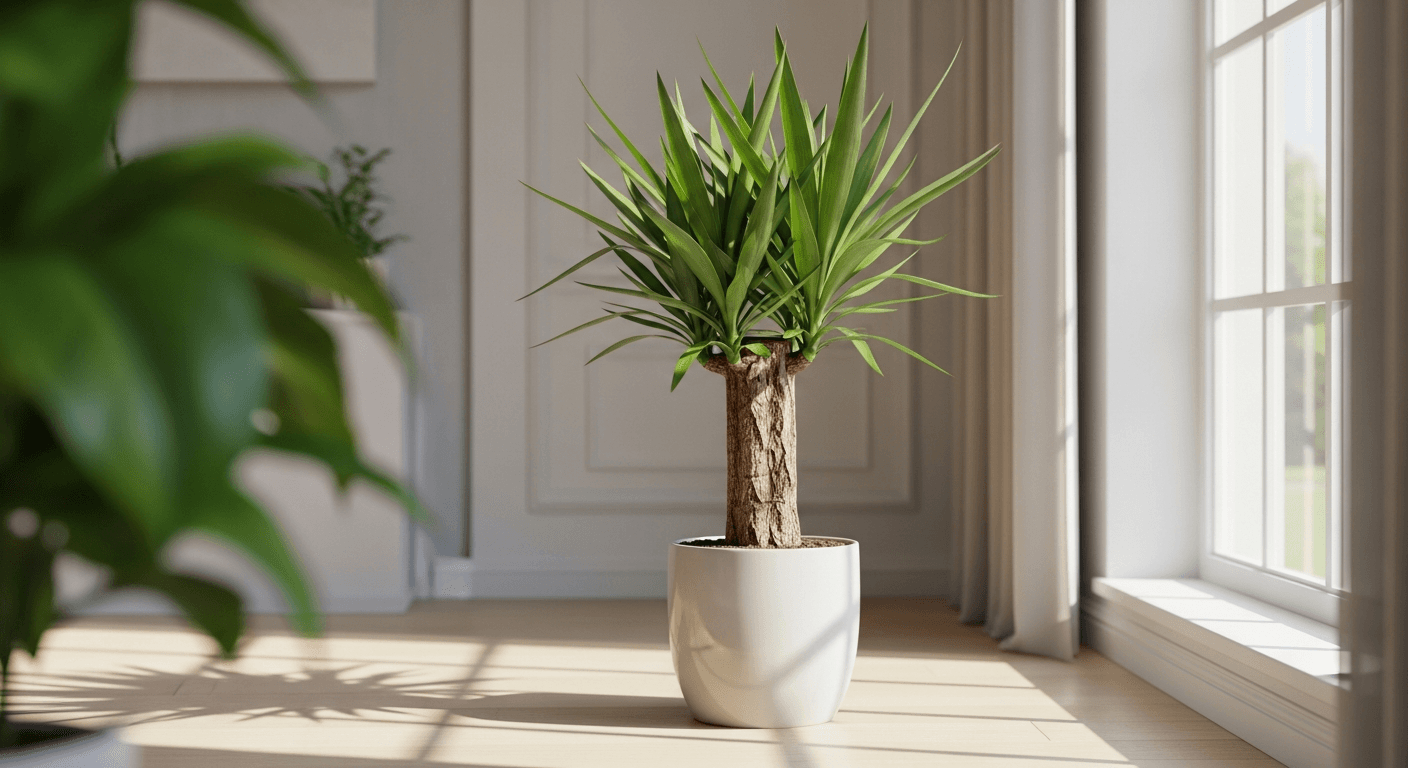
The indoor yucca (Yucca elephantipes) is one of the toughest plants you can keep at home. With its woody trunk topped by tufts of stiff, sword-shaped leaves, it brings an architectural, almost desert-like touch to any living room. If you tend to forget to water, this is your plant: it appreciates neglect far more than fussing.
A nearly indestructible plant
The yucca stores reserves in its thick trunk, which lets it ride out long dry spells without batting an eye. It's perfect for beginners, offices, or people who travel often. Its only weak point is water: most yuccas that die do so from overwatering, not from drought.
Is your plant looking off and you are not sure why?
Free AI diagnosisLight
The yucca wants light, and the more the better:
- Ideal: the brightest spot in your home, even with some direct morning sun.
- Tolerates: bright, indirect light.
- Avoid: dark corners, where it stretches, loses color and weakens.
If new leaves come out pale and the stems stretch toward the window, it needs more light.
Watering
This is the key to everything. Water only when the soil is completely dry, all the way down:
- Spring and summer: roughly every 10-15 days.
- Autumn and winter: once a month is plenty.
Let excess water drain fully and never leave the saucer full of water. It's better to underdo it than overdo it.
Golden rule: if you're not sure whether to water, don't. The yucca tolerates drought far better than soggy roots.
Soil and pot
Use a very well-draining mix: all-purpose soil with plenty of coarse sand or perlite, or a ready-made cactus and succulent mix. The pot must have drainage holes. A terracotta pot helps the soil dry out faster and lowers the risk of rot.
Repotting
The yucca grows slowly and likes to be a little snug in its pot. Repot only every 2-3 years, in spring, into a slightly larger, heavy container — large plants are top-light and can tip over.
Cleaning and summering outdoors
Wipe the broad leaves now and then with a damp cloth so dust doesn't block the light they need so badly. In warm months you can move the yucca outside to a sheltered, bright spot, but do it gradually: a plant used to indoor light will scorch if you drop it straight into full midday sun. Give it a week or two in partial shade first to harden off, and bring it back indoors before the first cold nights of autumn.
Feeding
The yucca is a light feeder. A balanced liquid fertilizer diluted to half strength once a month in spring and summer is plenty. Skip feeding entirely in autumn and winter, when growth slows right down.
Quick care table
| Care | Indoor yucca |
|---|---|
| Light | Lots; some direct sun |
| Water | Only when soil is bone dry; very little |
| Soil | Very free-draining (cactus/sand) |
| Difficulty | Very easy |
| Pets | Mildly toxic (sharp leaves) |
Together with the ponytail palm and the snake plant it forms the trio of houseplants that shrug off both neglect and direct sun. Its one serious failing is overwatering, which ends in root rot.
Common problems
Soft or spongy trunk
This is the most serious warning sign: it means rot from overwatering. If the trunk gives when you press it, the roots are probably damaged. Unpot the plant, cut away the rotten parts and replant in dry soil. Learn to spot and stop this problem in our root rot guide.
Brown tips and edges
Usually caused by very dry air, hard, calcium-rich water, or a burst of sun after being in shade. Trim the dry tips with clean scissors.
Yellow leaves
The lower leaves naturally yellow and drop over time. If many yellow at once, suspect overwatering.
If you can't pin down what's wrong, try the AI diagnosis tool to narrow down the cause before you act.
Is it toxic?
The indoor yucca is mildly toxic to dogs and cats if they chew the leaves, which also have sharp points. Place it somewhere pets and small children can't reach the foliage.
With plenty of light, widely spaced watering and free-draining soil, the yucca will be with you for years, asking for almost nothing in return.
Related articles
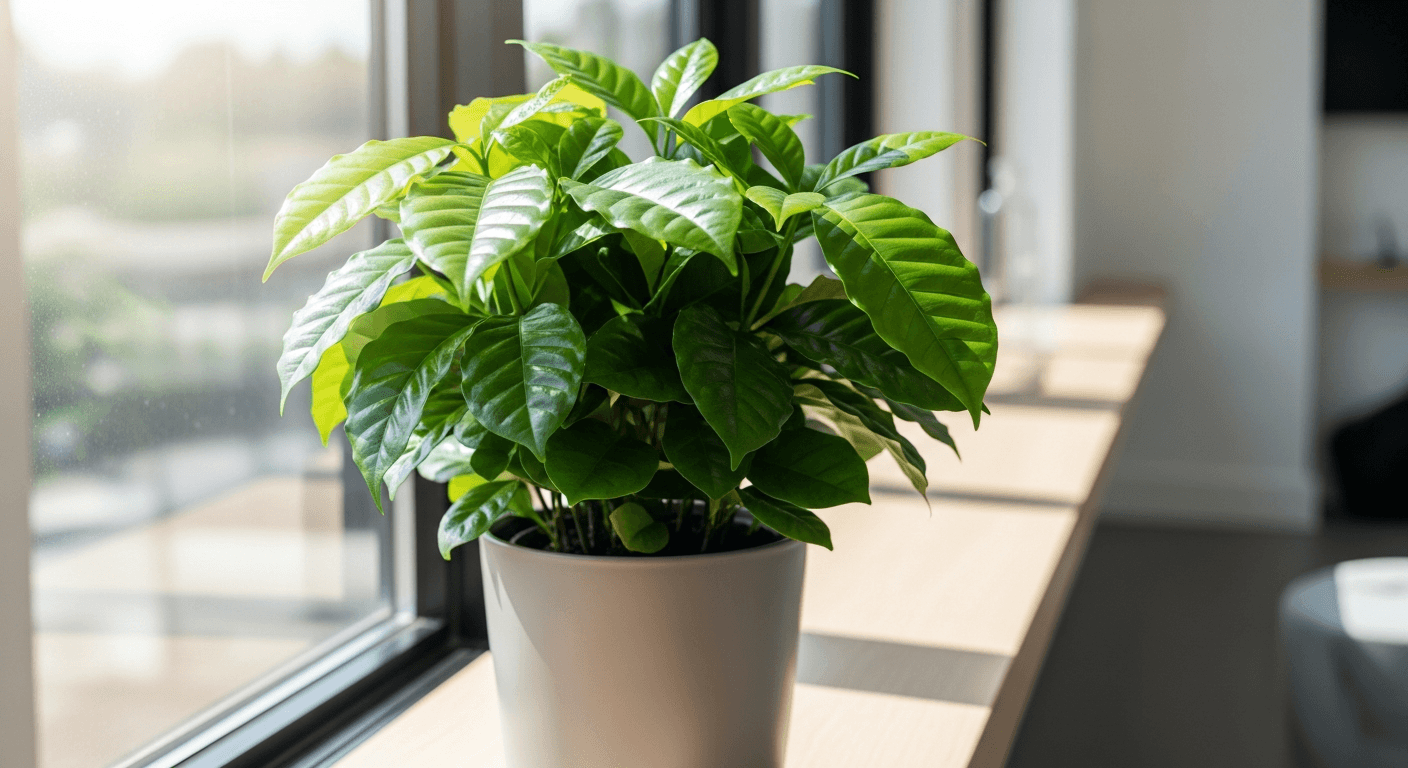
Coffee Plant Care: Growing Coffea at Home
Coffee plant (Coffea arabica) care as a houseplant: bright indirect light, humidity, watering, and whether you can really harvest your own coffee beans.
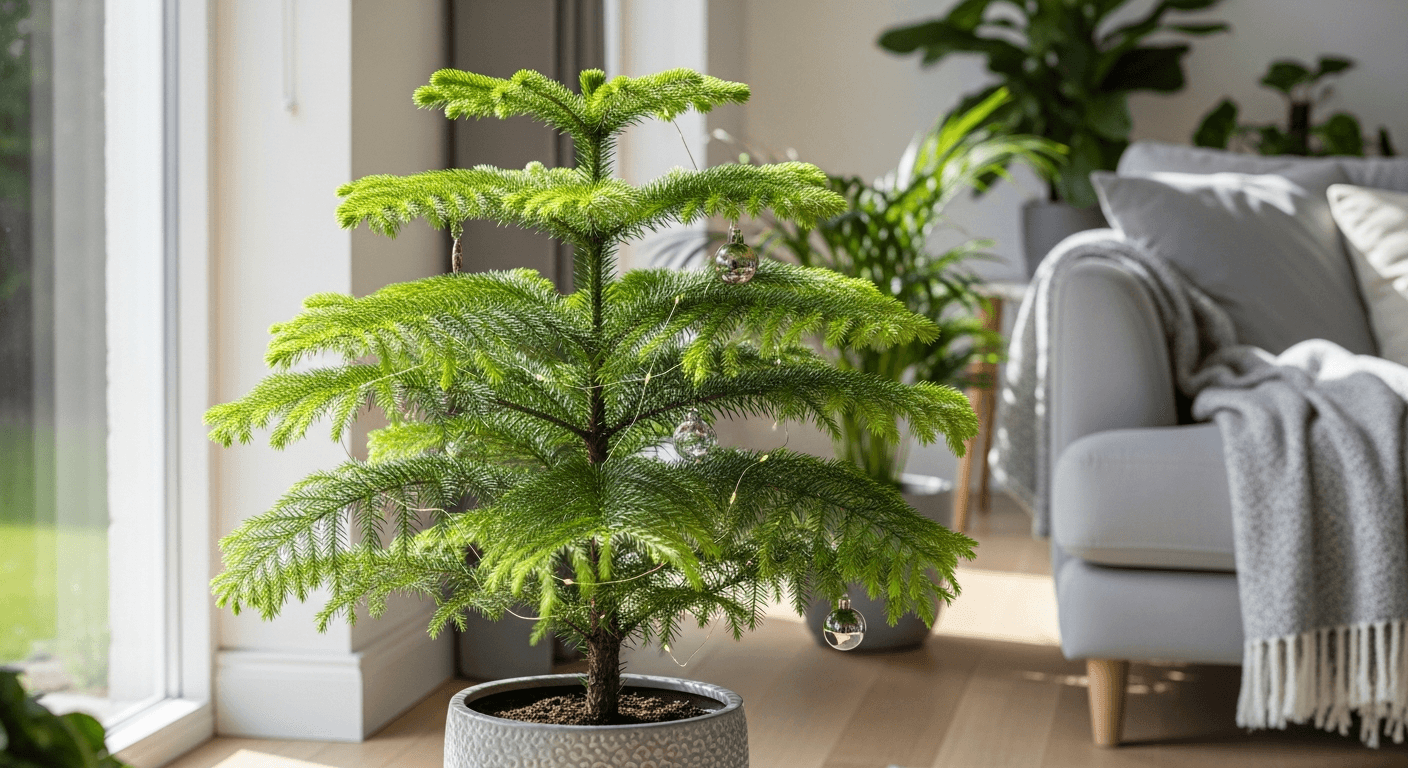
Norfolk Island Pine Care: The Living Christmas Tree
Norfolk Island pine (Araucaria heterophylla) care: light, watering, humidity and why its branches turn brown and drop. The living indoor Christmas tree guide.
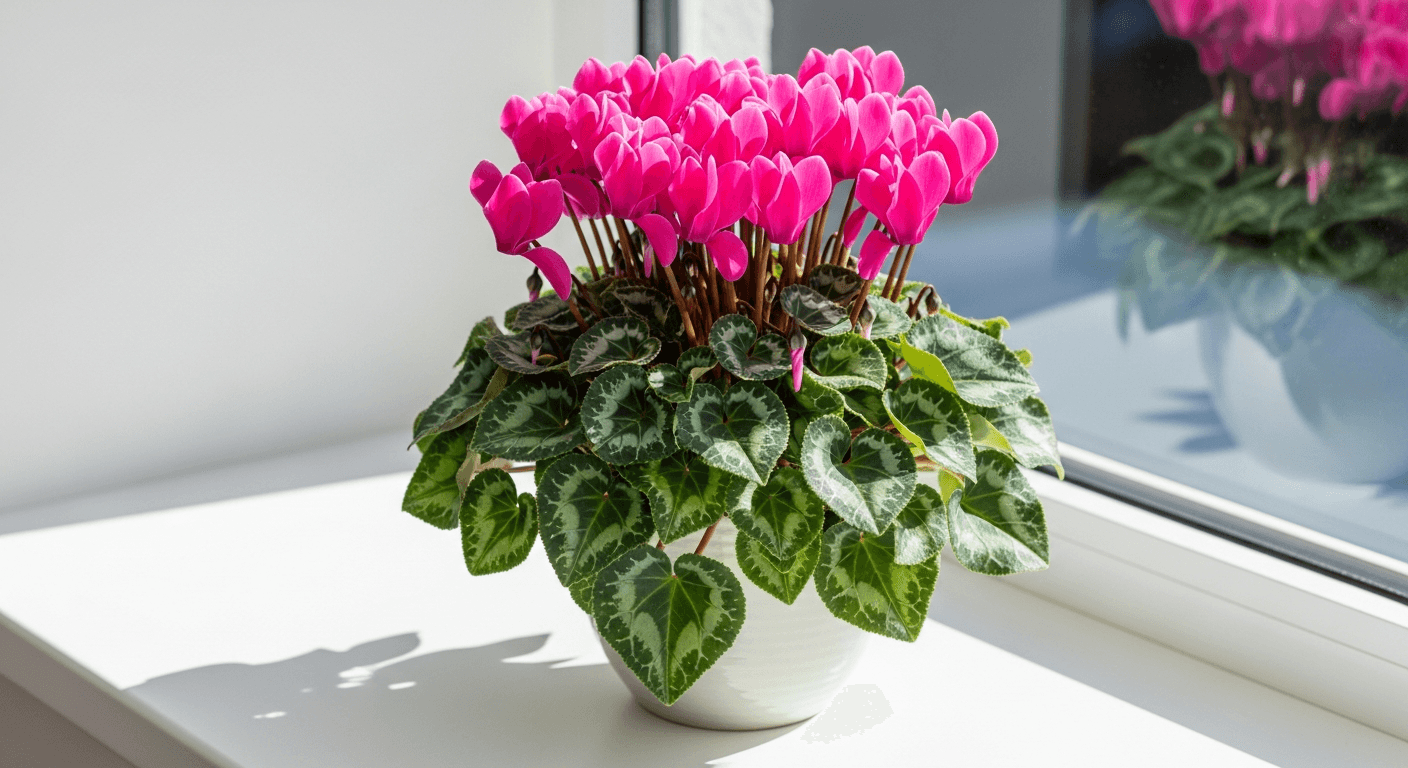
Cyclamen Care: Keep It Blooming All Winter
Cyclamen care so it blooms all winter: cool temperatures, light, watering from below to avoid crown rot, and how to handle its summer dormancy.
Trouble with your plant?
AI diagnosis