Ponytail Palm: Its Trunk Is a Water Tank
Ponytail palm care: it stores water in its swollen trunk, so very little watering, lots of light and nearly indestructible. Pet-safe. Complete guide.
In this article
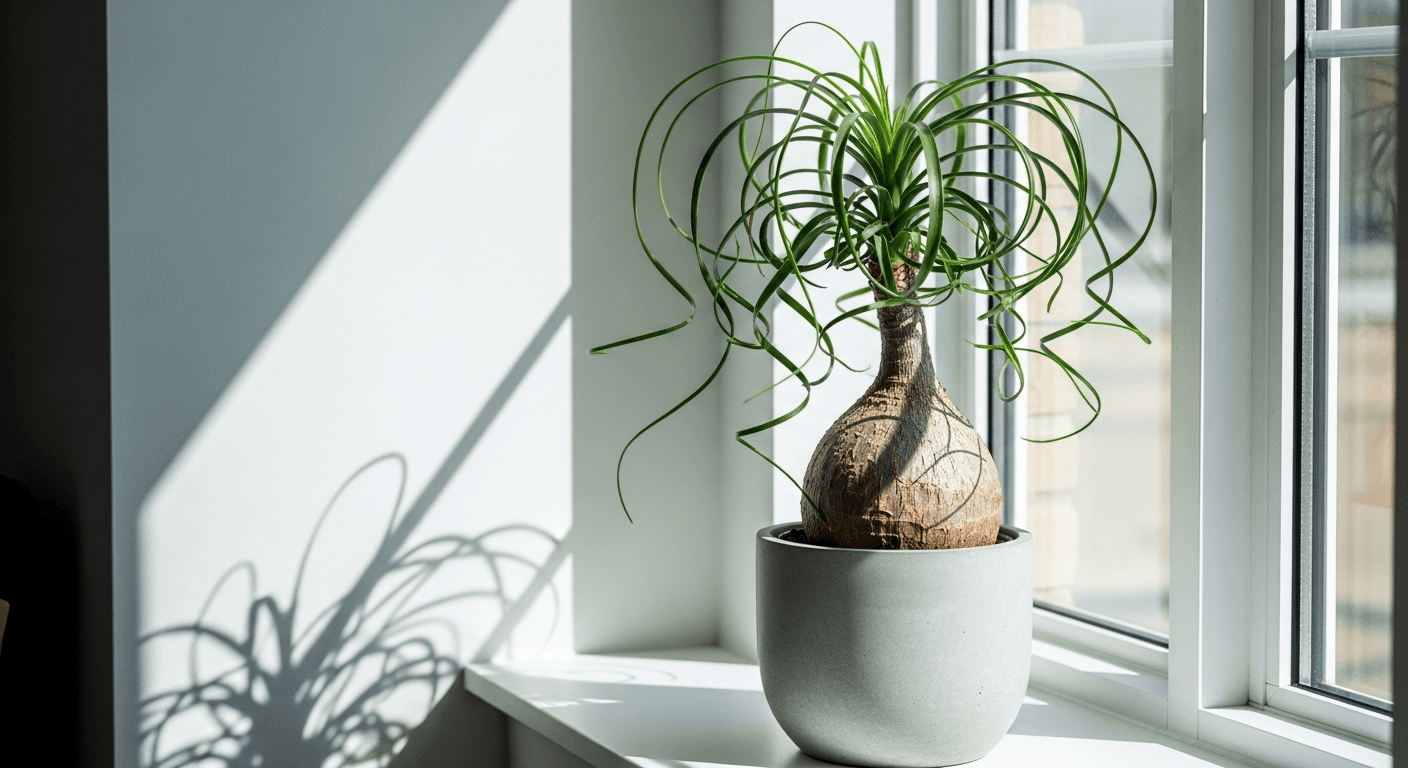
The ponytail palm (Beaucarnea recurvata) is one of the most curious and rewarding houseplants out there. Although its name and long, curly leaves bring a palm to mind, it's actually a relative of the succulents. Its standout feature is the swollen base of the trunk — a kind of "belly" where it stores water to survive drought.
| Care | Need |
|---|---|
| Light | Lots; some gentle direct morning sun |
| Watering | Very little; dry out fully between |
| Soil | Very free-draining (cactus or perlite) |
| Growth | Slow; repot every 3-4 years |
| Toxicity | Non-toxic, pet-safe |
A plant that forgives neglect
If you want a plant that's pretty, sculptural and forgives almost any slip-up, the ponytail palm is ideal. Thanks to its built-in water tank, it tolerates weeks without watering without missing a beat. It grows slowly and can live for decades, thickening and gaining character over the years. On top of that, it's pet-safe, which is rare among houseplants.
Is your plant looking off and you are not sure why?
Free AI diagnosisBasic care, point by point
Light
- Ideal: lots of light, including some gentle direct morning sun.
- Tolerates: bright, indirect light.
- Avoid: prolonged shade, where it weakens and the leaves lose vigor.
The more light it gets, the more compact and attractive it stays. In a dark corner it survives but barely grows.
Watering: less is more
This is the whole secret. Because it stores water in its trunk, it needs very little watering:
- Spring and summer: every 10-20 days, once the soil is completely dry.
- Autumn and winter: every 3-4 weeks is more than enough.
Water thoroughly, let it drain and empty the saucer. The most common mistake is treating it like a tropical plant: too much water rots the trunk and roots.
Golden rule: when in doubt, don't water. It handles drought far better than soggy soil.
Soil and pot
It needs very free-draining soil: a cactus and succulent mix is ideal, or all-purpose soil with plenty of perlite or coarse sand. The pot must have drainage holes. A terracotta pot helps the soil dry out faster.
Repotting
It likes to be a little snug and grows slowly, so repot only every 3-4 years, in spring. Move it to a pot that's too big and the extra soil holds moisture, raising the risk of rot.
Feeding and growth
The ponytail palm is a slow, light feeder. A balanced liquid fertilizer diluted to half strength once a month during spring and summer is all it needs; stop completely in autumn and winter. Don't expect rapid results — it may push out only a few new leaves a year. That slowness is part of its charm and the reason a well-grown specimen feels so established and sculptural.
Its drought tolerance makes it the best companion for anyone who travels: see the options in watering while away. In that same group of plants that forgive neglect you'll find the snake plant and the ZZ plant.
Common problems
- Soft trunk or excessive wrinkling: a sign of rot from overwatering. Cut back on water immediately and check the roots.
- Brown leaf tips: normal to some degree; if very pronounced, it's usually hard, calcium-rich water or very dry air. Trim them with clean scissors.
- Pale leaves and a stretched plant: not enough light.
- Very soft, hollow trunk: the rot may be advanced; remove the rotten part and let it dry out.
If your ponytail palm looks off and you're not sure why, try the AI diagnosis tool to narrow down the cause before you act.
Care it enjoys
As a relative of the succulents, it shares much of their care. If you like low-maintenance plants, take a look at our succulents guide, which are cared for in much the same way.
Now and then, remove the dry leaves at the base by gently pulling, and wipe dust off the leaves with a damp cloth so it can breathe better.
Is it toxic?
No. The ponytail palm is safe for dogs, cats and children, which makes it an excellent choice if you have curious pets at home.
With plenty of light, widely spaced watering and free-draining soil, you'll have a sculptural, nearly indestructible plant that will be with you for many years.
Related articles
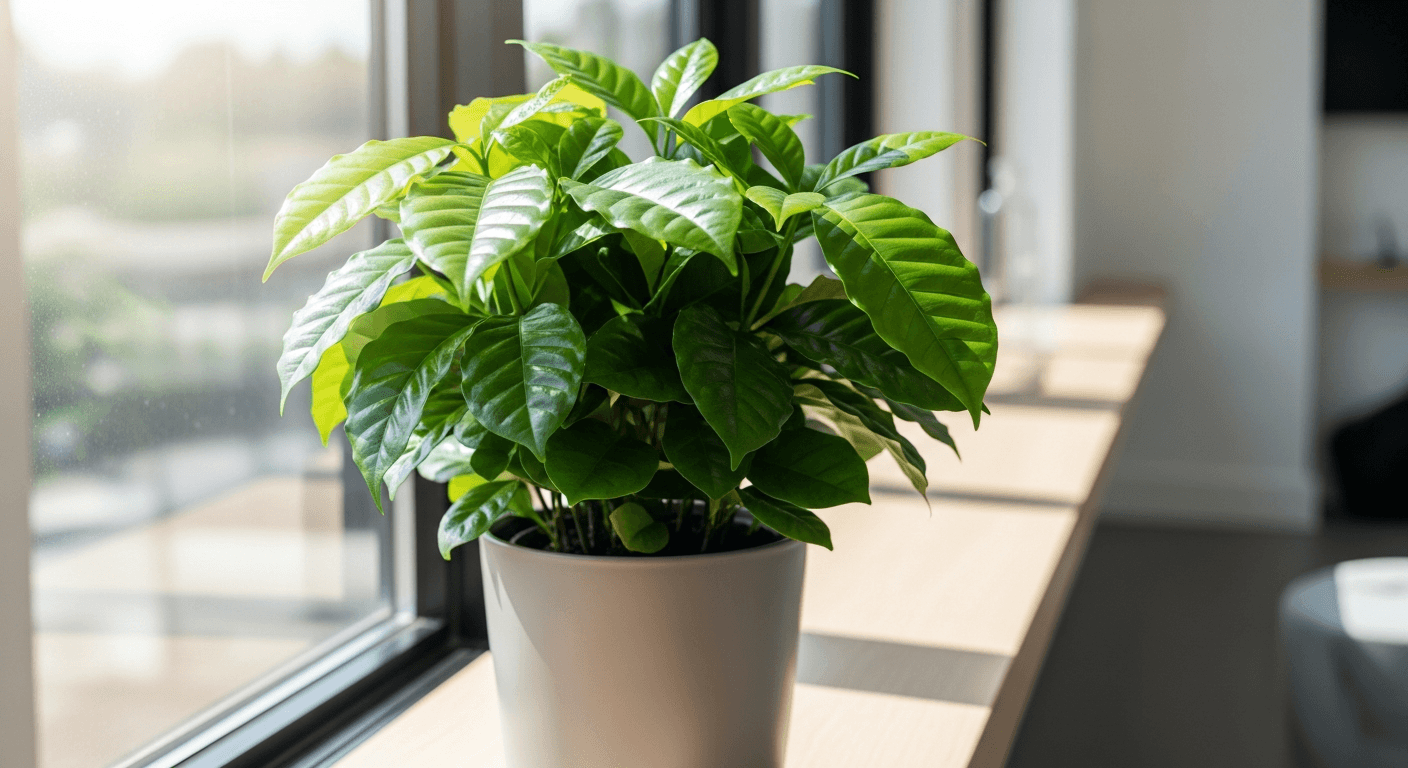
Coffee Plant Care: Growing Coffea at Home
Coffee plant (Coffea arabica) care as a houseplant: bright indirect light, humidity, watering, and whether you can really harvest your own coffee beans.
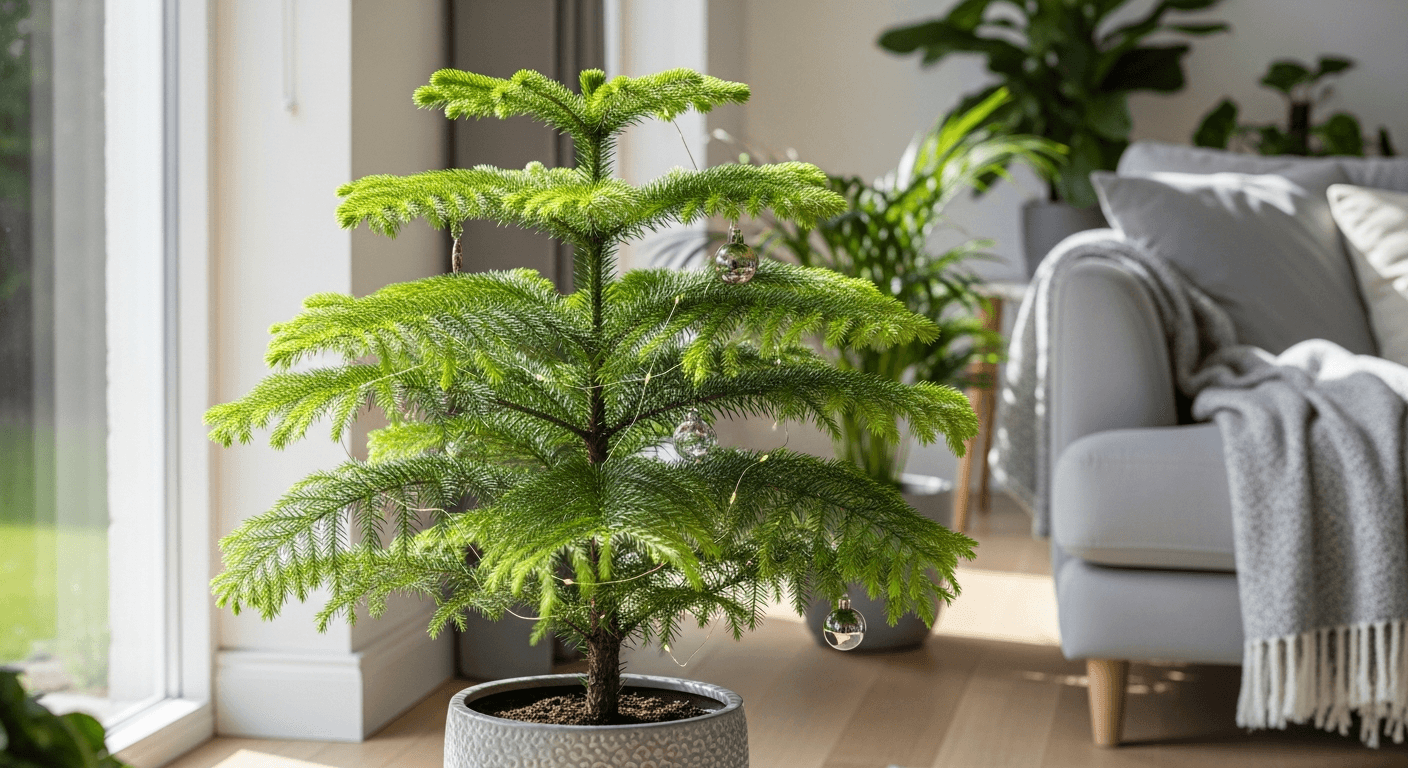
Norfolk Island Pine Care: The Living Christmas Tree
Norfolk Island pine (Araucaria heterophylla) care: light, watering, humidity and why its branches turn brown and drop. The living indoor Christmas tree guide.
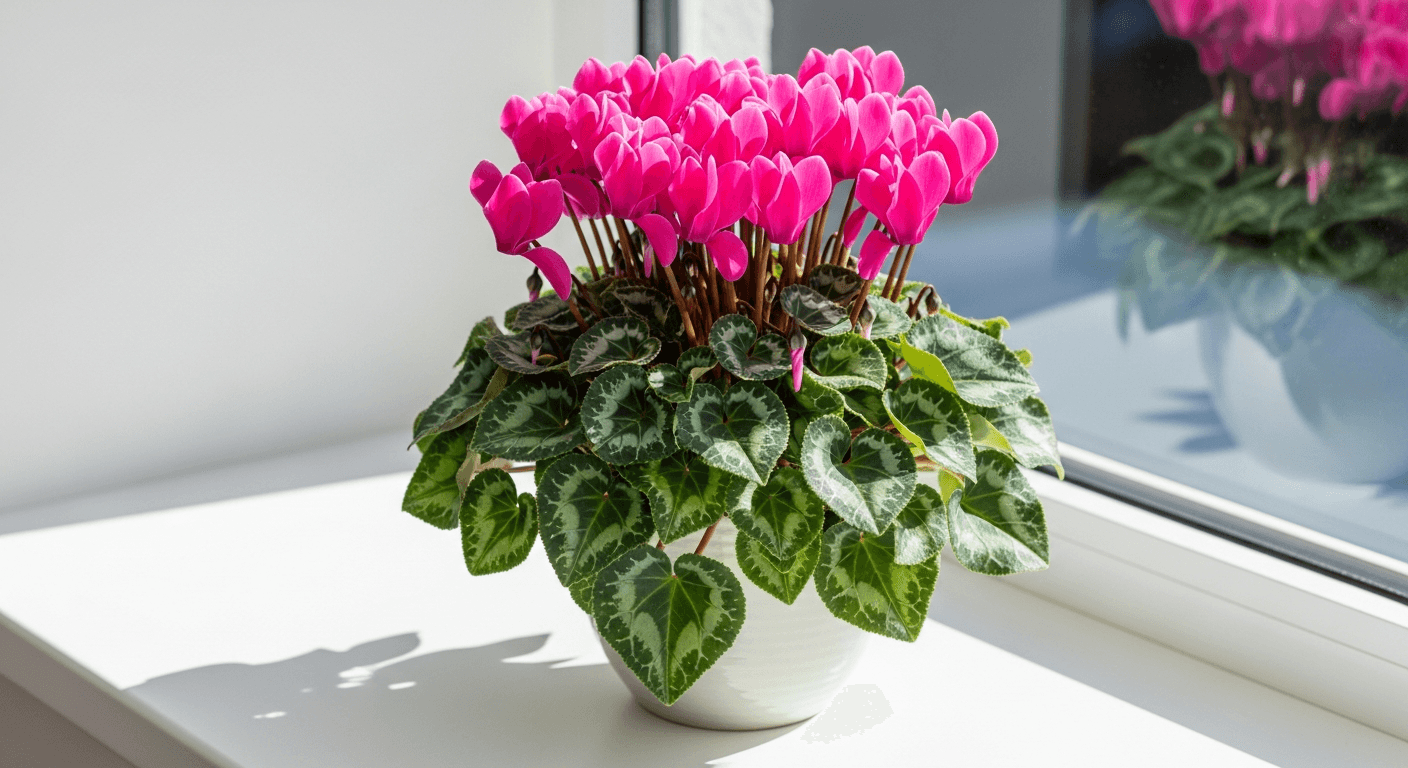
Cyclamen Care: Keep It Blooming All Winter
Cyclamen care so it blooms all winter: cool temperatures, light, watering from below to avoid crown rot, and how to handle its summer dormancy.
Trouble with your plant?
AI diagnosis