Rubber Plant: Glossy Leaves and Milky Sap
Care for the rubber plant (Ficus elastica): light, watering, cleaning its big glossy leaves, pruning to branch out, common problems and pet toxicity.
In this article
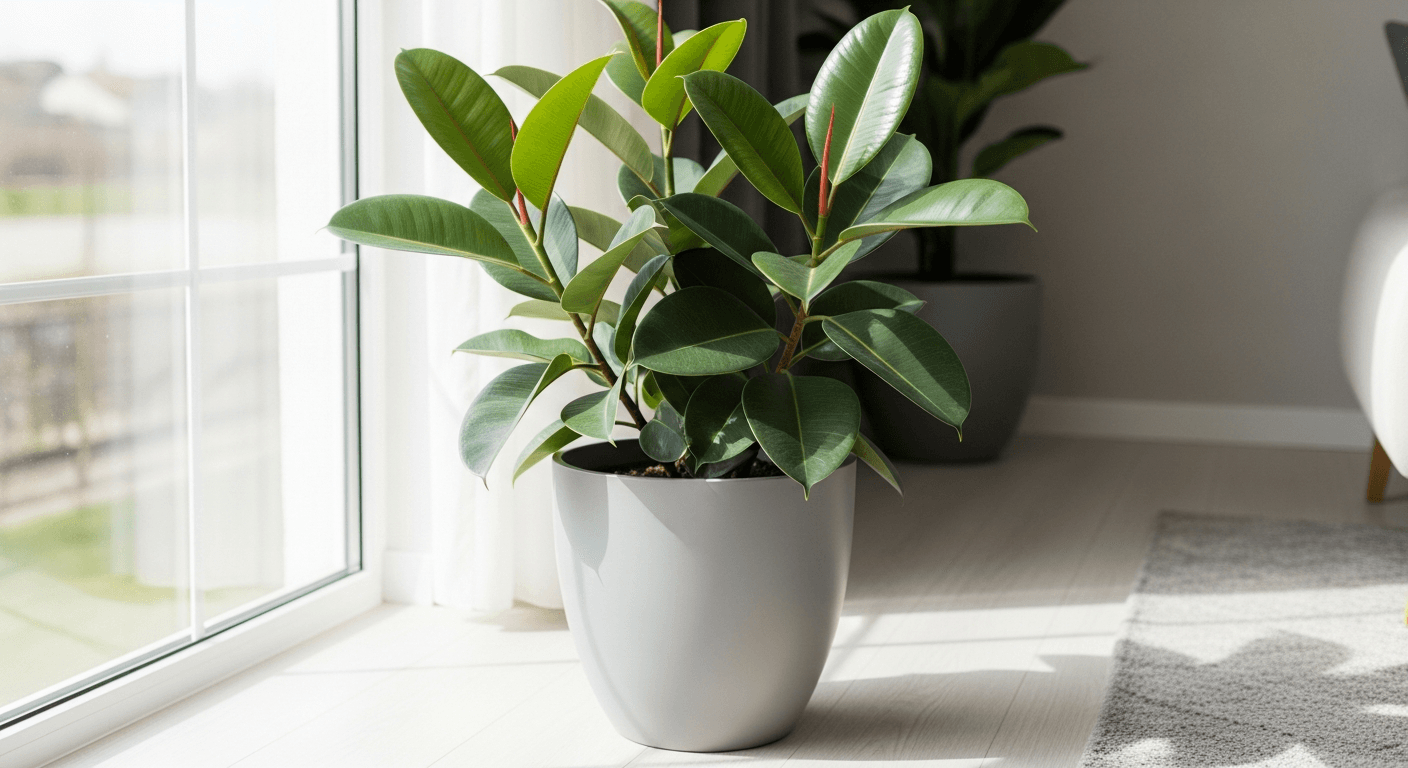
The rubber plant (Ficus elastica) is one of the most rewarding houseplants you can grow. Its large, thick, glossy leaves add a sculptural touch and it shrugs off neglect. For me it's the perfect ficus to start with: it has the tree habit of the fiddle leaf fig but without its dramatic temperament. With simple care it can go from a small pot to a near six-foot specimen.
Origin and character
It comes from Southeast Asia, where it grows into a huge tree. Indoors it stays far more compact but keeps that sturdy habit and those leathery leaves, which depending on the variety can be deep green, near-black burgundy or variegated in pink and cream. Unlike its cousin the fiddle leaf, it tolerates changes and small lapses much better, which makes it far more forgiving for beginners.
Is your plant looking off and you are not sure why?
Free AI diagnosisBasic care, point by point
Light
| Light level | Result |
|---|---|
| Bright indirect (sheer-curtained window) | Healthy growth and deep color ✅ |
| Variegated types with good light | Keep their pink and cream |
| Low light | Stretches, drops lower leaves; variegation reverts to green |
| Harsh direct sun | Scorches the leaves |
Variegated types (Tineke, Ruby) need more light than the green ones to keep their color. See the light guide.
Watering
Water when the top 1-1.5 inches of soil are dry. In spring and summer that's usually every 7-10 days; in winter, much less. The rubber plant prefers to stay slightly dry rather than soggy.
Rule of thumb: if in doubt, wait one more day. Overwatering is its main enemy.
The classic overwatering sign is yellow leaves dropping from the bottom; if it spreads, check the roots for rot. The finger method avoids both extremes.
Humidity and temperature
It tolerates average household humidity, though it appreciates a little extra moisture in the air. Keep it between 60 and 80 °F (16-27 °C) and away from cold drafts and radiators, which dry the leaves out and cause brown edges.
The key: clean, glossy leaves
Its big leaves gather dust easily, and dust blocks the light the plant needs (and dulls the shine that is its main appeal):
- Wipe the leaves every 2-3 weeks with a damp cloth, supporting each leaf from below with your other hand.
- Skip commercial leaf shines — they clog the pores. A cloth and water is all you need. More in cleaning leaves.
Soil and repotting
Use a good all-purpose mix with a handful of perlite for drainage. Repot every 1-2 years, in spring, into a pot a couple of inches larger and always with drainage holes.
Pruning to branch out
Left alone it grows as a single straight stem. For a bushier plant:
- Cut the main growing tip with clean scissors, just above a node.
- A white latex will ooze out — wipe it carefully (it irritates sensitive skin).
- Within a few weeks, two or more new branches sprout below the cut.
Spring is the best time to prune.
Propagation
- Cutting: use the piece you remove when pruning. Let the latex dry, strip the lower leaves and put it in water or damp soil; it roots in several weeks (more in how to propagate plants).
- Air layering: for tall, "bare" specimens, the most reliable way to get a new plant with a trunk.
Popular varieties
- Robusta: deep green, the most common and toughest.
- Abidjan / Burgundy: near-black burgundy leaves.
- Tineke: variegated green and cream.
- Ruby: pinkish new growth over cream and green, stunning.
- Melany: compact, with smaller leaves.
Quick care table
| Care | Rubber plant |
|---|---|
| Light | Bright indirect |
| Water | When dry (1-1.5 in) |
| Cleaning | Leaves every 2-3 weeks |
| Difficulty | Easy |
| Pets | Toxic sap |
Common problems
| Symptom | Likely cause | Fix |
|---|---|---|
| Yellow leaves dropping | Overwatering | Let it dry; check drainage |
| Lower leaves dropping | Normal with age; or low light if widespread | Check light if many drop |
| Brown, crispy edges | Very dry air or hard water | Raise humidity; rested water |
| Leaf drop after moving it | Sudden change | Give it time to settle |
| Variegation reverting to green | Too little light | More indirect light |
Is it toxic?
Yes. The milky sap contains compounds that irritate the skin and mouths of pets and children if chewed. Keep it out of reach and wear gloves when pruning. If you have pets, look for pet-friendly options.
With good light, careful watering and clean leaves, the rubber plant is one of those plants that grows year after year asking for almost nothing in return. It's also one of the best large indoor plants. Yours looking off? Try the AI diagnosis tool.
Related articles
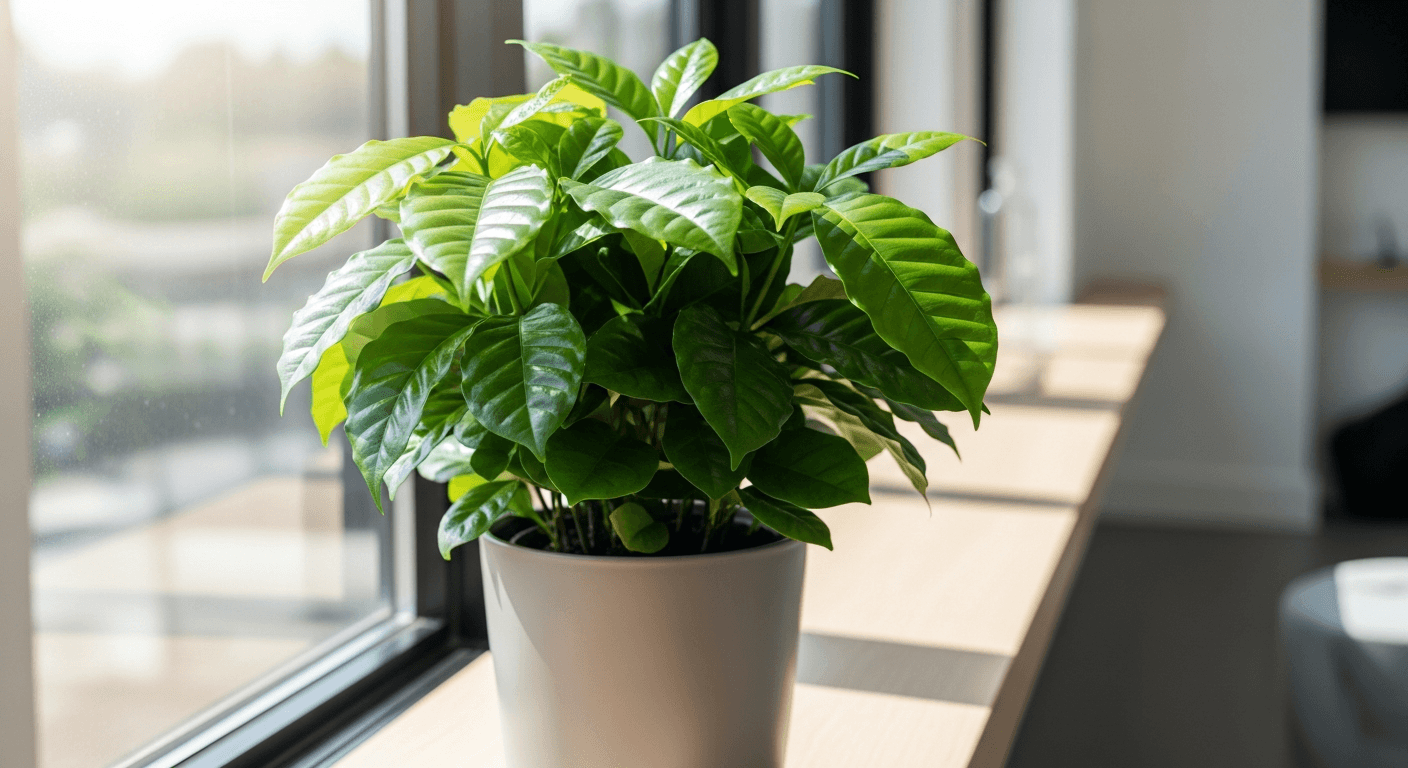
Coffee Plant Care: Growing Coffea at Home
Coffee plant (Coffea arabica) care as a houseplant: bright indirect light, humidity, watering, and whether you can really harvest your own coffee beans.
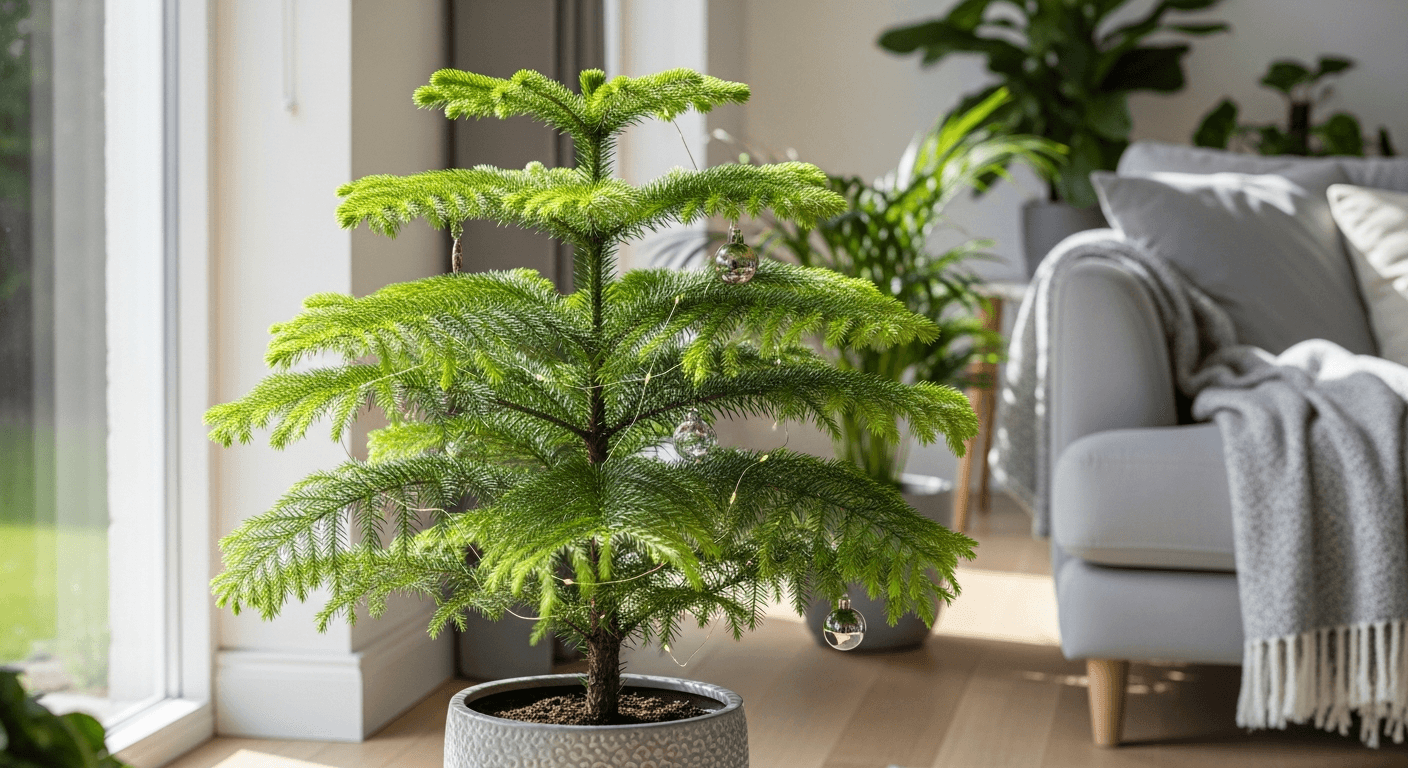
Norfolk Island Pine Care: The Living Christmas Tree
Norfolk Island pine (Araucaria heterophylla) care: light, watering, humidity and why its branches turn brown and drop. The living indoor Christmas tree guide.
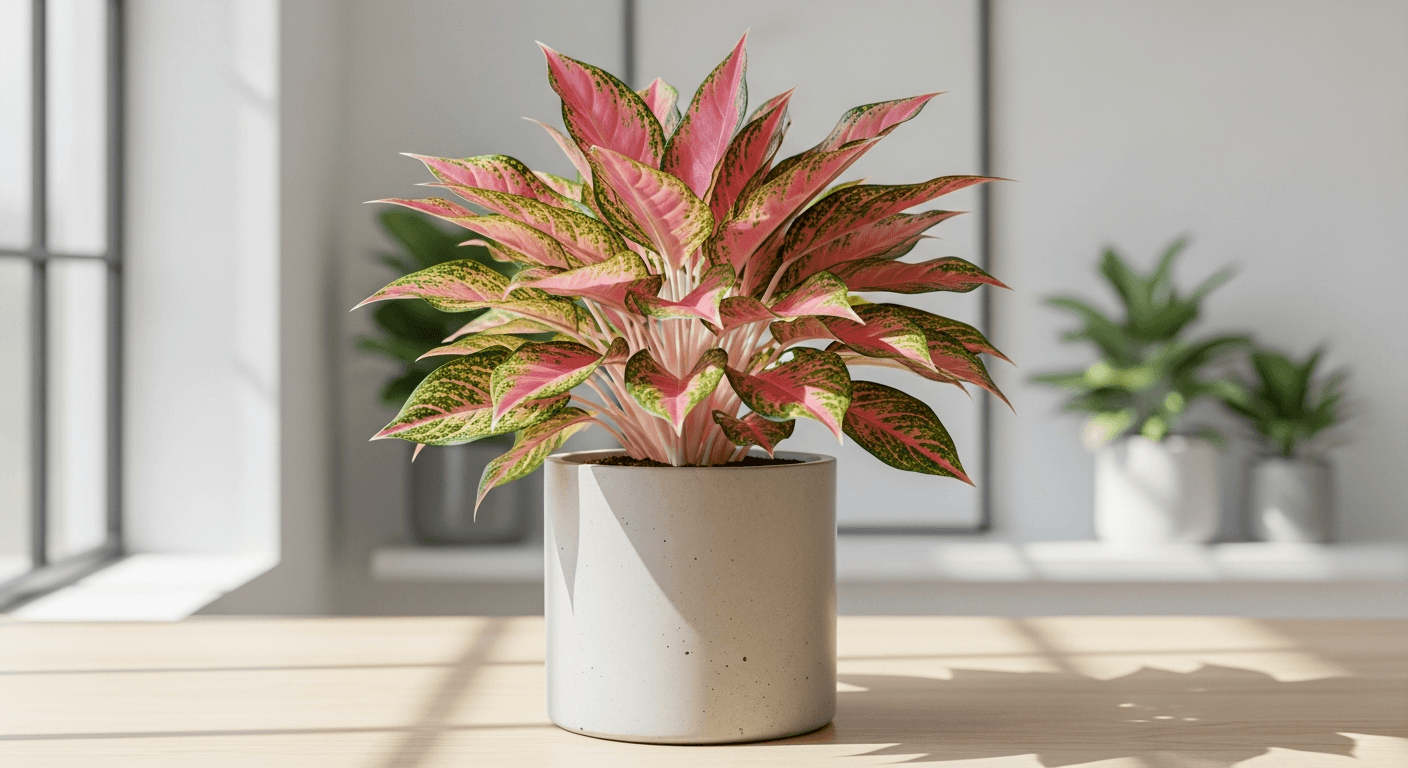
Aglaonema (Chinese Evergreen): The Complete Care Guide
Care guide for the Aglaonema or Chinese evergreen: light for the pink varieties, watering, humidity, propagation by division and its toxicity to pets.
Trouble with your plant?
AI diagnosis