Peperomia: The Semi-Succulent That Fits Anywhere
Peperomia care: medium light, careful watering for its semi-succulent leaves, and easy leaf propagation. Compact and pet-safe. Complete care guide.
In this article
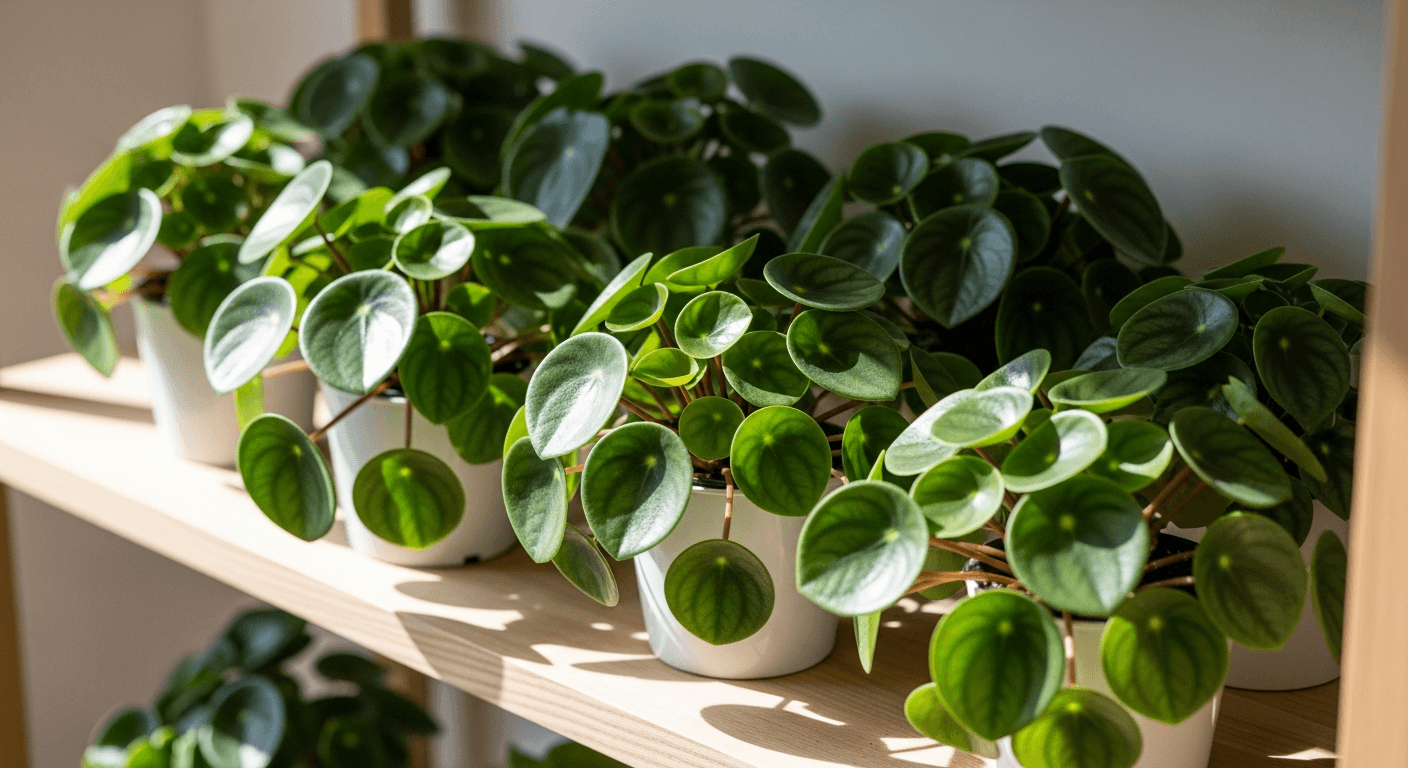
Peperomias are a huge group of small houseplants with a special charm: thick, often glossy leaves, a compact habit and very low maintenance. There are hundreds of species — from the round-leaved Peperomia obtusifolia to the rippled, heart-shaped leaves of Peperomia caperata — but they all share the same basic care. If you want a small, tough and pet-safe plant, this is a safe bet.
Why they're so easy
Many peperomias have semi-succulent leaves that store water. That means they forgive missed waterings and rarely grow large enough to need frequent repotting. They're perfect for desks, shelves and windowsills, and get along well with other small plants.
Is your plant looking off and you are not sure why?
Free AI diagnosisBasic care, point by point
Light
- Ideal: medium to bright indirect light, with no direct sun.
- Tolerates: some shade, especially the green-leaved varieties.
- Avoid: harsh direct sun, which scorches the leaves, and total darkness, which stretches them.
Variegated varieties (with lighter markings) need a bit more light to keep their color.
Watering
Here's the most common mistake: overwatering. Because its leaves store water, the peperomia prefers to dry out a little between waterings:
- Water when the top 1 inch of soil is dry.
- In spring and summer that's usually once a week; in winter, every 12-15 days.
- Let it drain well and empty the saucer.
Golden rule: when in doubt, wait. The peperomia tolerates a brief dry spell far better than soggy soil, which rots its stems and roots.
Humidity and temperature
It appreciates moderate ambient humidity, but with its fleshy leaves it tolerates household air better than other tropicals. Keep it between 65 and 79 °F and away from cold drafts. An occasional misting or grouping it with other plants keeps it looking glossy.
Soil and repotting
It needs a very airy, well-draining mix: all-purpose soil with plenty of perlite, or even a little orchid or cactus mix. It likes to be a bit snug in its pot, so repot only every 2-3 years, in spring.
Propagation: give plants away
One of the great joys of the peperomia is how easy it is to multiply, even from a single leaf:
- Cut a healthy leaf with a bit of petiole (the little stalk).
- Plant it with the petiole buried in damp soil, or place it in water.
- Keep the soil lightly moist and warm.
- In a few weeks roots will form and, later, a tiny new plant.
You can also propagate stem cuttings. If you want to master the technique, review our how to propagate plants guide.
Feeding and grooming
The peperomia is a modest feeder. A balanced liquid fertilizer diluted to half strength once a month in spring and summer keeps it growing steadily; skip it in winter. Pinch back any leggy stems to encourage a bushier shape, and remove old or damaged leaves at the base to keep the plant tidy. The slender flower spikes that sometimes appear look like little tails and are harmless — leave them or snip them off, as you prefer.
Popular varieties
With hundreds of species, these are the ones you'll see most:
- Obtusifolia (baby rubber plant): round, thick, glossy leaves, green or variegated.
- Caperata ('Emerald Ripple', 'Rosso'): rippled, heart-shaped leaves.
- Watermelon (argyreia): leaves patterned like watermelon skin on red petioles.
- 'Hope' and 'String of Turtles': trailers with little round leaves, great for shelves.
- Ferreyrae ("happy bean"): long, bean-pod-like leaves.
Note: the Pilea peperomioides is often confused with peperomias because of the name, but it's a different plant (though just as easy).
Quick care table
| Care | Peperomia |
|---|---|
| Light | Medium-bright indirect |
| Water | When dry (top inch); little water |
| Humidity | Medium (tolerates household air) |
| Difficulty | Very easy |
| Pets | Non-toxic ✅ |
Common problems
- Soft, drooping leaves or black stems at the base: overwatering and possible rot. Cut back on water immediately.
- Wrinkled leaves: lack of water; the plant has drawn on its reserves.
- Leaf drop: a sudden temperature change or cold draft.
- Discolored patches: usually direct sun.
If you can't pin down what's wrong, try the AI diagnosis tool to narrow down the cause before you act.
Is it toxic?
No. The peperomia is safe for dogs, cats and children, which makes it one of the best choices for homes with curious pets.
With medium light, careful watering and free-draining soil, the peperomia will give you a compact, healthy and rewarding plant for years — and, as a bonus, all the little new plants you care to propagate. It's also one of the best plants for beginners.
Related articles
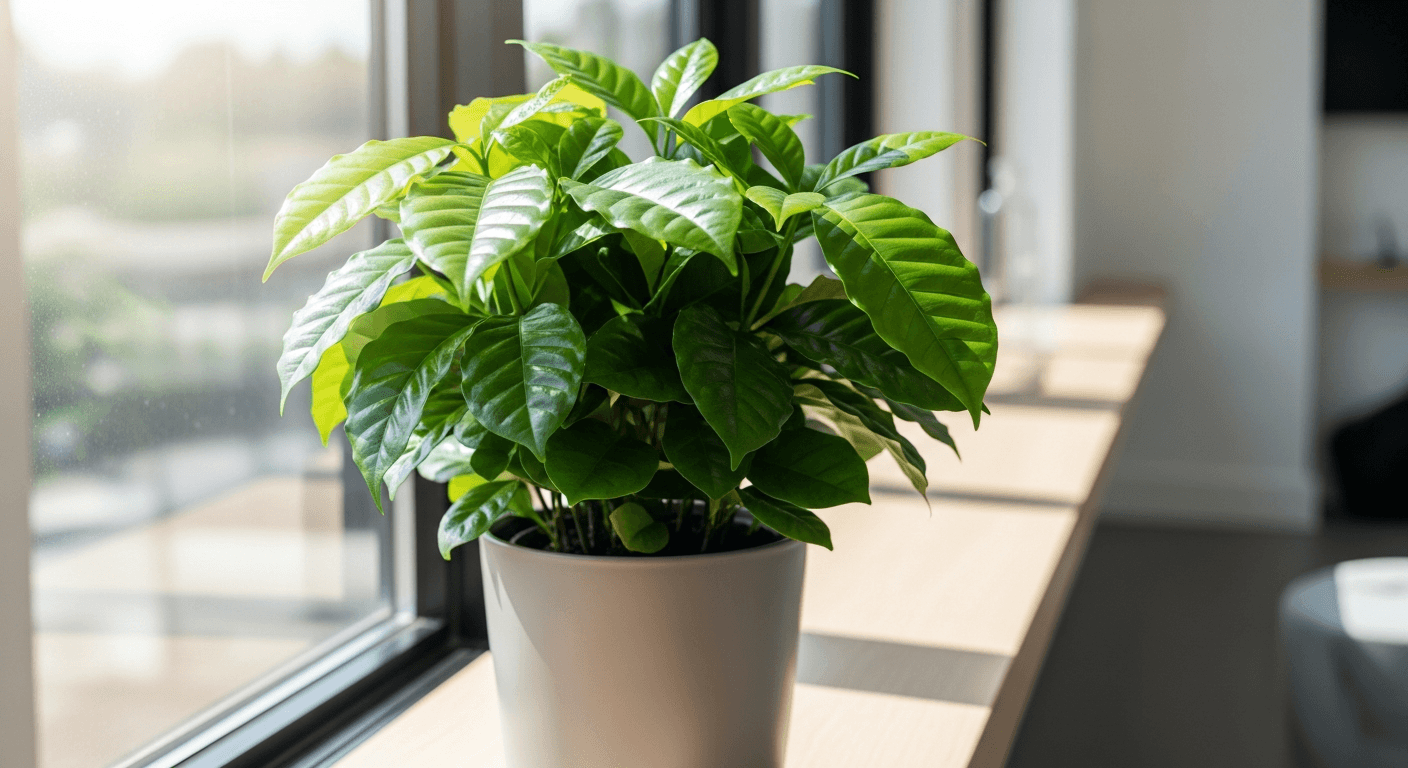
Coffee Plant Care: Growing Coffea at Home
Coffee plant (Coffea arabica) care as a houseplant: bright indirect light, humidity, watering, and whether you can really harvest your own coffee beans.
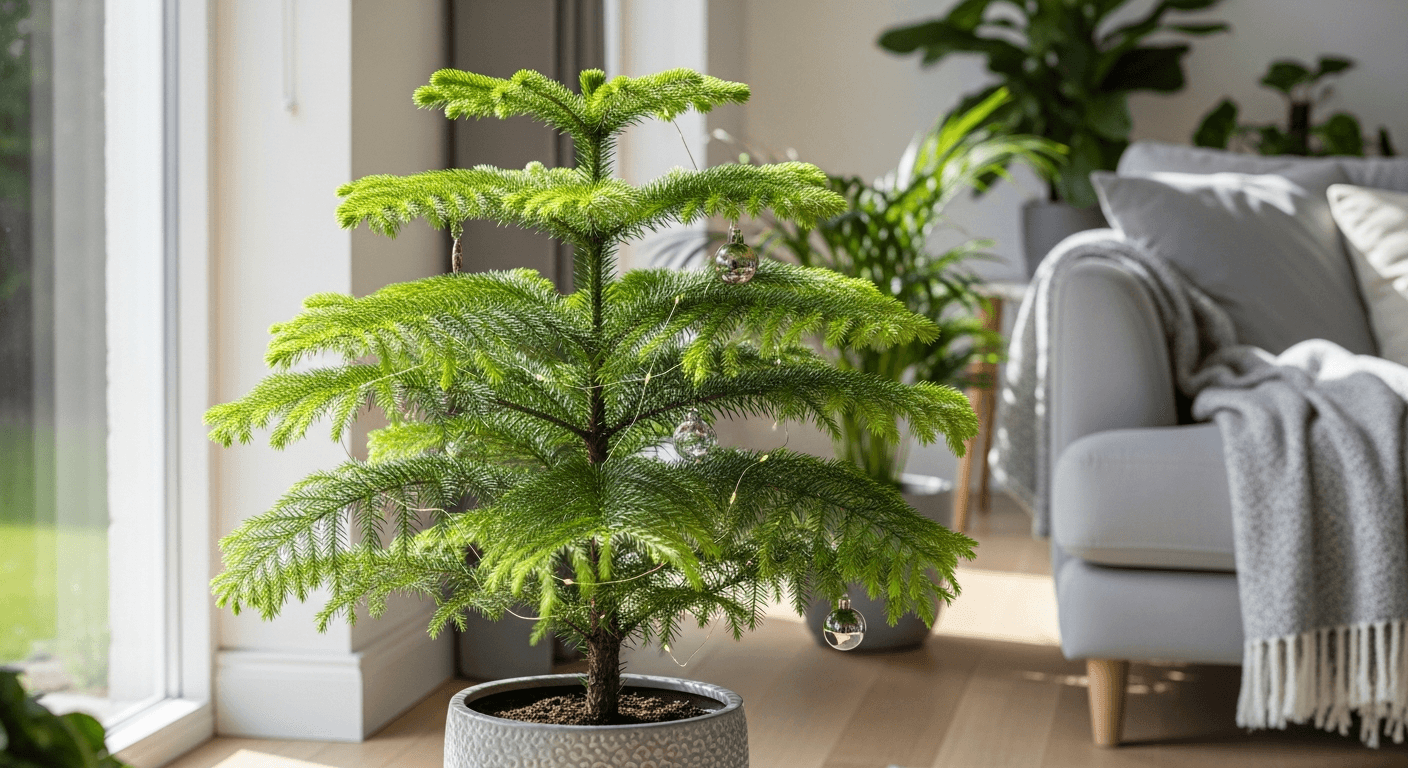
Norfolk Island Pine Care: The Living Christmas Tree
Norfolk Island pine (Araucaria heterophylla) care: light, watering, humidity and why its branches turn brown and drop. The living indoor Christmas tree guide.
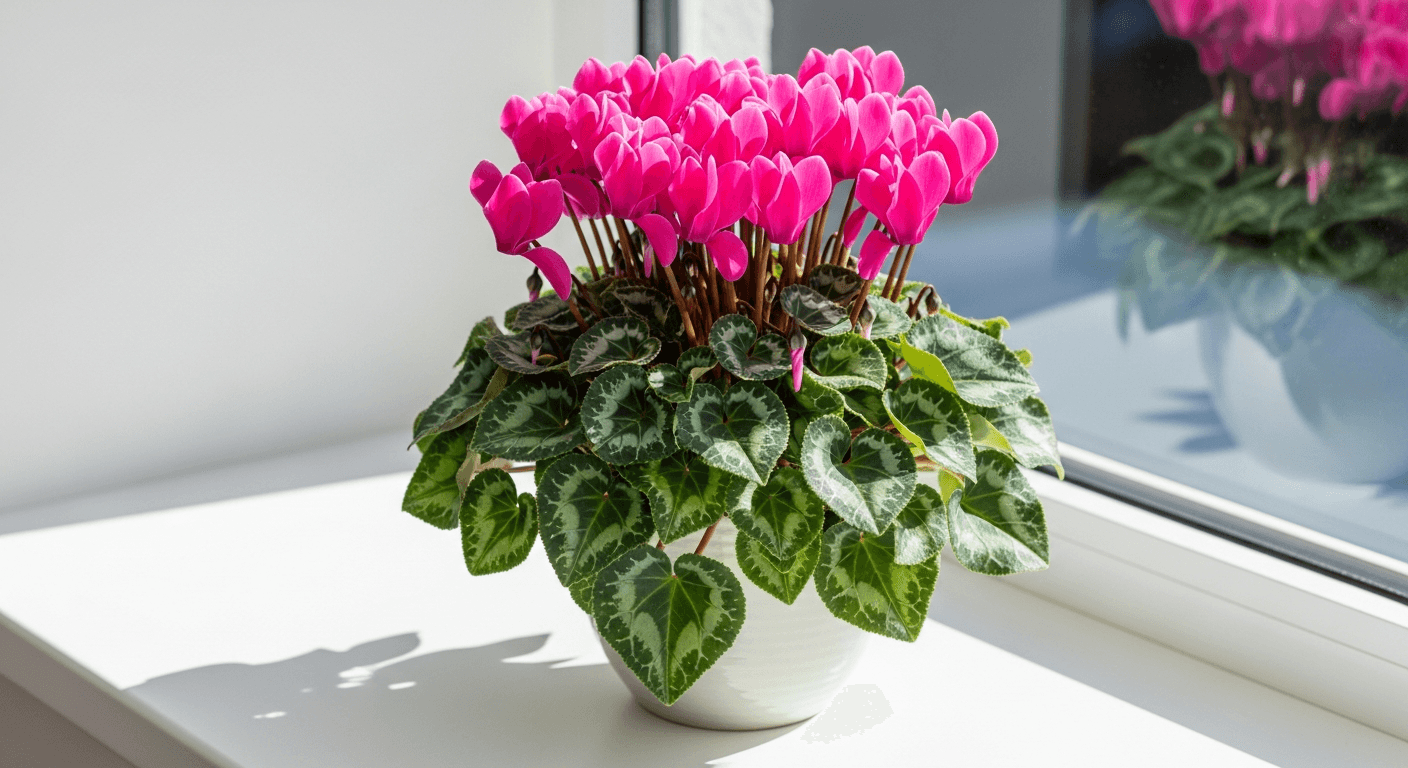
Cyclamen Care: Keep It Blooming All Winter
Cyclamen care so it blooms all winter: cool temperatures, light, watering from below to avoid crown rot, and how to handle its summer dormancy.
Trouble with your plant?
AI diagnosis