Hoya: Why It Takes So Long to Flower, and What Never to Cut
Hoya (wax plant) care: light, watering, soil and the secret to make it bloom. A tough trailing plant with incredible flowers you shouldn't prune wrong.
In this article
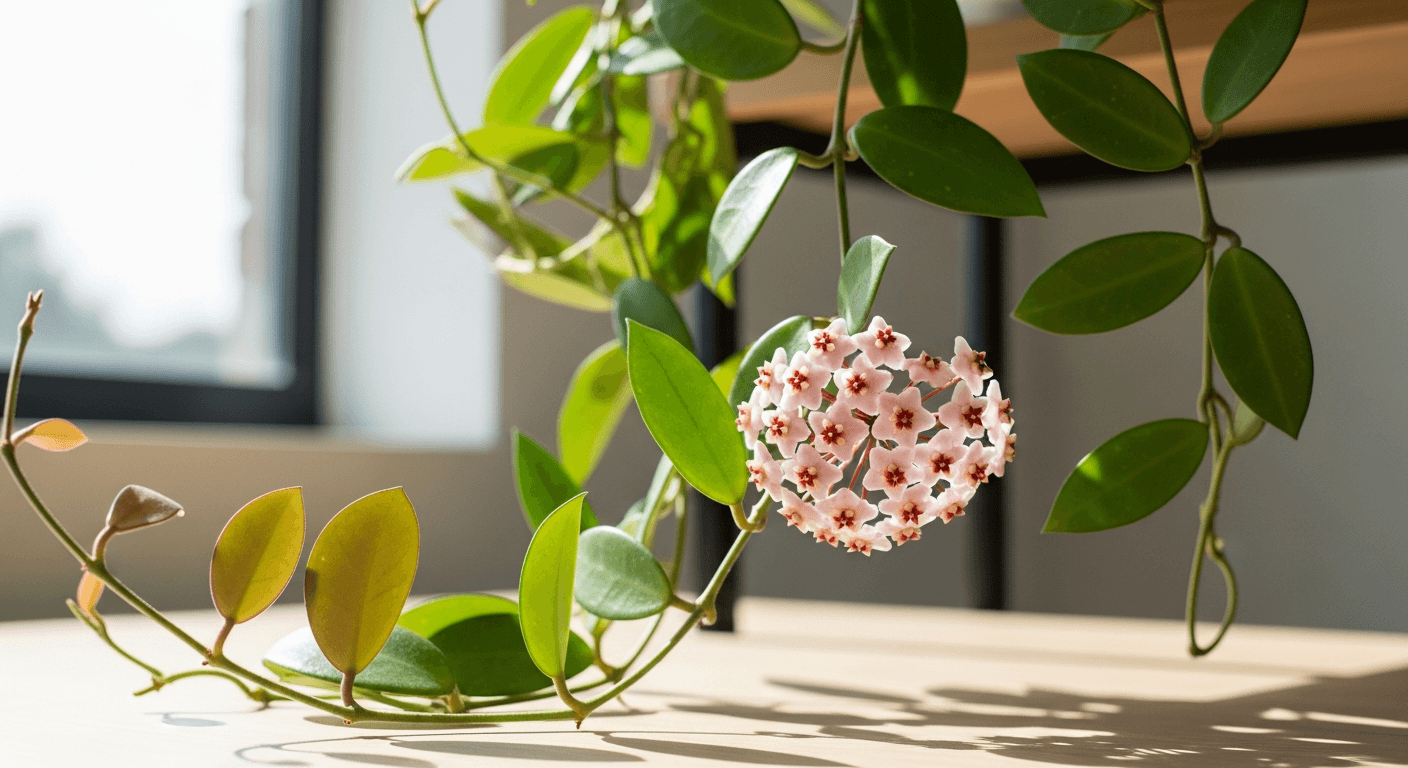
The Hoya, or "wax plant," is one of my favorite plants for getting someone hooked on this hobby: a climber with thick, glossy leaves that, once mature, produces clusters of flowers so perfect they look like porcelain, with a sweet scent many of them release at dusk. It's tough, low-water — almost a succulent — and lives for decades once you understand it. Its reputation for being "hard to bloom" vanishes the moment you grasp one thing: where and how it stores its flowers. Here's everything.
A semi-succulent epiphyte
The Hoya comes from the jungles of Southeast Asia and Australia, where it grows as an epiphyte: it climbs trees with its roots in the air, gripping the bark. That's why its leaves are thick and waxy (they store water, like a succulent) and its roots need plenty of air. Understanding this explains almost all its care: little water, very airy soil and no compact dirt.
Is your plant looking off and you are not sure why?
Free AI diagnosisBasic care, point by point
Light: the number-one factor for flowers
| Light level | Result |
|---|---|
| Very bright indirect + some gentle morning sun | Healthy growth and flowering ✅ |
| Medium indirect | Grows, but won't bloom or barely |
| Low light | Long stems, no flowers |
| Strong direct sun | Scorches and yellows the leaves |
Without enough light, the Hoya grows and looks fine, but won't bloom. It's by far the number-one reason for Hoyas that never flower. A very bright spot by a window, or under a grow light, makes the difference (see the light guide).
Watering
Since its leaves store water, water when the soil is almost dry: every 1-2 weeks in summer and much less in winter. It tolerates drought far better than excess. Read the leaves:
- Soft, wrinkled leaves = thirst; a drink revives them.
- Yellow, drooping leaves = overwatering, heading toward root rot.
Water thoroughly, let it drain and empty the saucer. The finger method avoids both extremes.
Humidity and temperature
It appreciates medium-high humidity (50-60%), in keeping with its tropical origin, though it tolerates a normal home better than a calathea. Raise humidity by grouping plants or with a humidifier if the air is very dry (see the humidity guide). Keep it between 65 and 84 °F (18-29 °C), away from cold drafts.
Soil and pot
Here are two keys almost no one respects:
- Very airy mix: a blend of orchid bark, perlite and some all-purpose soil or coco coir. Never plain soil, which suffocates its epiphytic roots (see the right potting soil).
- A slightly snug pot: the Hoya loves being pot-bound, and that encourages flowering. Don't rush to move it into a big pot; repot only every 2-3 years.
The secret to flowers (the most important part)
If you take away one idea, make it this. Hoya flowers grow from little stalks called peduncles or spurs. The key:
- Never cut the peduncles. When a flower umbel fades and falls, leave the bare little stalk it grew from: new flowers rebloom from the same peduncle season after season. Cutting them is mistake #1 and forces the plant to start from scratch each year.
- Give it time and maturity. A young Hoya can take 2-3 years to flower for the first time. It's not that you're doing it wrong: it's just not adult yet.
- Conditions that encourage it: lots of light, being a bit pot-bound, and a slight seasonal drought (watering less in late winter) often trigger blooming.
The umbel and the nectar
Each Hoya "flower" is really an umbel: a cluster of many tiny star-shaped flowers arranged in a ball. They usually last a week or two, and many exude sticky drops of nectar, especially at night, along with their perfume. Those drops are completely normal (not a pest); just wipe up whatever falls on furniture.
Popular varieties
- Carnosa: the classic, the easiest and toughest.
- Carnosa 'Compacta' (Hindu rope): curled, crowded leaves, very curious.
- Kerrii (sweetheart): the heart-shaped leaf sold loose on Valentine's Day.
- Pubicalyx: dark leaves with silvery flecks, generous bloomer.
- Linearis and Bella: fine trailers, ideal for tall pots.
Propagation step by step
It's very easy to multiply from cuttings:
- Cut a length of stem with 2-3 leaves and at least one node.
- Remove the lower leaf and let the cut dry for a few hours.
- Put it in water or in very airy, damp soil.
- It roots in 3-6 weeks. More methods in how to propagate plants.
Feeding
In spring and summer, a bloom fertilizer (richer in phosphorus and potassium) at half strength every 3-4 weeks encourages umbels. In winter, it rests.
Quick care table
| Care | Hoya |
|---|---|
| Light | Very bright indirect (to bloom) |
| Water | When almost dry; little water |
| Soil | Very airy (bark + perlite) |
| Difficulty | Easy |
| Pets | Non-toxic ✅ |
Common problems
| Symptom | Likely cause | Fix |
|---|---|---|
| Won't bloom | Too little light or young plant | More light + patience; don't cut peduncles |
| Wrinkled, soft leaves | Thirst | Water; check it's not damaged roots |
| Yellow, drooping leaves | Overwatering | Let it dry; improve drainage |
| Sticky drops on the flowers | Nectar (normal) | Nothing, it's a good sign |
| Long, bare stems | Low light | Move it closer to the window |
Is it toxic?
Good news: the Hoya is non-toxic and safe for dogs and cats, a big advantage over many flowering plants (it's among the pet-friendly plants). If you like easy trailers, pair it with a pothos or a string of hearts; you'll find them all in the best hanging plants guide.
Give it lots of light, sparse watering and, above all, don't cut its peduncles, and the Hoya will reward you with spectacular wax flowers year after year. Yours looking off? Try the AI diagnosis tool.
Related articles
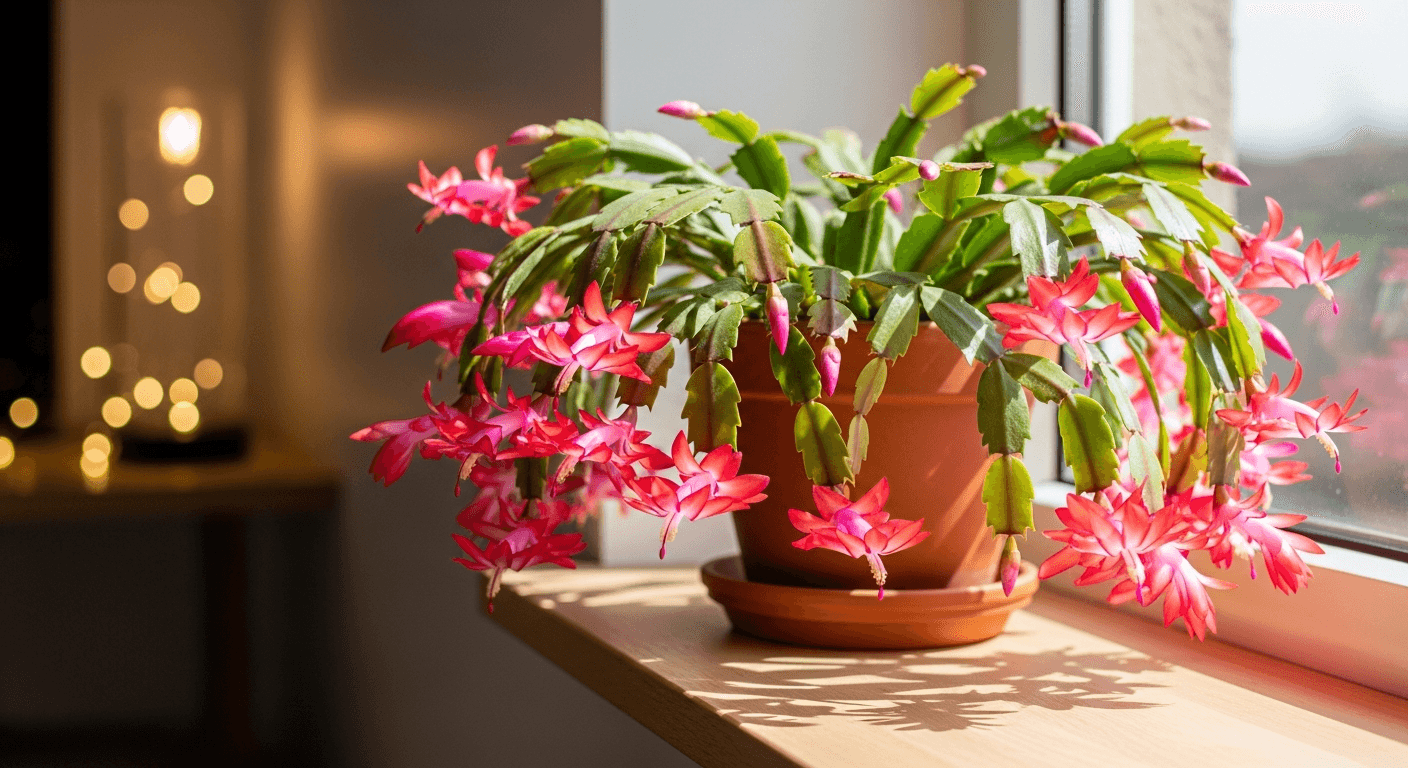
Christmas Cactus: Care and How to Make It Bloom
Christmas cactus (Schlumbergera) care guide: it's a jungle cactus, not a desert one. Light, watering, soil and the cool-and-dark trick to make it flower.
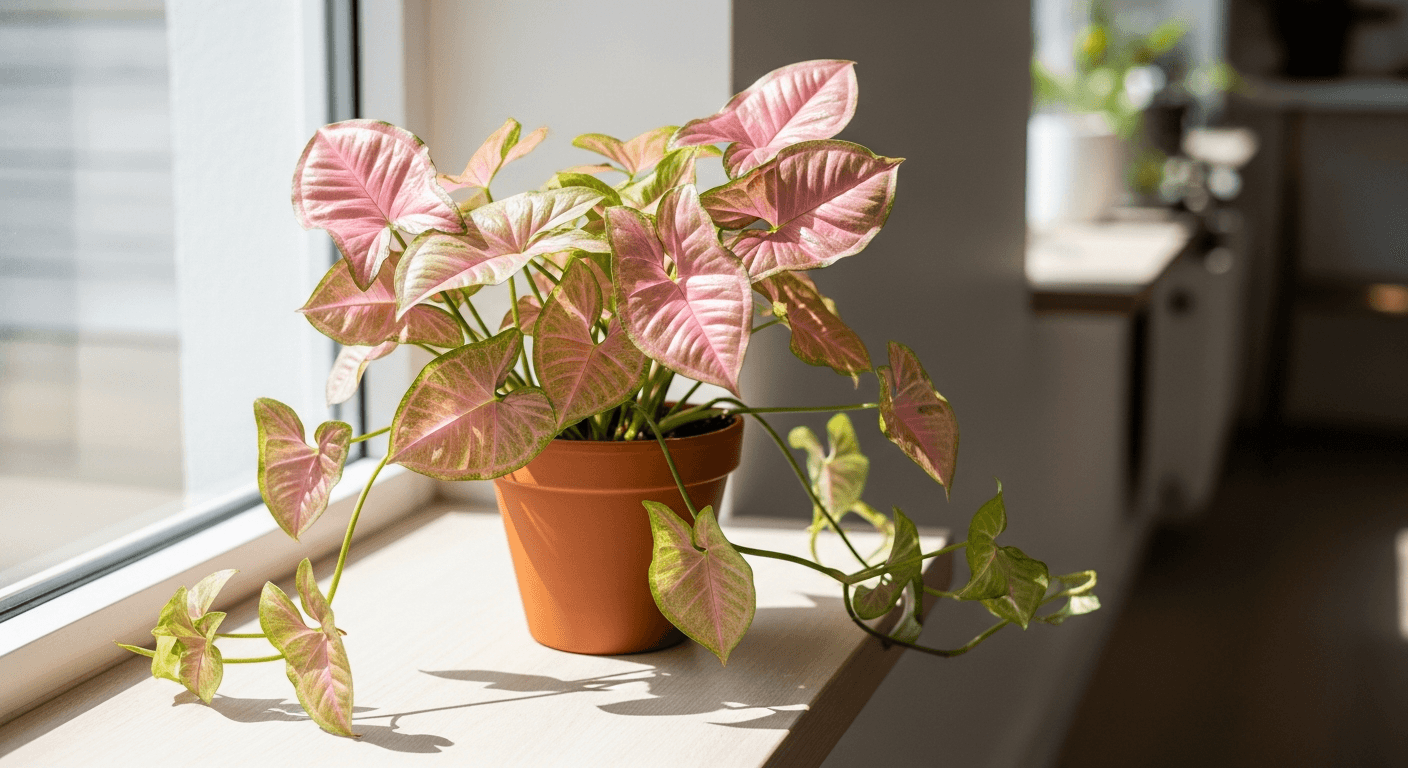
Syngonium (Arrowhead Plant): Care Guide
How to care for syngonium (arrowhead plant): light for variegation, watering, training it to climb or stay bushy, easy propagation, and toxicity to pets.
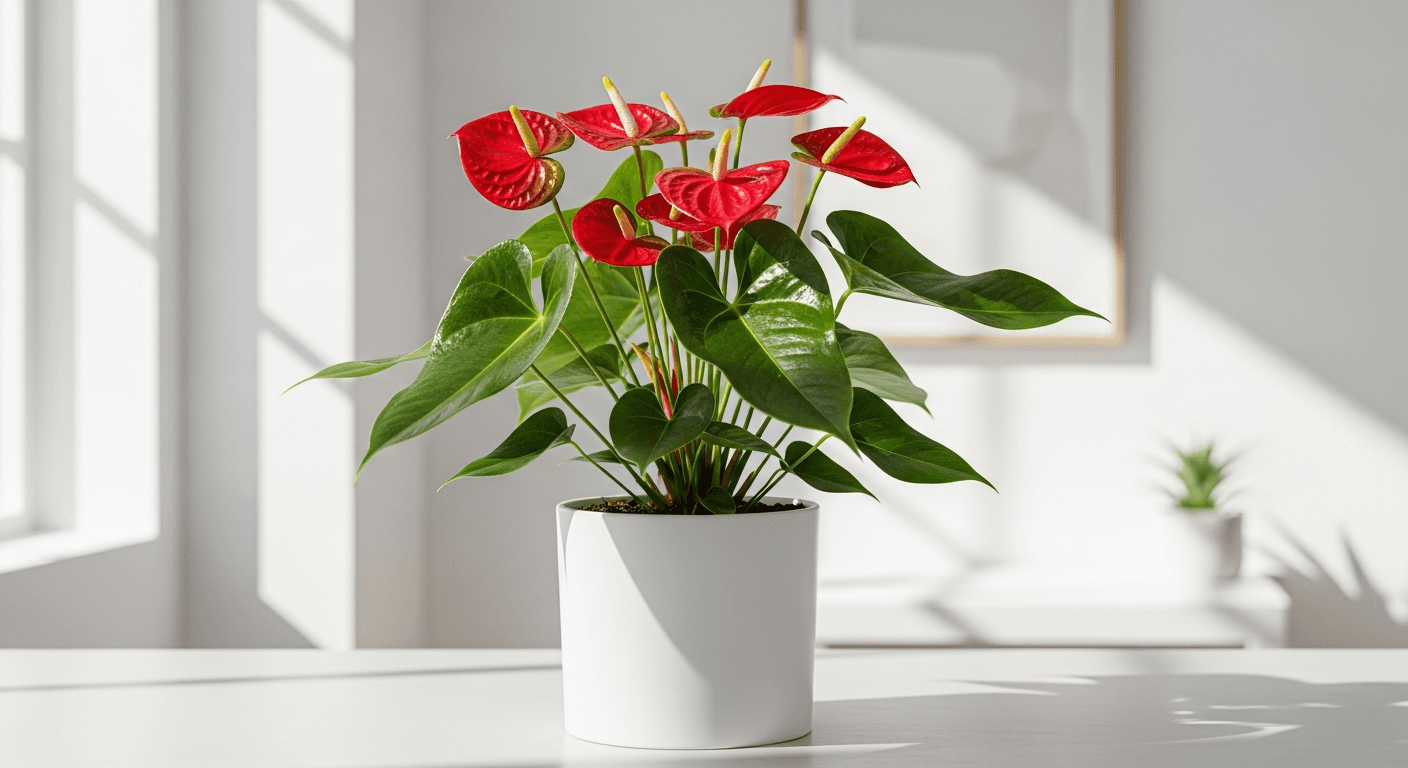
Anthurium Care: How to Keep the Flamingo Flower Blooming
Care for the anthurium or flamingo flower: light, watering, humidity, how to keep its glossy red spathes blooming year-round and its toxicity to pets.
Trouble with your plant?
AI diagnosis