Bird of Paradise: Why It Takes Years to Flower
Strelitzia (bird of paradise) care: lots of bright light, watering, why the leaves split naturally, and how to get it to bloom indoors. Full guide.
In this article
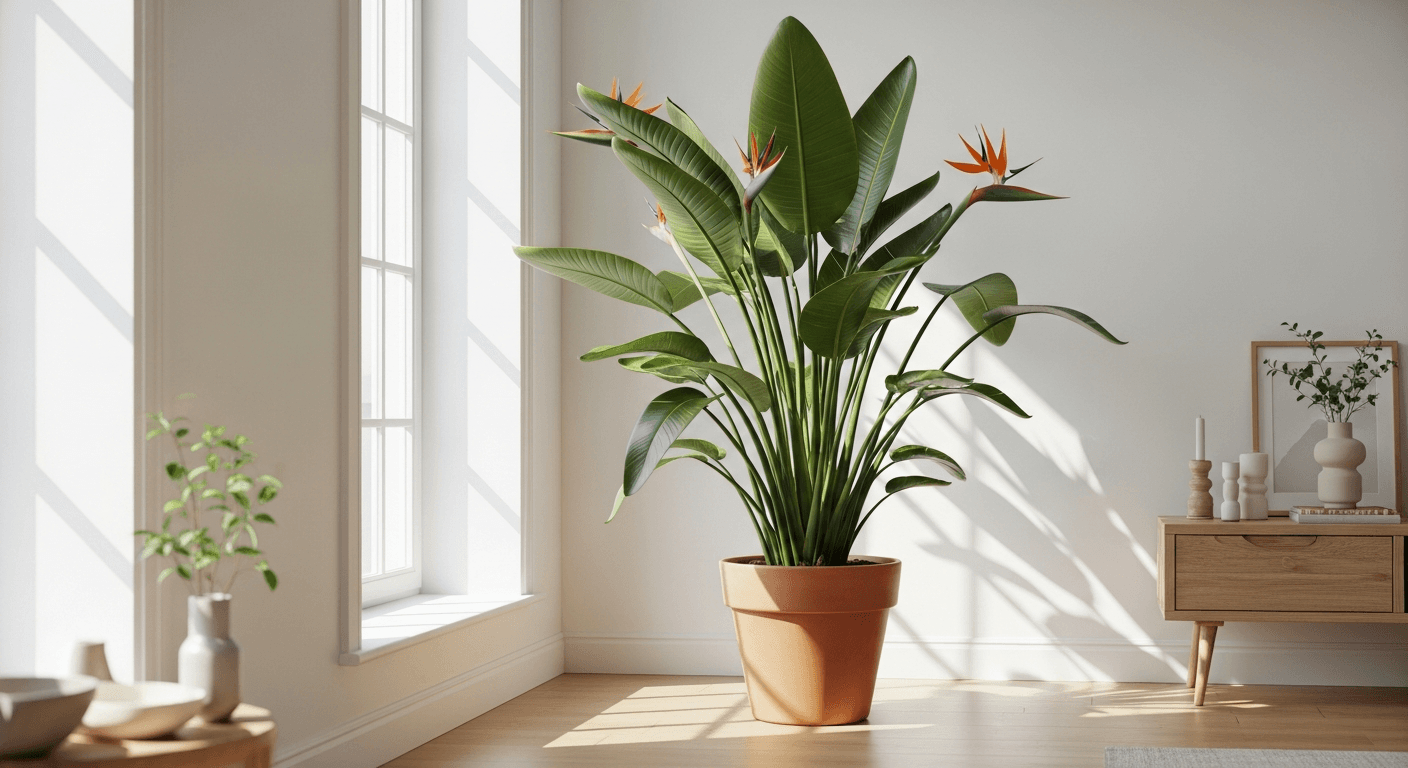
The bird of paradise (Strelitzia) is one of the most striking houseplants there is. Its big paddle-shaped leaves bring a tropical-jungle feel, and its flower — orange and blue, like the head of an exotic bird — is one of the most spectacular a potted plant can produce. Above all, it asks for one thing: light, and lots of it.
Strelitzia nicolai vs reginae
- Strelitzia reginae: the classic, a manageable size with the famous orange and blue flower. This is the one that blooms most readily.
- Strelitzia nicolai: the giant with enormous banana-like leaves, which can top six feet indoors. It flowers white, but rarely indoors.
Is your plant looking off and you are not sure why?
Free AI diagnosisBasic care, point by point
Light: the deciding factor
The bird of paradise needs all the light you can give it. It's one of the few houseplants that even appreciates some gentle direct morning sun.
- Ideal: the brightest window in the house, south- or east-facing.
- Tolerates moderate direct sun once acclimated.
- In low light it'll barely grow and will never bloom.
Lack of light is, by far, the number-one reason a bird of paradise won't flower.
Watering
Water generously in spring and summer, when the top 1-2 inches of soil are dry, and let the excess drain away fully. In winter, space waterings out a lot. It likes a wet-then-dry cycle but hates sitting in water.
Golden rule: soak thoroughly, then let it drain; never leave water in the saucer.
Humidity and temperature
It appreciates moderate-to-high humidity. Keep it between 65 and 80 °F and protect it from cold below 50 °F and from drafts. Dust off its big leaves now and then so they can breathe and make the most of the light.
Why do the leaves split?
Many people panic at the sight of split leaves, but it's perfectly normal. In the wild, those splits let wind pass through so the leaves don't tear apart. The more exposed it is to air movement, the more it'll split. It's not a pest or a disease.
Soil and pot
Use a rich, free-draining mix (all-purpose soil with perlite). It's a strong-rooted plant that likes to be a little snug in its pot; in fact, being root-bound encourages flowering, so don't bump it up to a huge pot all at once.
How to get it to bloom
Blooming indoors is hard, but possible if you hit the right combination:
- Maturity: only adult plants, 3-5 years old or more, bloom.
- Intense light: without it, no flower.
- Snug roots: a not-too-large pot stimulates it.
- Feed with a phosphorus- and potassium-rich fertilizer in spring and summer.
- Patience: give it time and consistent light.
If you're after more big plants to fill a corner, you'll like our guide to the best large indoor plants.
Propagation
The easiest way to multiply a bird of paradise is by division. When you repot a large, mature clump, you can gently separate it into sections, making sure each one keeps a good chunk of roots and at least one fan of leaves. Pot each division separately and keep it warm and bright. Expect a slow recovery: divisions sulk for a while before pushing new growth. Growing from seed is possible but very slow, often taking several years to reach flowering size.
Quick care table
| Care | Bird of paradise |
|---|---|
| Light | As much as possible; some direct sun |
| Water | Soak and dry; never soggy |
| Humidity | Medium-high |
| Difficulty | Medium |
| Pets | Mildly toxic |
Given its size, the Strelitzia belongs squarely on the list of best large indoor plants, where it competes with the monstera and the fiddle leaf fig. All three want the same thing: plenty of indirect light and room to spread, so look over the light guide before you pick its corner.
Common problems
- Brown, dry leaf edges: very dry air or hard, calcium-rich water.
- Yellow leaves: usually overwatering.
- New leaves that don't unfurl well: not enough light or humidity.
- No flowers: too little light or a still-young plant.
Not sure whether it's watering, light or a pest? Upload a photo to our AI diagnosis tool to narrow down the cause.
Is it toxic?
Yes, mildly so for dogs and cats: the seeds and sap can cause digestive upset if chewed. Keep the flowers and seeds out of their reach.
With the brightest window in the house, generous but well-drained watering and a little patience, the bird of paradise will become the absolute centerpiece of your living room.
Related articles
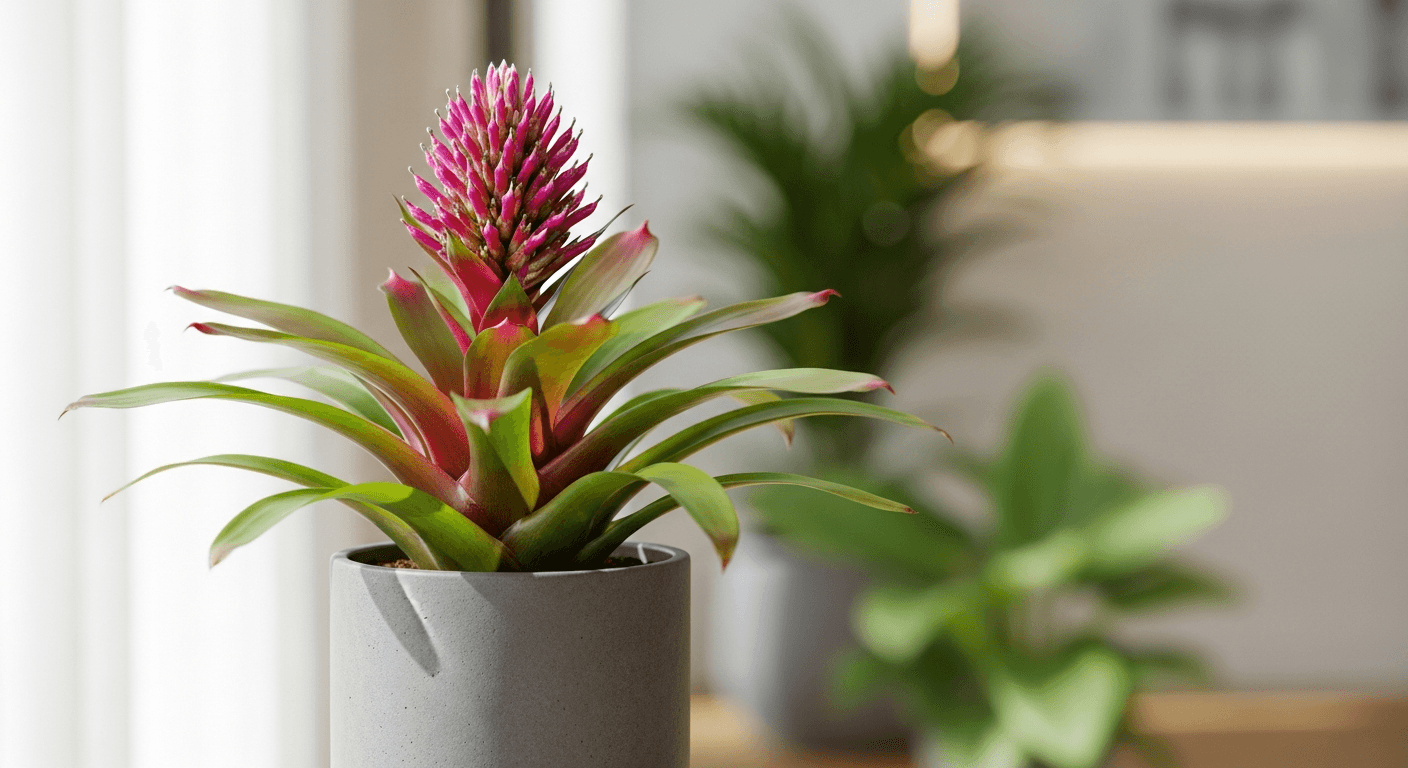
Bromeliad Care: Watering the Central Cup and Pups
Bromeliad care: watering the central cup, bright indirect light, humidity and what to do with the pups when the plant flowers and dies. Full guide.
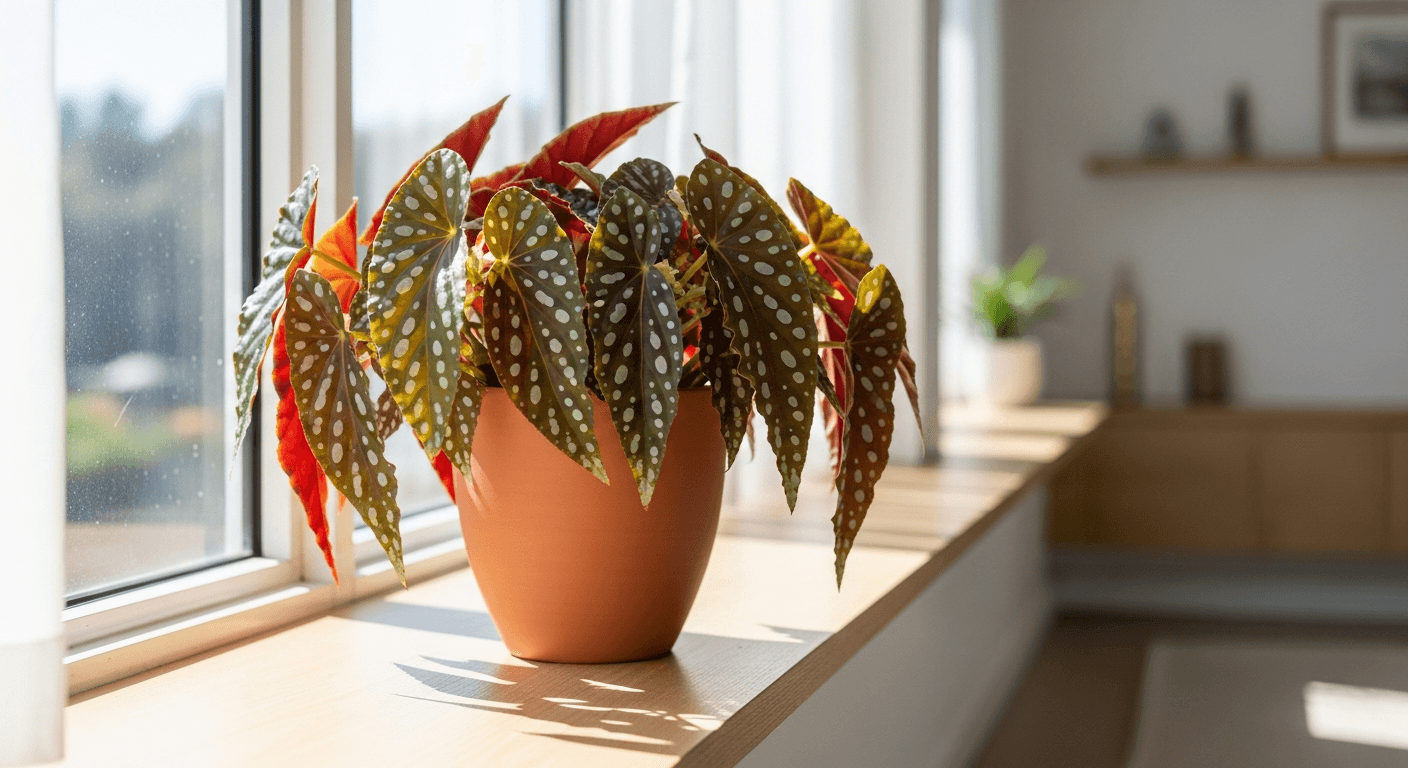
Begonia Care: Rex and Maculata (Polka Dot) Begonias
Begonia rex and maculata care: bright indirect light, watering without wetting the leaves, humidity, propagation and why it's toxic to pets. Full guide.
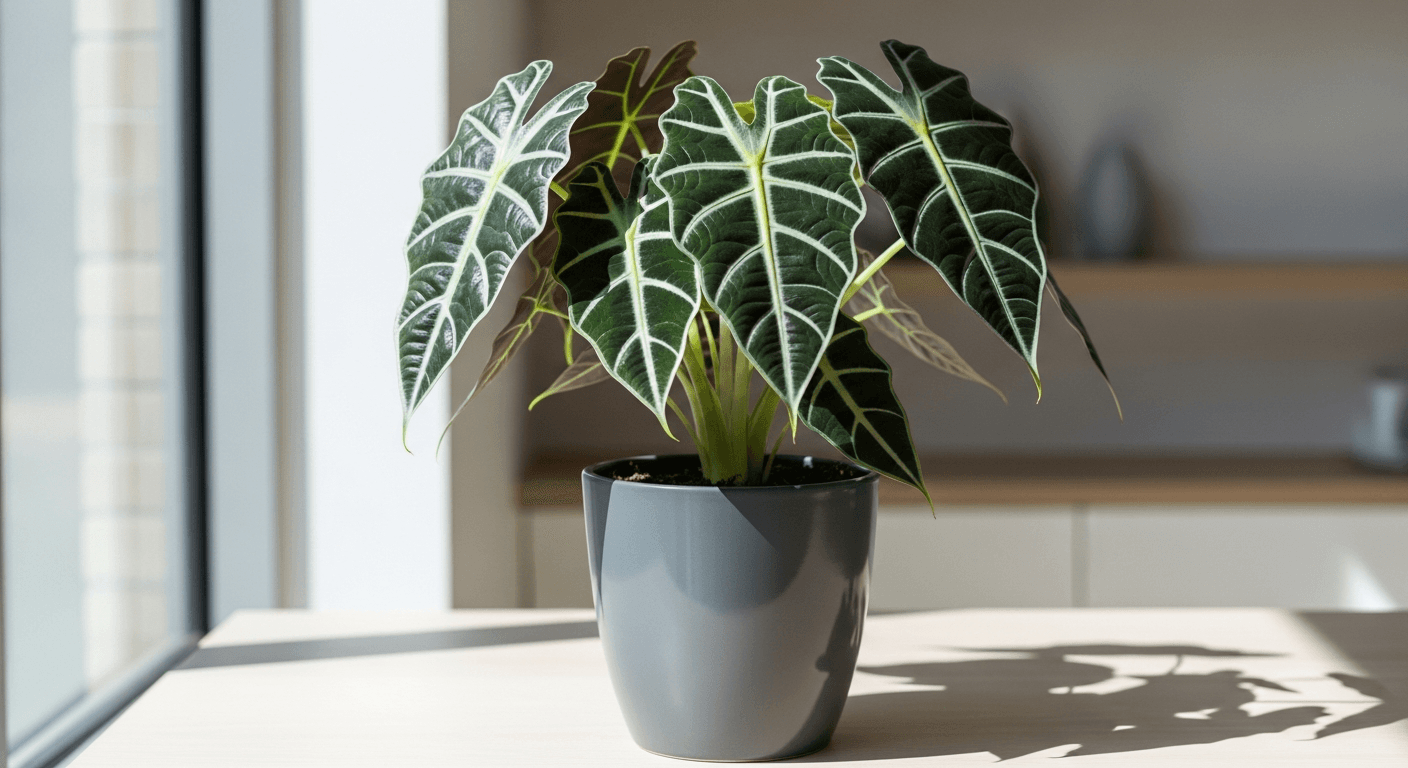
Alocasia (Elephant Ear): Care Guide
How to care for alocasia (elephant ear, Polly): bright indirect light, consistent watering, high humidity, winter dormancy, pests, and toxicity to pets.
Trouble with your plant?
AI diagnosis