Bromeliad: You Water the Cup, Not the Soil
Bromeliad care: watering the central cup, bright indirect light, humidity and what to do with the pups when the plant flowers and dies. Full guide.
In this article
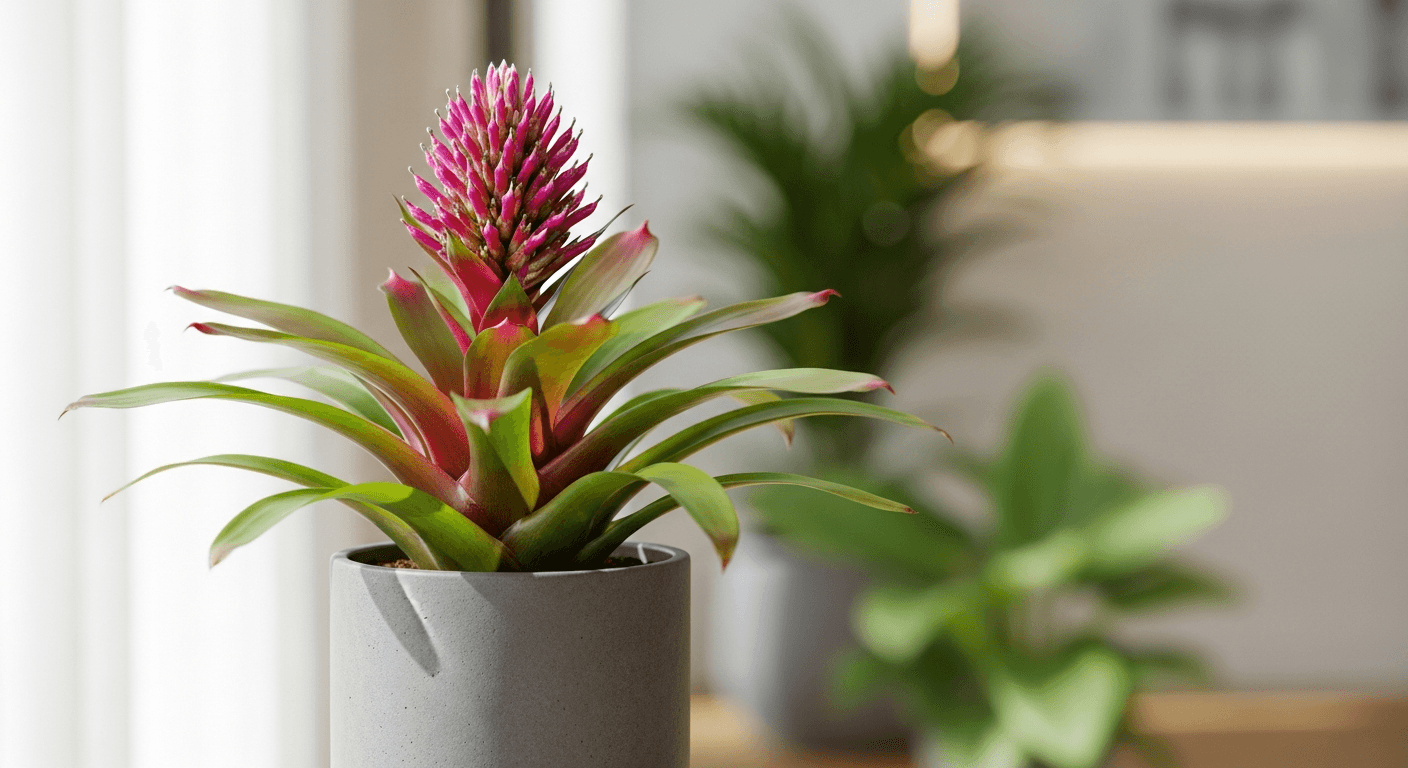
The bromeliad brings an instant tropical touch with its rosette of glossy leaves and its spectacular, intensely colored central flower. It's a plant unlike any other: it's watered in a peculiar way and has a very special life cycle. Once you understand how it works, it's one of the easiest, most rewarding plants you can grow. Here's the guide.
| Care | Need |
|---|---|
| Light | Bright indirect, no direct sun |
| Watering | In the central cup, not the soil |
| Humidity | Above 50% |
| Temperature | 65-80 °F |
| Toxicity | Non-toxic to dogs and cats |
What a bromeliad is like
Many indoor bromeliads (like Guzmania, Aechmea or Vriesea) are epiphytes: in the wild they live on trees, not in the ground, taking up water and nutrients through their leaves. That's why they form a central "cup" or tank that collects rainwater. The showy flower that lasts for months is actually a cluster of colored bracts.
Is your plant looking off and you are not sure why?
Free AI diagnosisBasic care, point by point
Light
- Ideal: bright, indirect light by a window without direct sun.
- Tolerates: some shade, though the colors fade.
- Avoid: strong direct sun, which scorches the leaves and bleaches the flower.
The more light (always indirect), the brighter the bract colors will be.
Watering: the central cup trick
This is the big difference from other plants:
- Fill the central cup with water, ideally rainwater, distilled or low in lime, and keep an inch or so in it at all times.
- Refresh that water every 1-2 weeks so it doesn't rot or smell.
- Water the soil very little, only when it's dry; the roots mainly anchor the plant and rot easily.
Golden rule: water goes in the cup, not in the soil. Soaking the potting mix is the most common bromeliad mistake.
Humidity and temperature
Being tropical, it appreciates humidity above 50%. If the air is dry, mist the leaves or group plants together. Keep it between 65 and 80 °F, away from cold drafts and direct heat sources.
Soil
It needs a very airy, free-draining mix: an orchid bark mix, or all-purpose soil with plenty of perlite and coco coir, works well. Never plant it in dense soil that holds water.
The life cycle and the pups
Here's the key fact that surprises everyone: a bromeliad flowers only once in its life. After flowering, the mother plant slowly begins to decline over several months. It's not that you cared for it badly — it's its natural cycle.
But it doesn't end there. Before it dies, it produces pups (small offshoots) at the base:
- Let each pup grow to about a third of the mother's size.
- Separate it with a clean cut, keeping some root if it has any.
- Plant it in its own pot with an airy mix.
- In 1-3 years, each pup will flower and repeat the cycle.
Pups are the natural way to multiply it; if you want the general method for the rest of your plants, it's in how to propagate plants. And if this family appeals to you, air plants are its most extreme relatives: they live on air alone, with no soil at all.
Common problems
- Brown tips: hard, lime-rich water or dry air; use rainwater.
- Soft leaves and a rotting base: too much water in the soil.
- Fading flower: normal after months; focus on the pups.
- Mealybugs in the leaf axils: check them carefully. If in doubt, upload a photo to our AI diagnosis tool.
Is it toxic?
Good news: most bromeliads are considered non-toxic to dogs and cats, making them a safe tropical choice in a home with pets.
If you like epiphytic plants that live on air and humidity, you'll love air plants (tillandsias), close relatives of the bromeliad. With indirect light, a cup that's always topped up and patience with the pups, you'll enjoy bromeliads for generations.
Related articles
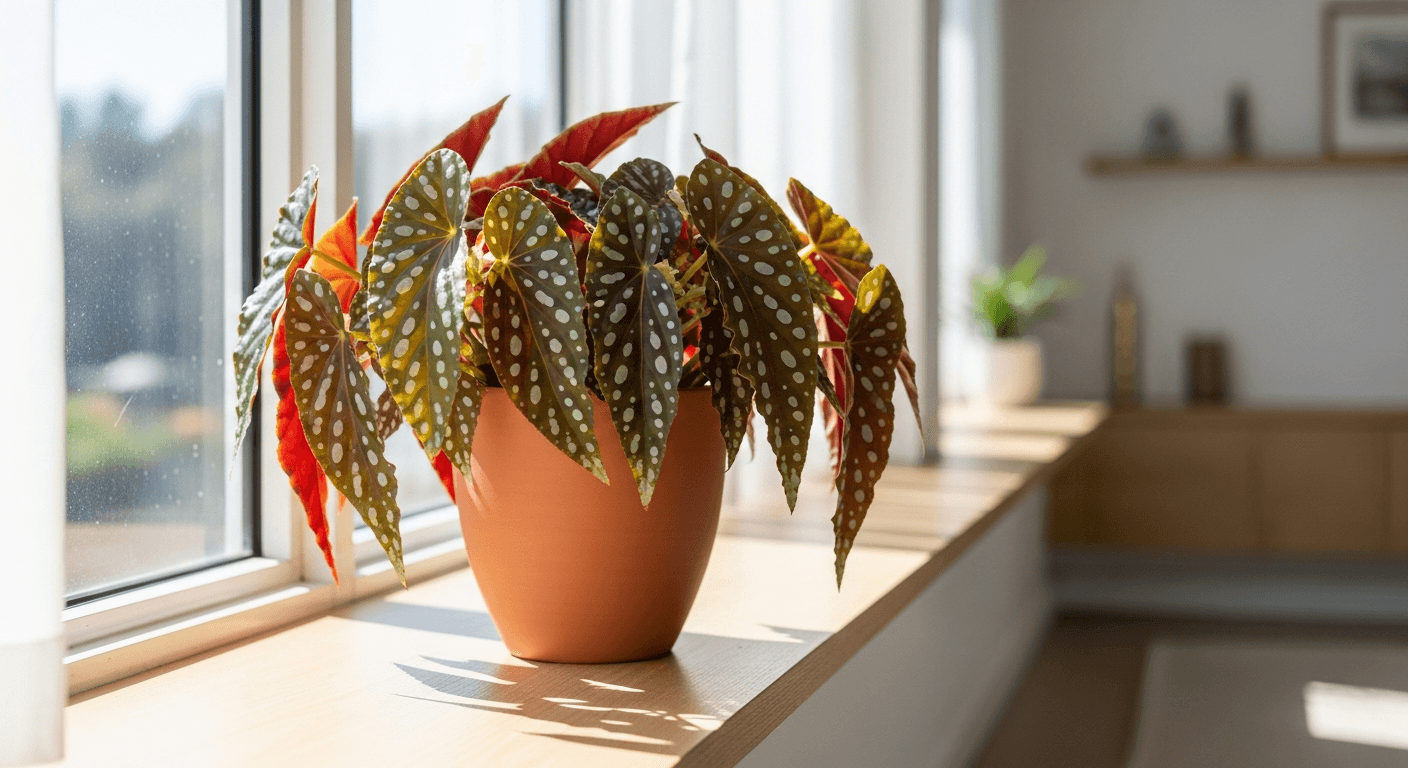
Begonia Care: Rex and Maculata (Polka Dot) Begonias
Begonia rex and maculata care: bright indirect light, watering without wetting the leaves, humidity, propagation and why it's toxic to pets. Full guide.
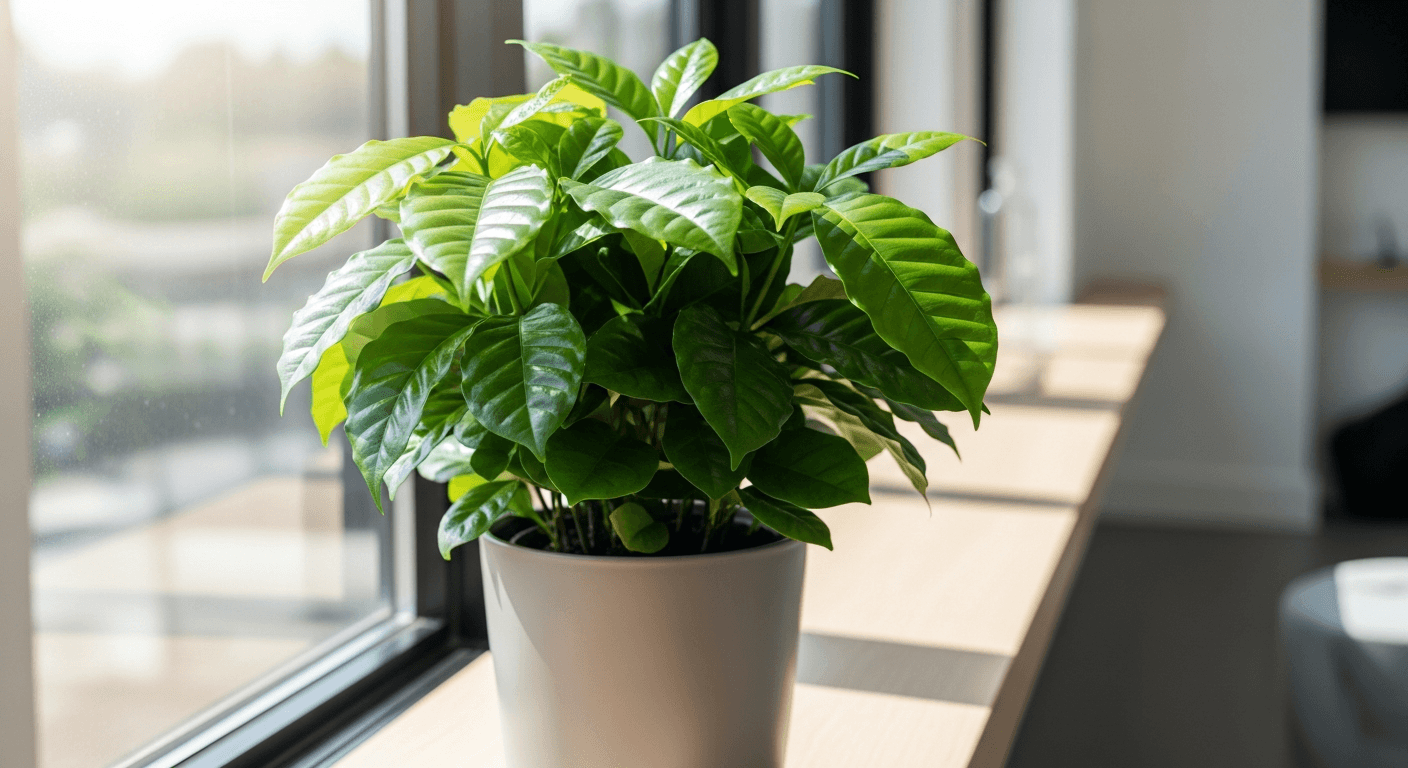
Coffee Plant Care: Growing Coffea at Home
Coffee plant (Coffea arabica) care as a houseplant: bright indirect light, humidity, watering, and whether you can really harvest your own coffee beans.
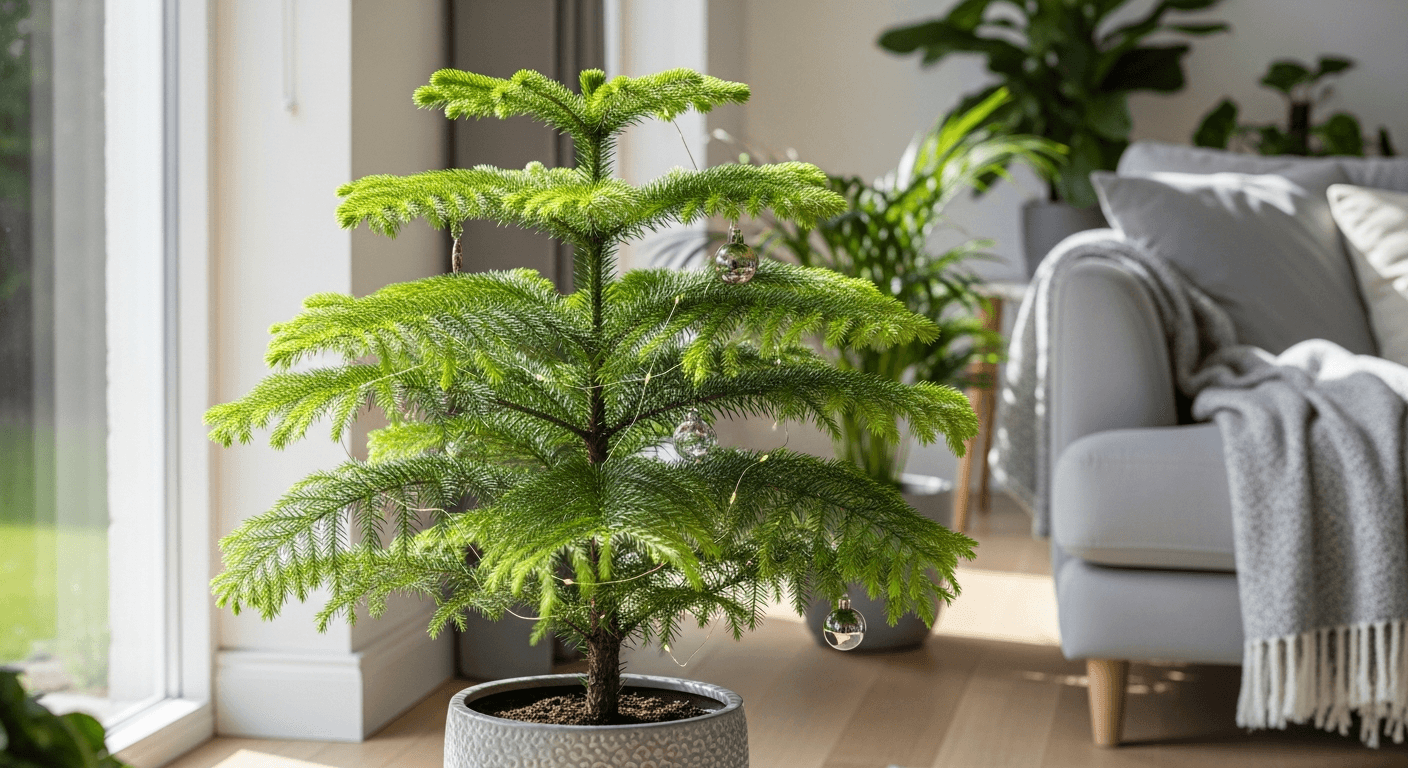
Norfolk Island Pine Care: The Living Christmas Tree
Norfolk Island pine (Araucaria heterophylla) care: light, watering, humidity and why its branches turn brown and drop. The living indoor Christmas tree guide.
Trouble with your plant?
AI diagnosis