Purple Shamrock: Folding Leaves and an Alarming Rest
Care for the purple shamrock (Oxalis triangularis): light, watering, the leaves that fold at night, and how to handle its normal dormancy period.
In this article
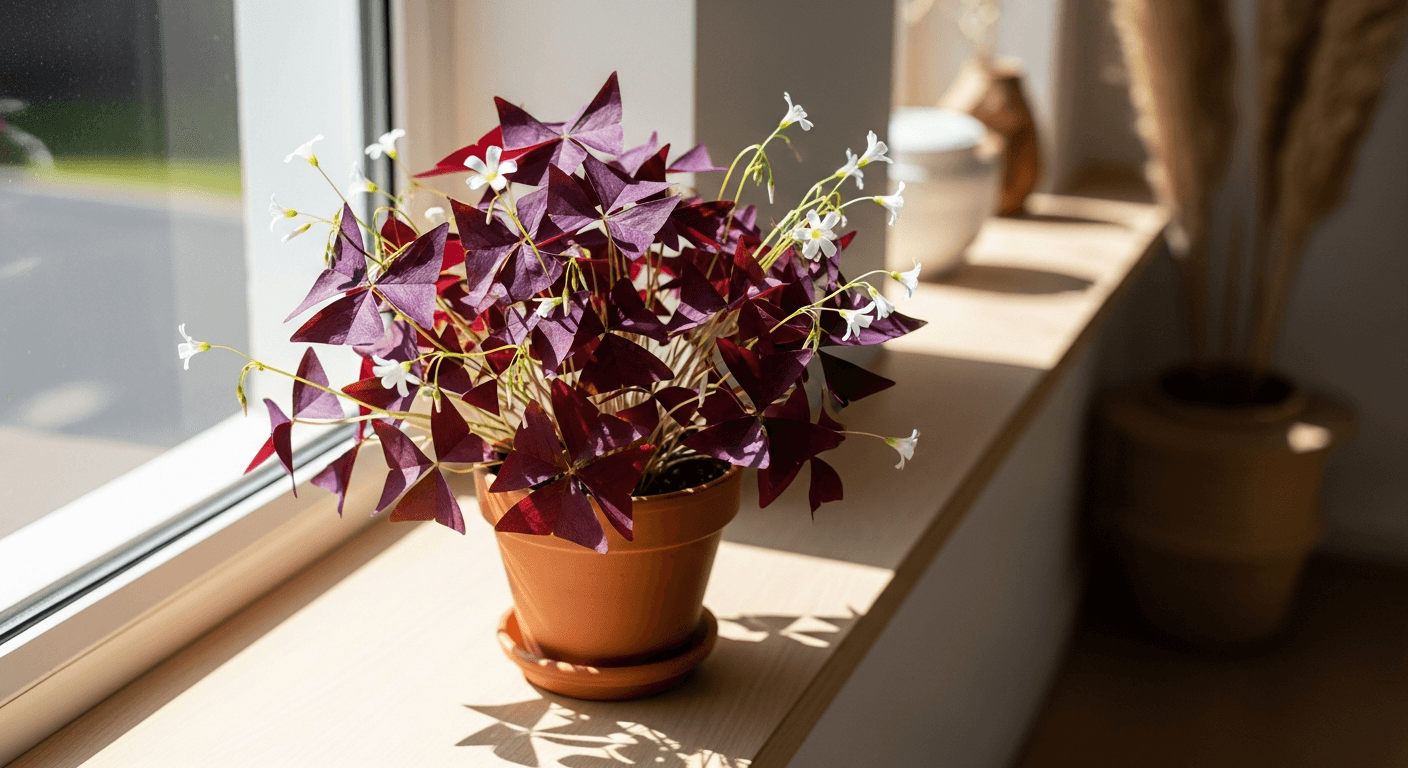
The purple shamrock (Oxalis triangularis) is one of those plants you fall for at first sight: deep purple triangular leaves that open by day and fold up like butterflies at dusk, dotted with delicate white or pink flowers. It grows from small bulbs and is far easier to care for than its delicate looks suggest.
Quick-care snapshot
- Light: bright indirect to keep the purple intense.
- Watering: when the top inch dries; the bulbs rot if overwatered.
- Movement: leaves open by day and close at night (this is normal).
- Dormancy: it may die back and regrow; don't toss it.
- Difficulty: easy. Toxicity: mildly toxic to pets.
Is your plant looking off and you are not sure why?
Free AI diagnosisOrigin and why its leaves move
It comes from South America and grows from bulbous rhizomes underground. Its leaves have a movement called nyctinasty: they open in daylight and close at night or when light is low. This is completely normal — and one of its biggest charms — not a sign of trouble.
Basic care, point by point
Light
- Ideal: bright indirect light; with good light the purple color stays intense.
- It tolerates some gentle direct morning sun.
- In low light the leaves close more, the color weakens, and the plant stretches.
If you notice it losing the purple or getting straggly, move it closer to the window. Our indoor plant light guide helps you pick the spot.
Watering
Water when the top inch of soil is dry. It likes steady moisture while growing, but its bulbs rot easily if the soil stays waterlogged. In winter, cut back on watering.
Rule of thumb: better a little dry than soaked. The bulbs don't forgive overwatering.
Dormancy: it isn't dead
Every so often — often in midsummer or after heavy flowering — the purple shamrock may wilt and dry up almost all its leaves. Don't panic: it's entering a natural rest period.
- Trim off the dry foliage.
- Cut watering right back and leave it somewhere cool for a few weeks.
- Start watering gradually again: within weeks, fresh leaves will push up vigorously.
Understanding this cycle stops you from tossing it out thinking it's died.
Soil and multiplying
Use a well-draining mix. It multiplies on its own: over time the bulb produces more bulblets. To propagate, simply separate the bulbs when repotting and plant them in another pot. It's one of the most rewarding plants to give away.
Temperature
It prefers mild indoor temperatures (60–75 °F / 15–24 °C). It tolerates cool conditions but protect it from frost if you keep it outside.
That dormancy throws a lot of people, who bin the pot thinking it died: it's the same mistake made with the cyclamen, which also vanishes in summer. If you're unsure whether yours is still alive, the guide to reviving a dying plant tells you what signs to look for.
Common problems
- Leaves always closed during the day: not enough light.
- Greenish instead of purple: it needs more light.
- Long, floppy stems: too little light or too much water.
- Sudden die-back: usually its natural dormancy — don't throw it out.
If you can't tell dormancy from a real problem, upload a photo to our AI diagnosis tool to be sure.
Is it toxic?
Yes, mildly: it contains oxalic acid and is toxic to dogs and cats if they eat a lot. It isn't dangerous to handle, but shouldn't be eaten. Keep it out of reach of pets.
With bright light, careful watering and a little patience during its dormancy, the purple shamrock will reward you with its daily dance of purple leaves for many years.
Related articles
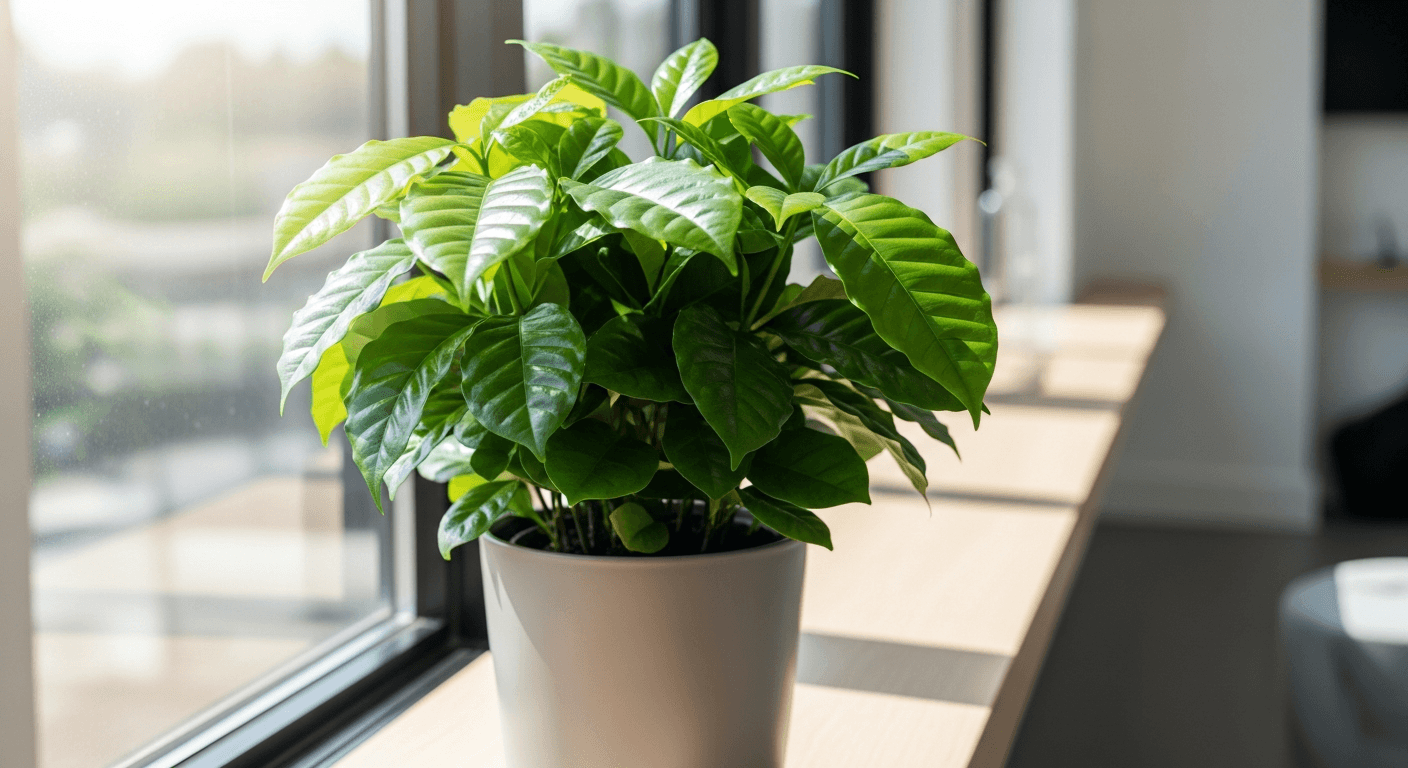
Coffee Plant Care: Growing Coffea at Home
Coffee plant (Coffea arabica) care as a houseplant: bright indirect light, humidity, watering, and whether you can really harvest your own coffee beans.
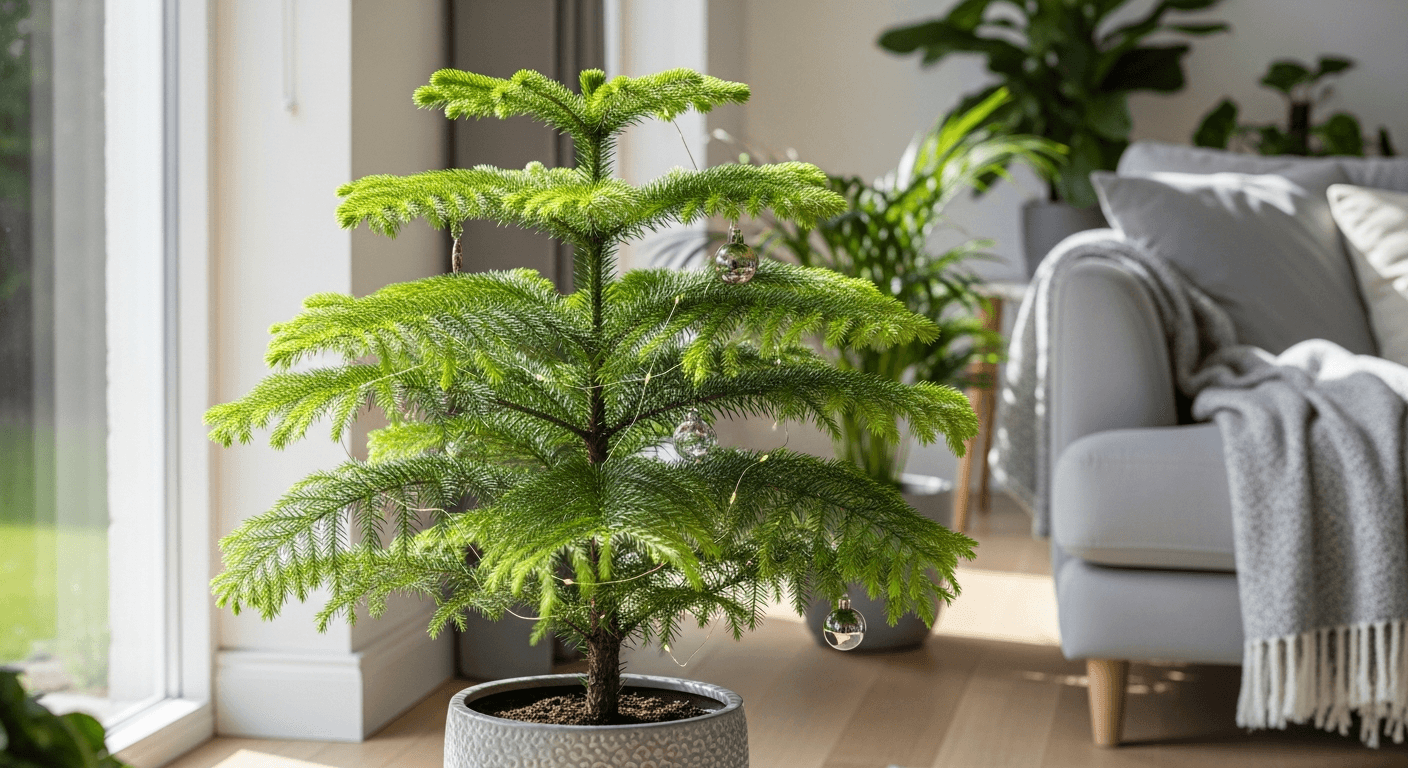
Norfolk Island Pine Care: The Living Christmas Tree
Norfolk Island pine (Araucaria heterophylla) care: light, watering, humidity and why its branches turn brown and drop. The living indoor Christmas tree guide.
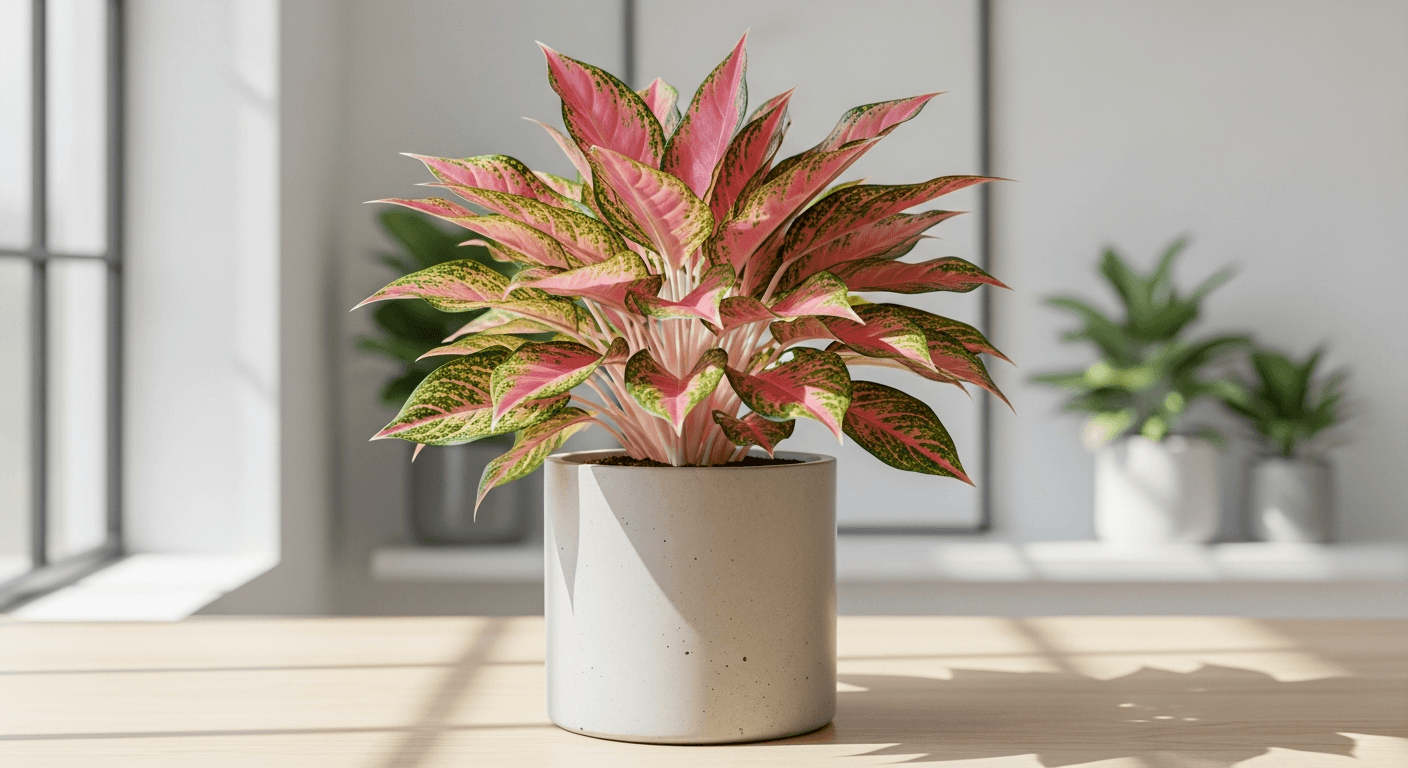
Aglaonema (Chinese Evergreen): The Complete Care Guide
Care guide for the Aglaonema or Chinese evergreen: light for the pink varieties, watering, humidity, propagation by division and its toxicity to pets.
Trouble with your plant?
AI diagnosis