Dieffenbachia: Huge Leaves and Sap to Respect
Dieffenbachia care: medium light, watering, how to clean its big variegated leaves and an important warning about its toxicity. The full care guide.
In this article
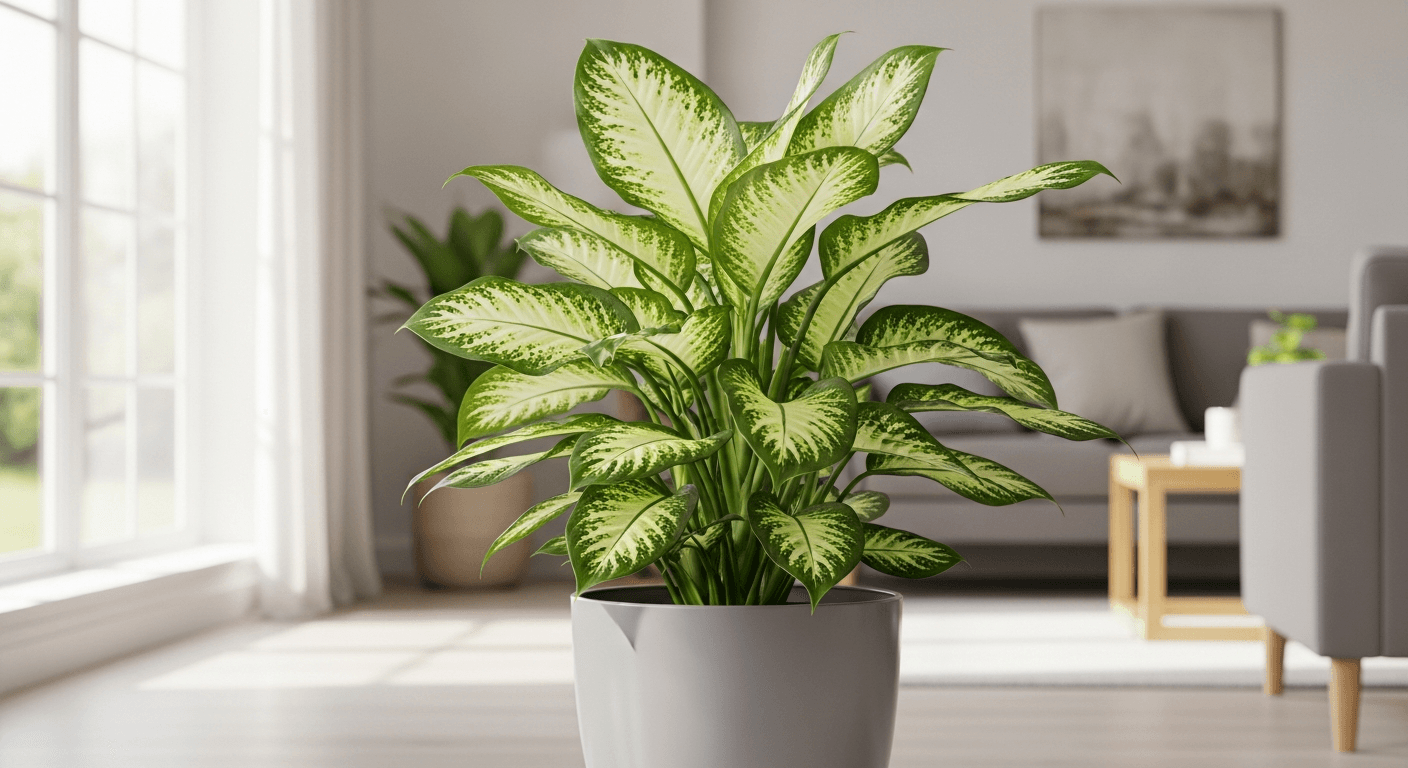
Dieffenbachia (also called dumb cane) is one of the most classic, rewarding houseplants around: large variegated leaves in cream and green that fill any corner with a lush, tropical feel. It's easy to care for, but there's one important detail about its sap you should know before bringing it home. This guide covers everything you need.
| Care | Need |
|---|---|
| Light | Medium to bright indirect, no direct sun |
| Watering | Slightly moist soil, never soggy |
| Humidity | Above 50% |
| Temperature | 65-80 °F |
| Toxicity | Toxic to children and pets |
What dieffenbachia is like
Native to the tropical jungles of the Americas, it grows as an upright cane from which broad, oval leaves emerge. There are many varieties, from nearly white in the center to heavily green-speckled. With good care it can top three feet indoors.
Is your plant looking off and you are not sure why?
Free AI diagnosisBasic care, point by point
Light
- Ideal: medium to bright indirect light, no direct sun.
- Tolerates: lower light, though it will grow slower with less variegation.
- Avoid: direct sun, which scorches and bleaches the leaves.
Rotate the pot every few weeks so it grows straight instead of leaning toward the window.
Watering
Dieffenbachia prefers slightly moist soil, but never soggy.
- Spring and summer: water when the top inch is dry, roughly once a week.
- Autumn and winter: space out watering, letting the surface dry more.
Golden rule: it's easier to bring it back from thirst than from waterlogging, which quickly rots the base of the cane.
Humidity and temperature
Like any good tropical, it appreciates humidity above 50%. If the air is dry from heating, group plants together or use a humidifier. Keep it between 65 and 80 °F and protect it from cold drafts; below 54 °F it suffers.
Soil and repotting
Use an airy, well-draining mix: good all-purpose soil with perlite and a little coco coir. Repot every 1-2 years in spring, into a pot a couple of inches larger, when the roots fill the root ball.
How to clean its big leaves
Its broad leaves collect dust, which dulls the variegation and reduces photosynthesis. Clean them carefully:
- Wipe both sides with a soft, damp cloth, supporting the leaf from below.
- Do it every 2-3 weeks to keep them glossy.
- Wear gloves and wash your hands afterward: its sap is irritating (more on that below).
Important warning: toxicity
This is the point you shouldn't overlook. Dieffenbachia contains calcium oxalates as crystals in its sap. If chewed, it causes intense burning, swelling of the mouth and throat and temporary difficulty speaking — hence the nickname dumb cane.
- Keep it out of reach of children and pets.
- Wear gloves when pruning or repotting and avoid touching your eyes.
- If there's contact or ingestion, rinse with water and consult a doctor or vet.
It's not cause for alarm, but it is reason to place it thoughtfully at home.
If there are pets or small children at home and you'd rather not risk it, pet-safe plants has lookalike alternatives with no oxalates. And to keep that big, glossy foliage looking its best, follow the guide on cleaning leaves.
Common problems
- Yellow leaves: usually overwatering; check the drainage.
- Brown tips and edges: dry air or hard, lime-rich water.
- Soft stem at the base: rot from waterlogging; cut back to healthy tissue and re-root.
- Pests (spider mites, mealybugs): check the undersides. If in doubt, upload a photo to our AI diagnosis tool.
If you have pets at home, you'll want our pet-safe plants guide to pair dieffenbachia with non-toxic options. With medium light, careful watering and the right precautions, dieffenbachia is a spectacular, very long-lived plant.
Related articles
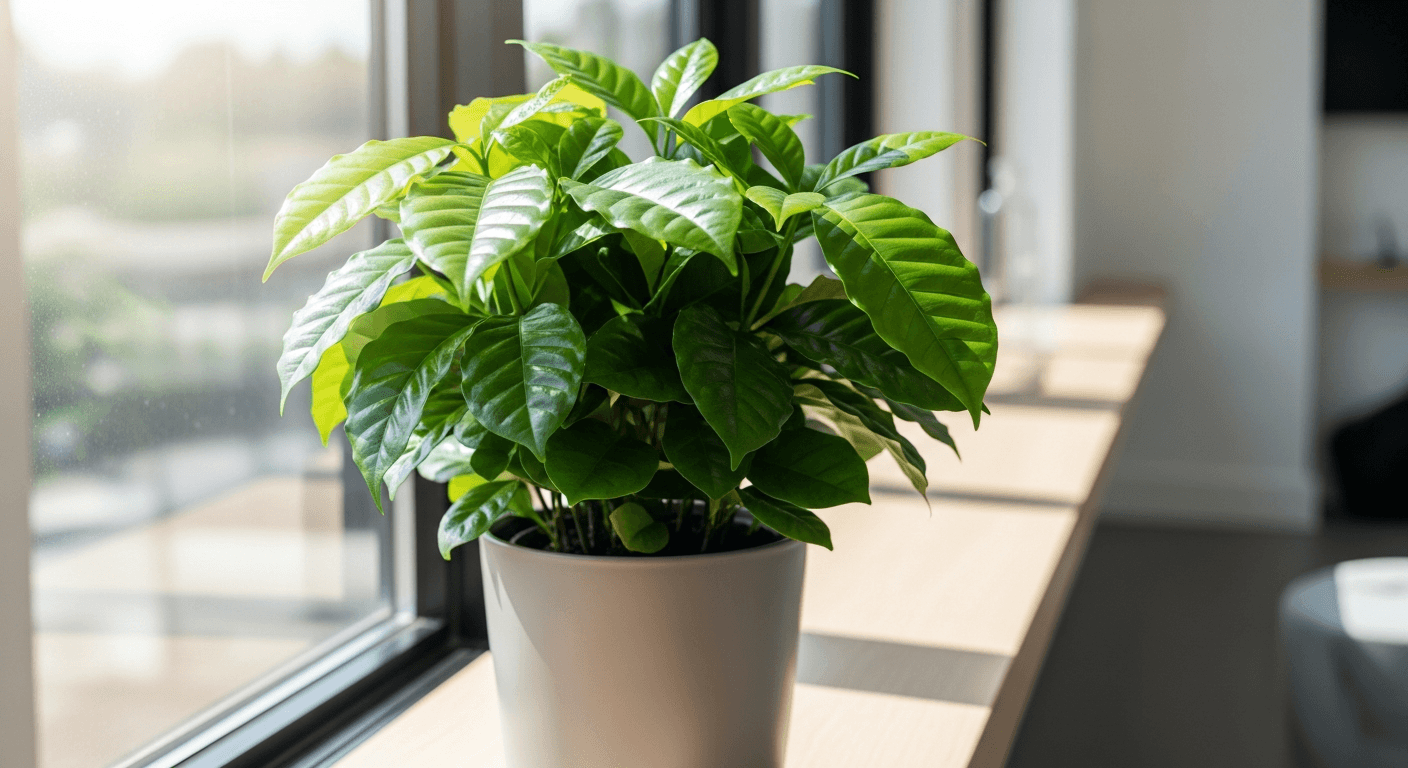
Coffee Plant Care: Growing Coffea at Home
Coffee plant (Coffea arabica) care as a houseplant: bright indirect light, humidity, watering, and whether you can really harvest your own coffee beans.
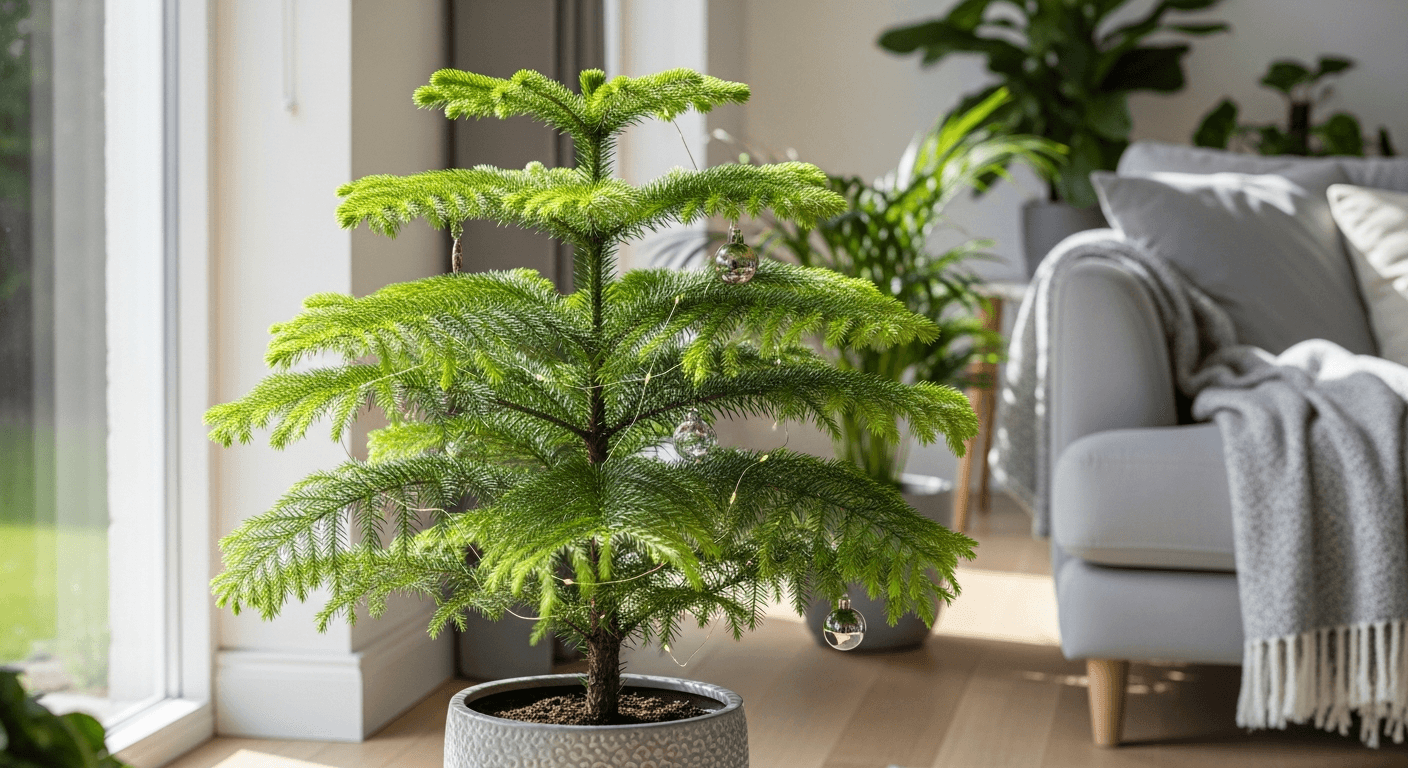
Norfolk Island Pine Care: The Living Christmas Tree
Norfolk Island pine (Araucaria heterophylla) care: light, watering, humidity and why its branches turn brown and drop. The living indoor Christmas tree guide.
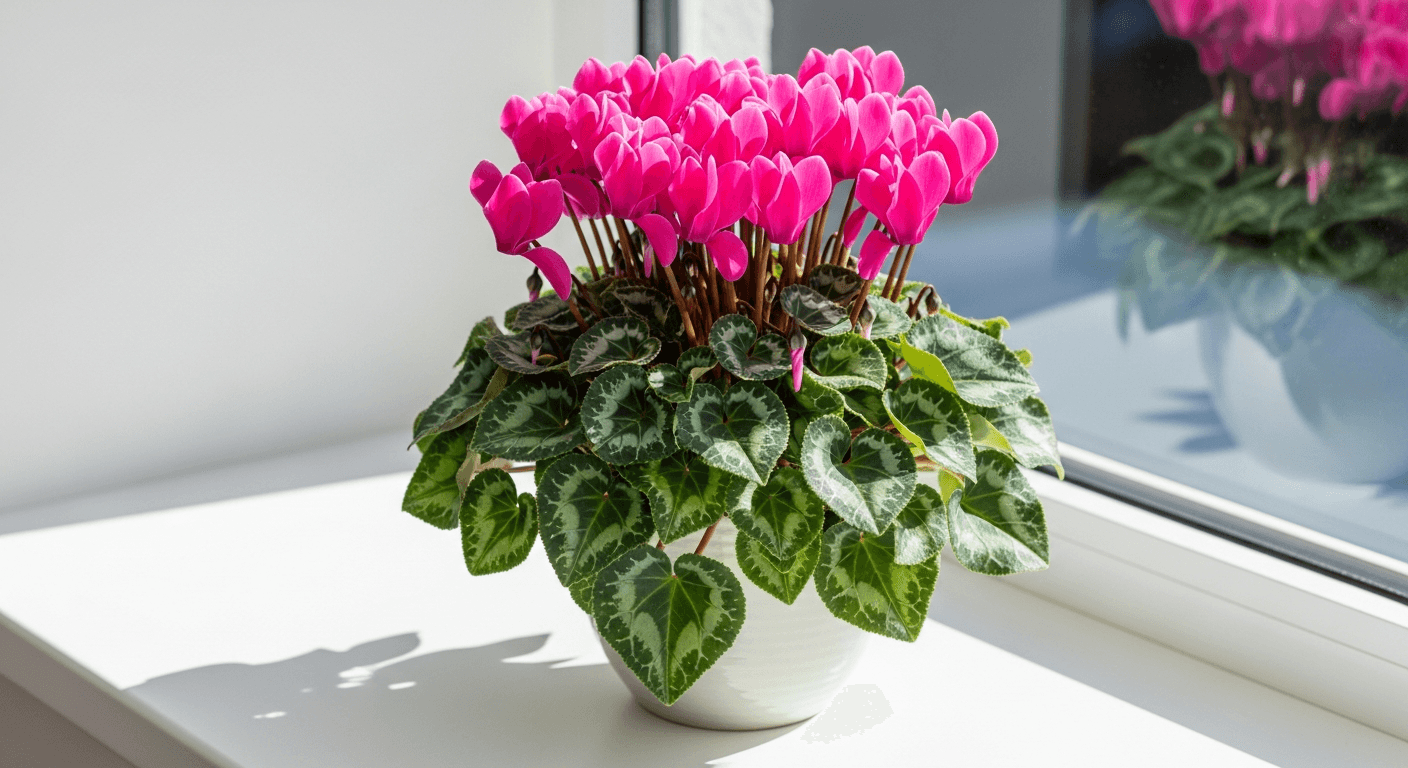
Cyclamen Care: Keep It Blooming All Winter
Cyclamen care so it blooms all winter: cool temperatures, light, watering from below to avoid crown rot, and how to handle its summer dormancy.
Trouble with your plant?
AI diagnosis