Asparagus Fern: Not a Fern, Which Is Why It Copes
Asparagus fern care guide: bright indirect light, high humidity, watering, why it drops its feathery needles, and why it's mildly toxic to pets.
In this article
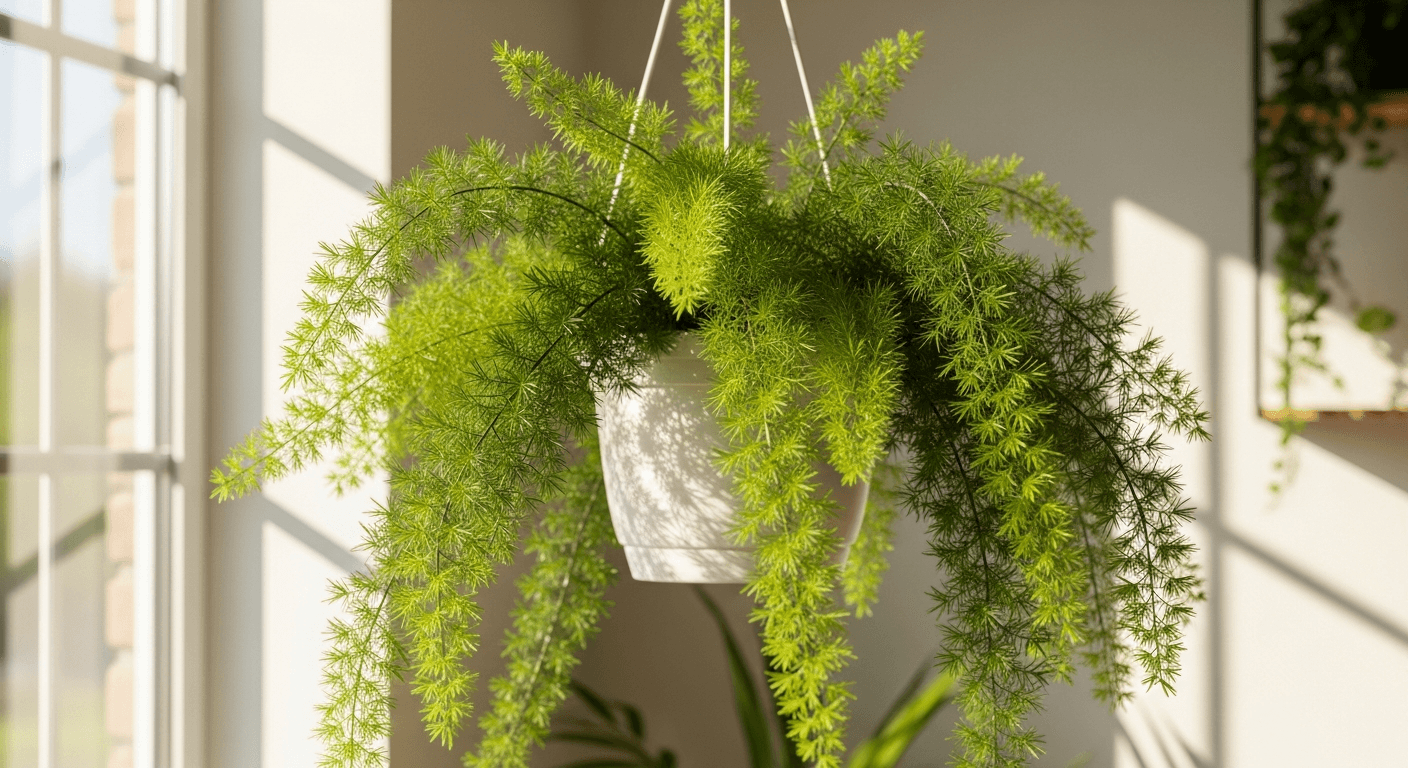
The asparagus fern, with its soft, cloud-like foliage, looks like a delicate fern — but it isn't one: it's actually an Asparagus, a relative of the vegetable you eat. That identity explains why it's far tougher than it looks. It's perfect for a hanging basket or for adding green volume to a shelf.
Quick-care snapshot
- Light: bright indirect; avoid harsh direct sun.
- Watering: keep the soil lightly moist; don't let it dry out completely.
- Humidity: high; this is its most delicate point.
- Temperature: warm indoor room, no frost.
- Difficulty: easy. Toxicity: mildly toxic (berries and sap).
Is your plant looking off and you are not sure why?
Free AI diagnosisFern or not? Origin and types
Despite the common name, it's not a true fern: it doesn't reproduce by spores but by seeds, and it has tuberous roots that store water. It comes from South Africa. The two most common houseplant varieties are:
- Asparagus setaceus (lace fern): layered, horizontal foliage, very elegant.
- Asparagus densiflorus 'Sprengeri': bushier and arching, great for hanging.
Basic care, point by point
Light
- Ideal: bright indirect light.
- Tolerates some shade, but grows thinner.
- Avoid harsh direct sun, which yellows and scorches the fine foliage.
Watering
Keep the soil lightly moist in spring and summer, without waterlogging. Its tuberous roots give it a small water reserve, so it forgives the odd missed watering better than a true fern. In winter, cut back and let the top layer dry out between waterings.
The classic mistake is letting it dry out completely: prolonged drought makes it shed its needles all at once.
Humidity: its weak spot
This matters most. In dry rooms, especially with heating, its very fine "leaves" (really cladodes) dry out and drop, leaving bare stems. To keep it lush:
- Mist regularly or use a humidifier.
- Group it with other plants.
- Keep it away from radiators and dry drafts.
If the tips turn brown, it's almost always lack of humidity. Our humidity for plants guide has simple tricks.
Soil and repotting
Use a well-draining general potting mix. It grows vigorously and its tuberous roots fill the pot fast — even bulging it out — so repot every 1-2 years into a slightly larger container. Use repotting time to divide the clump if you like.
Propagation
The most reliable method is division: split the plant into sections, each with roots and stems, and pot them separately. It also grows from the seeds in its small red berries, though that's slower.
Pruning
If stems get straggly or dry out, cut them right back to the base without worry: it regrows strongly. A clean-up prune in spring rejuvenates it.
Common problems
- Lots of dropped needles: lack of humidity or water, or a sudden change of location.
- Yellow foliage: too much sun or water.
- Brown tips: dry air.
If you can't pin down the cause, upload a photo to our AI diagnosis tool. And if you like feathery-looking plants, compare its care with the Boston fern.
Is it toxic?
Yes, mildly. Its berries are toxic if eaten and contact with the foliage can irritate sensitive skin. Keep it away from pets and children, and wear gloves when pruning.
With bright indirect light, good humidity and regular watering, the asparagus fern will give you a cloud of green all year with very little effort.
Related articles
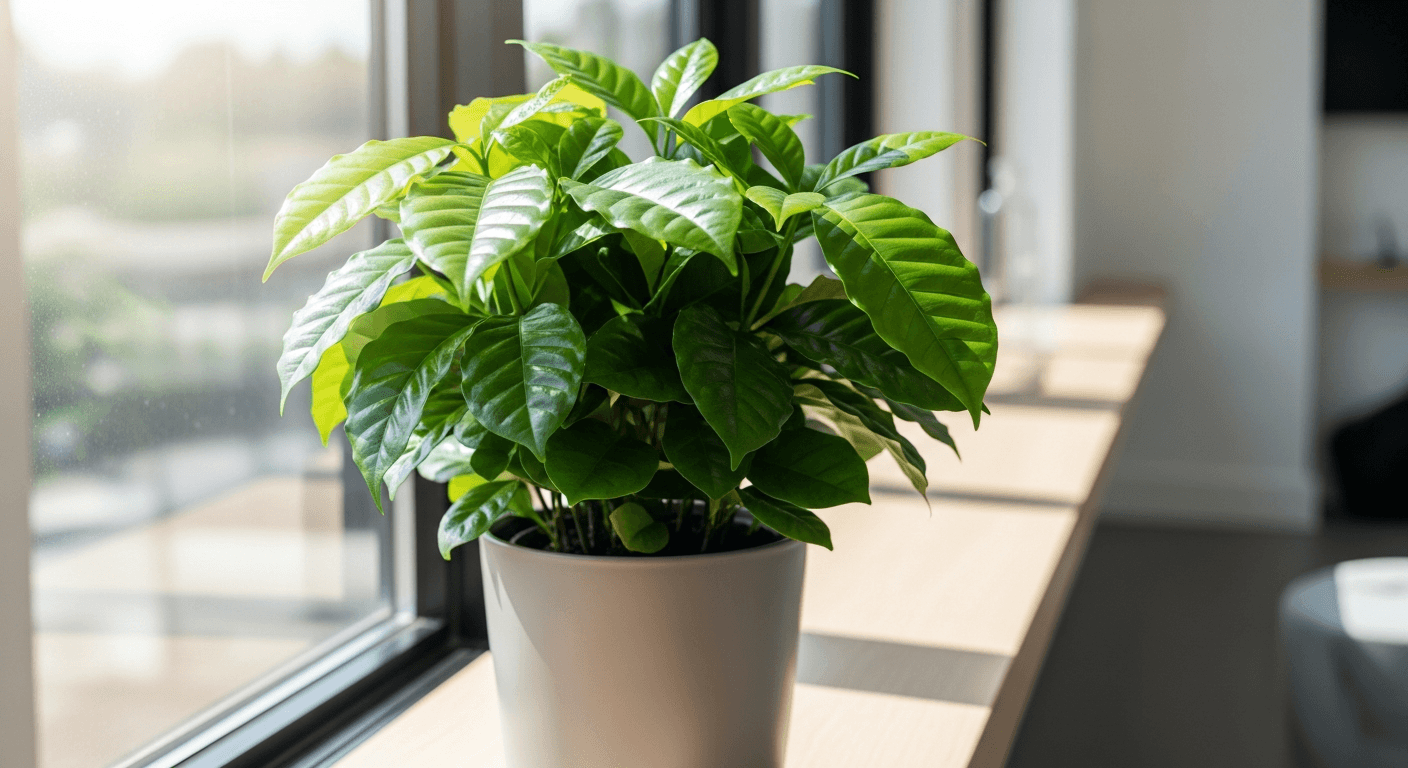
Coffee Plant Care: Growing Coffea at Home
Coffee plant (Coffea arabica) care as a houseplant: bright indirect light, humidity, watering, and whether you can really harvest your own coffee beans.
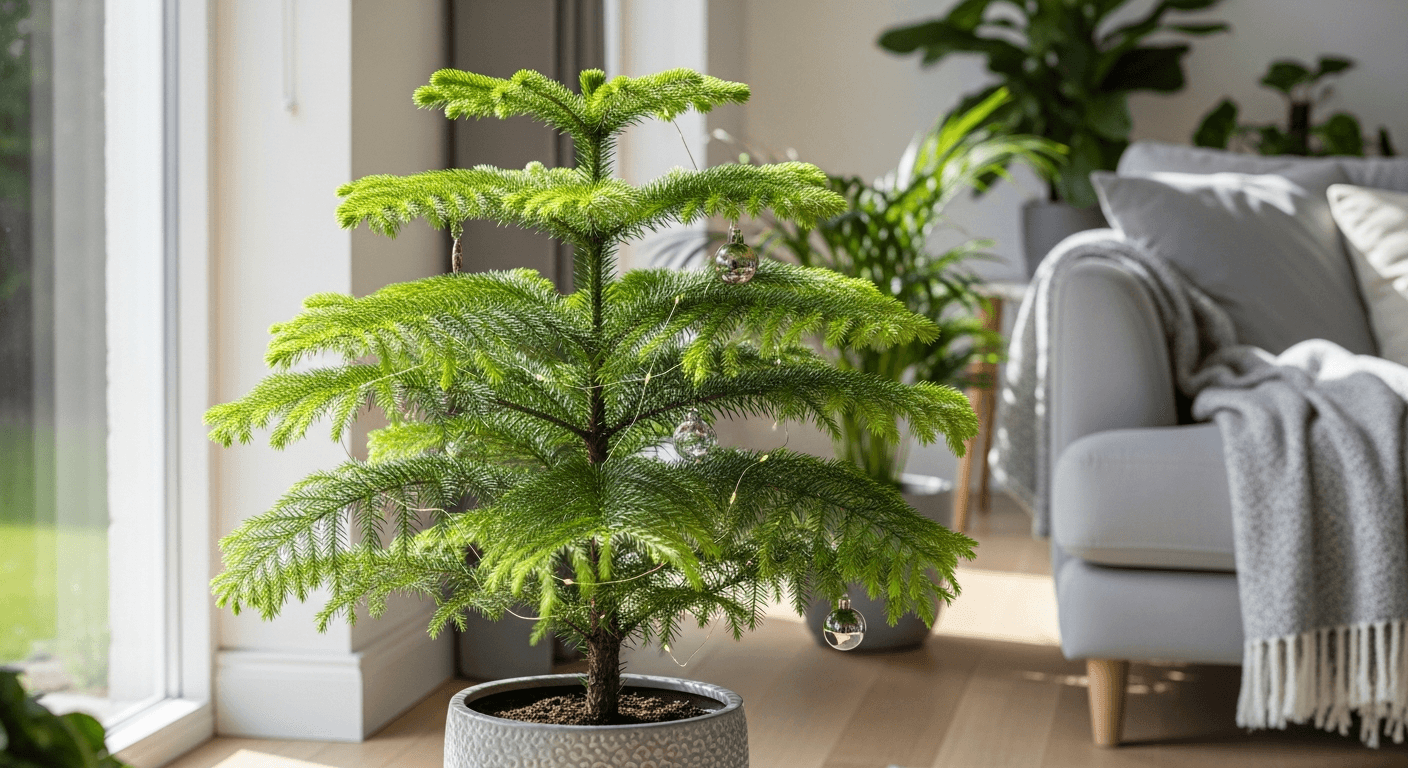
Norfolk Island Pine Care: The Living Christmas Tree
Norfolk Island pine (Araucaria heterophylla) care: light, watering, humidity and why its branches turn brown and drop. The living indoor Christmas tree guide.
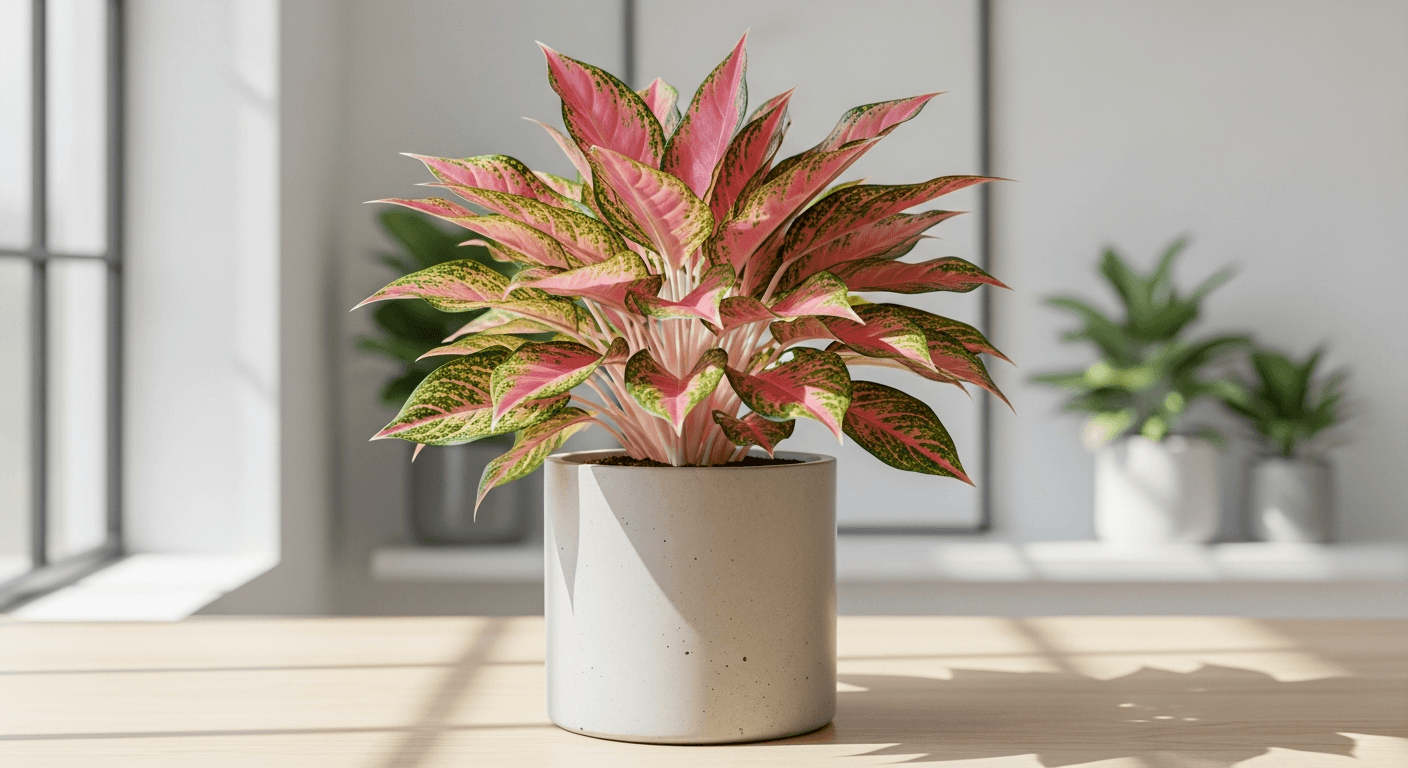
Aglaonema (Chinese Evergreen): The Complete Care Guide
Care guide for the Aglaonema or Chinese evergreen: light for the pink varieties, watering, humidity, propagation by division and its toxicity to pets.
Trouble with your plant?
AI diagnosis