Kale in Pots: Months of Leaves, Sweeter After Frost
A guide to growing kale in pots: pot size, sowing, harvesting leaf by leaf for months, and why frost makes it sweeter. An easy cool-season crop for balconies.
In this article
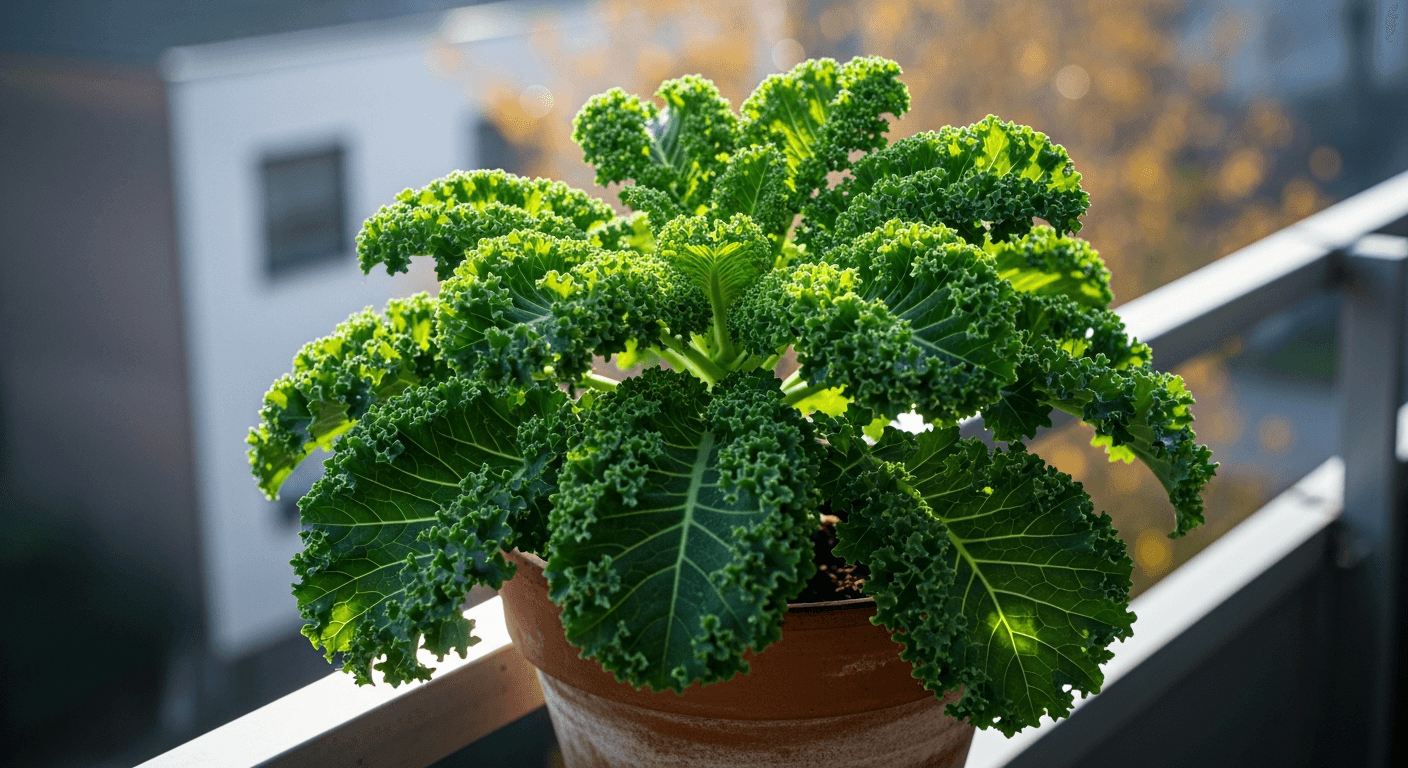
Kale is one of the easiest and most productive crops for the urban garden. It's tough, rarely gets sick, and gives you leaves for months if you harvest it right. It's also a cool-season crop: it loves autumn and mild winter, exactly when the balcony runs out of tomatoes. Here's how to grow kale in a pot.
| Fact | Kale in pots |
|---|---|
| Pot | 3-4 gal; 10-12 in deep |
| Sowing | Direct or seedling; late summer/fall |
| Light | Full sun (some shade in summer) |
| Temperature | 50-68 °F (cool season) |
| Harvest | Leaf by leaf, for months |
| Toxicity | Edible |
A cool-season crop
Unlike tomatoes, kale prefers the cold. Mild temperatures (50-68 °F) suit it perfectly, and a light frost actually improves its flavor: the plant makes sugars to protect itself and the leaves turn sweeter. In high summer heat it tends to get bitter and attract pests, so the best time to sow is late summer and autumn.
Is your plant looking off and you are not sure why?
Free AI diagnosisHow to grow it, point by point
Pot and soil
- One plant per 3-4 gallon pot, or several in a deep planter.
- Recommended minimum depth: 10-12 inches.
- Drainage is essential.
- Rich mix: potting soil with 20-30% compost or worm castings.
Sowing and planting
You can sow directly or transplant seedlings:
- Sow seeds about half an inch deep.
- Once they have 4-5 true leaves, thin or transplant to leave about 12 inches between plants.
- Water after planting to settle the soil.
Light and watering
- Light: full sun in autumn/winter; some shade in summer to keep it from turning bitter.
- Watering: keep the soil moist but not soggy. Water when the top inch is dry. Lack of water toughens the leaves.
- A mulch holds moisture and keeps the soil cool.
Feeding
Kale is a leafy green that loves nitrogen. Feed every 2-3 weeks with a balanced or nitrogen-rich fertilizer, or top up with compost mid-season. If you enjoy leafy greens, you'll also like our lettuce in pots guide.
Harvest leaf by leaf (the key)
Here's the secret to harvesting kale for months:
- Don't pull up the whole plant. Pick only the largest outer leaves, always leaving the central crown intact.
- The plant keeps pushing out new leaves from the center.
- Harvest when leaves are about hand-sized; very large old ones are tougher.
Kale varieties for pots
There's more kale than you'd think, and they all grow equally well in pots:
- Green curly kale: the classic, with very ruffled, hardy leaves.
- Cavolo nero (Tuscan or "dinosaur" kale): long, dark, bumpy leaves, prized in the kitchen.
- Red or purple kale: decorative and a touch sweeter.
They all share the same care, so you can mix varieties in one planter for leaves of different colors and textures.
How to use it in the kitchen
Young, tender leaves are perfect in salad (massage them with a little oil and lemon to soften them). Bigger, mature leaves do better sautéed, in soups, or baked into crisp chips. Always strip out the tough central rib. Growing your own means eating it freshly cut, with all its flavor and vitamins intact. Picked leaves keep for several days wrapped loosely in the fridge, but they're at their best within hours of cutting — one of the real rewards of growing it at home.
Kale takes cold better than any other leaf, so it takes over neatly from spinach and lettuce once temperatures drop and the balcony empties out. Its weak point is the caterpillar of the cabbage white butterfly.
Common pests
- Cabbage white caterpillars: the number one problem. Check the undersides and pick them off, or use Bacillus thuringiensis (BT).
- Aphids: cluster on the tender shoots.
- Slugs and snails: attack seedlings in damp autumn weather.
Common mistakes
- Sowing in peak summer → bitter leaves and pests.
- Shallow pot → stunted plant.
- Pulling the whole plant → no future harvests.
- Letting leaves get too big → tough and leathery.
Do your kale leaves have holes, spots or a white powder? Upload a photo to our AI diagnosis and we'll help you identify it. 🥬
Related articles
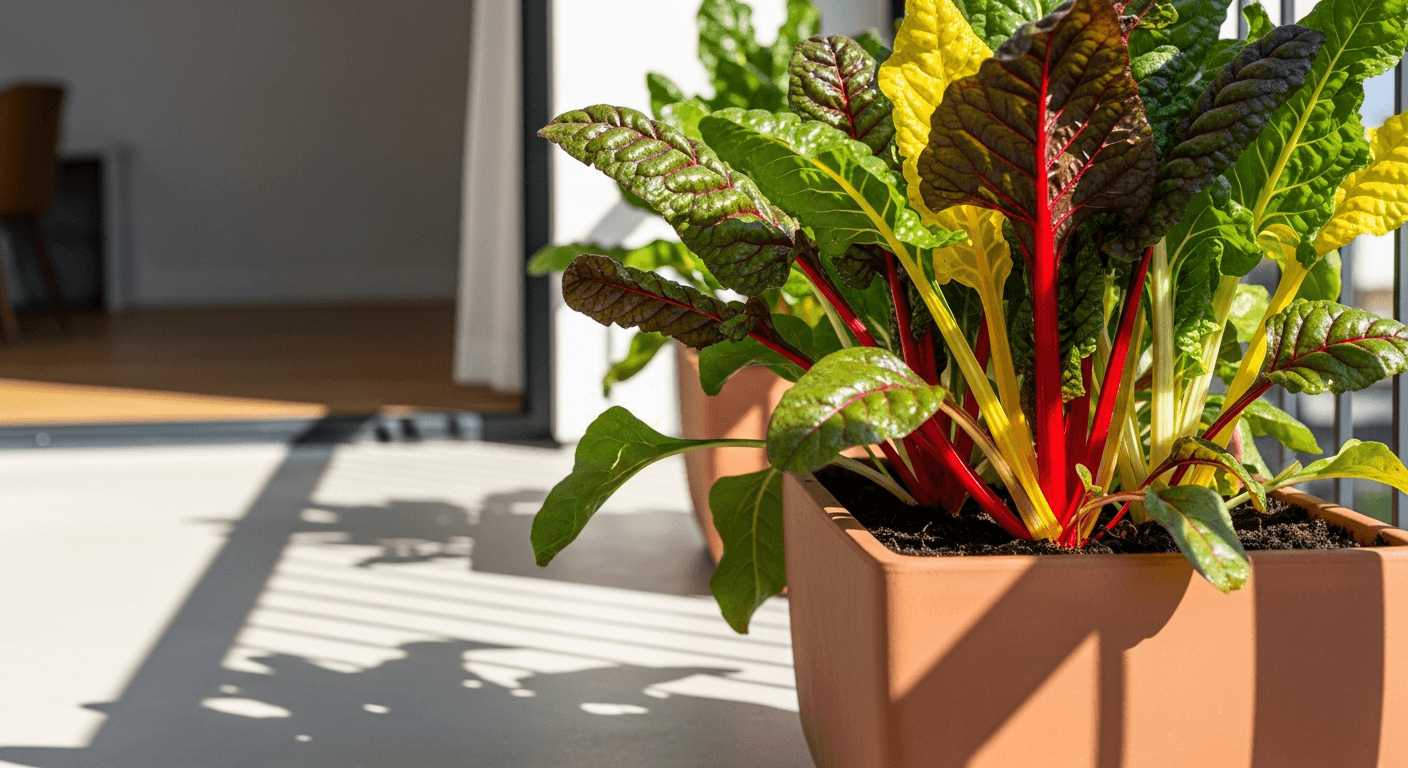
How to Grow Swiss Chard in Pots (Easy, All Year)
A guide to growing Swiss chard in pots: pot size, sowing, cut-and-come-again harvesting, watering, and why it tolerates heat and cold. An easy balcony crop.
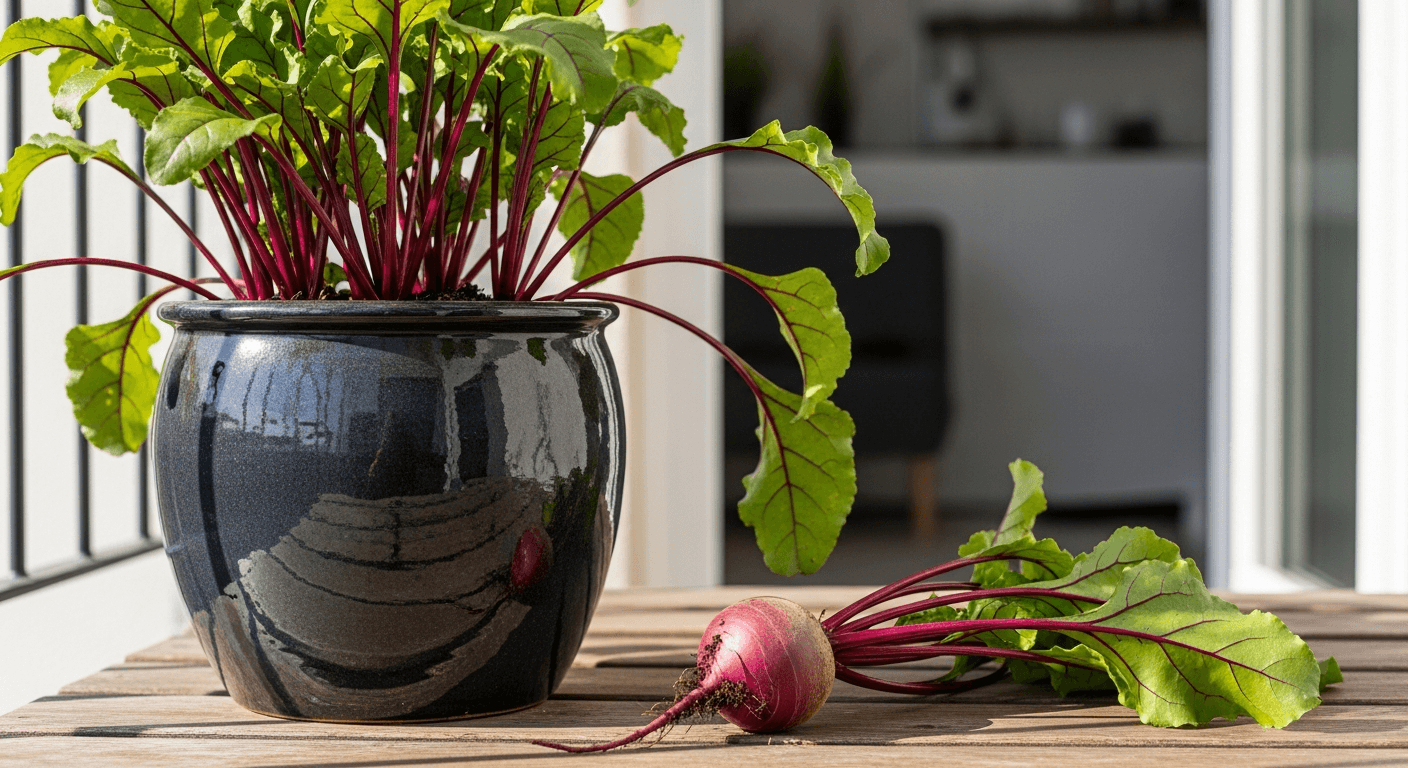
How to Grow Beets in Pots (Roots and Leaves)
Grow beetroot in pots: pot depth, thinning seedlings, steady watering and harvest. Discover that the leaves are edible too and absolutely delicious.
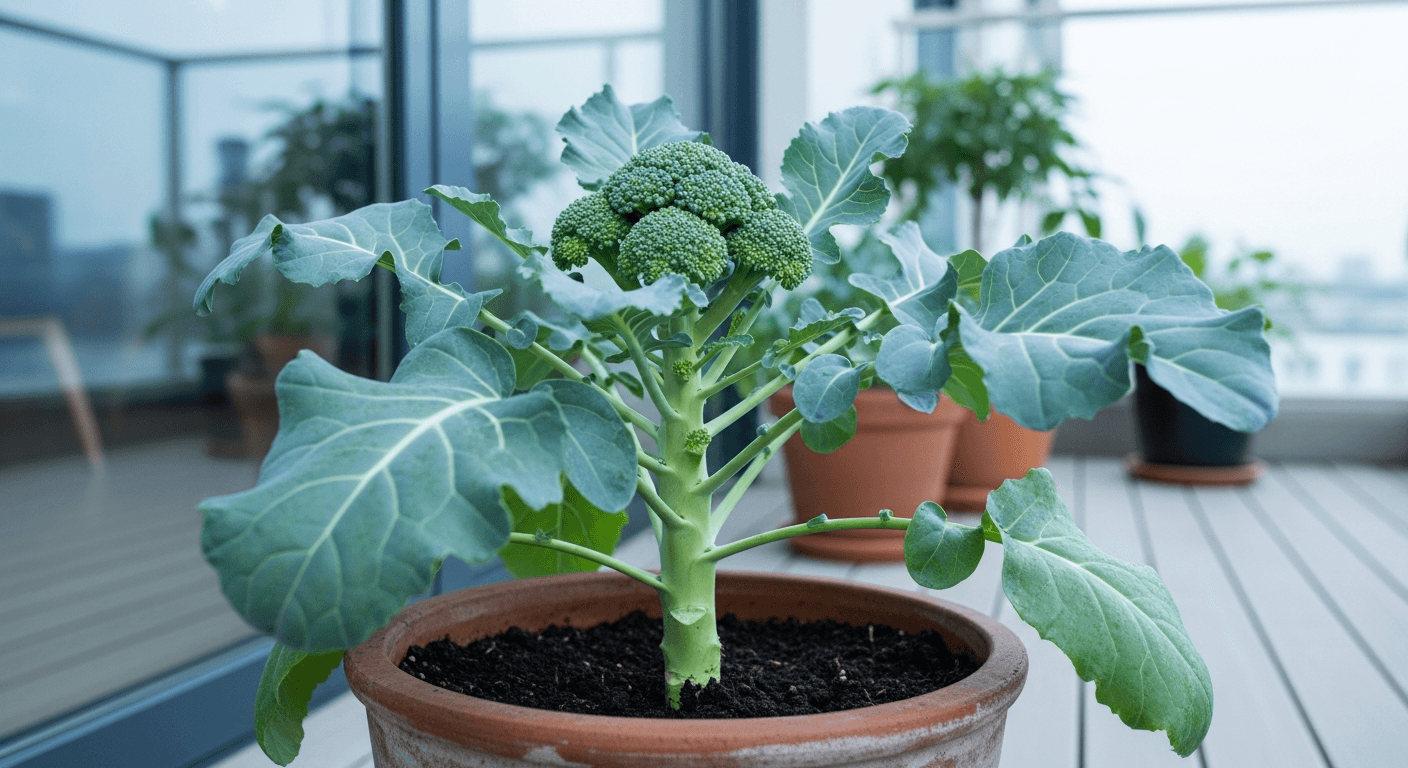
How to Grow Broccoli in Pots Step by Step
Grow broccoli in pots: a cool-season crop, a deep pot, sun, watering and harvesting the central head plus side shoots. Avoid the common pests and mistakes.
Trouble with your plant?
AI diagnosis