Home Compost: The Mix That Keeps It From Smelling
Turn your kitchen scraps into free fertilizer. Learn what to add and what not to, the 'green and brown' mix, and how to compost on a balcony with a worm bin.
In this article
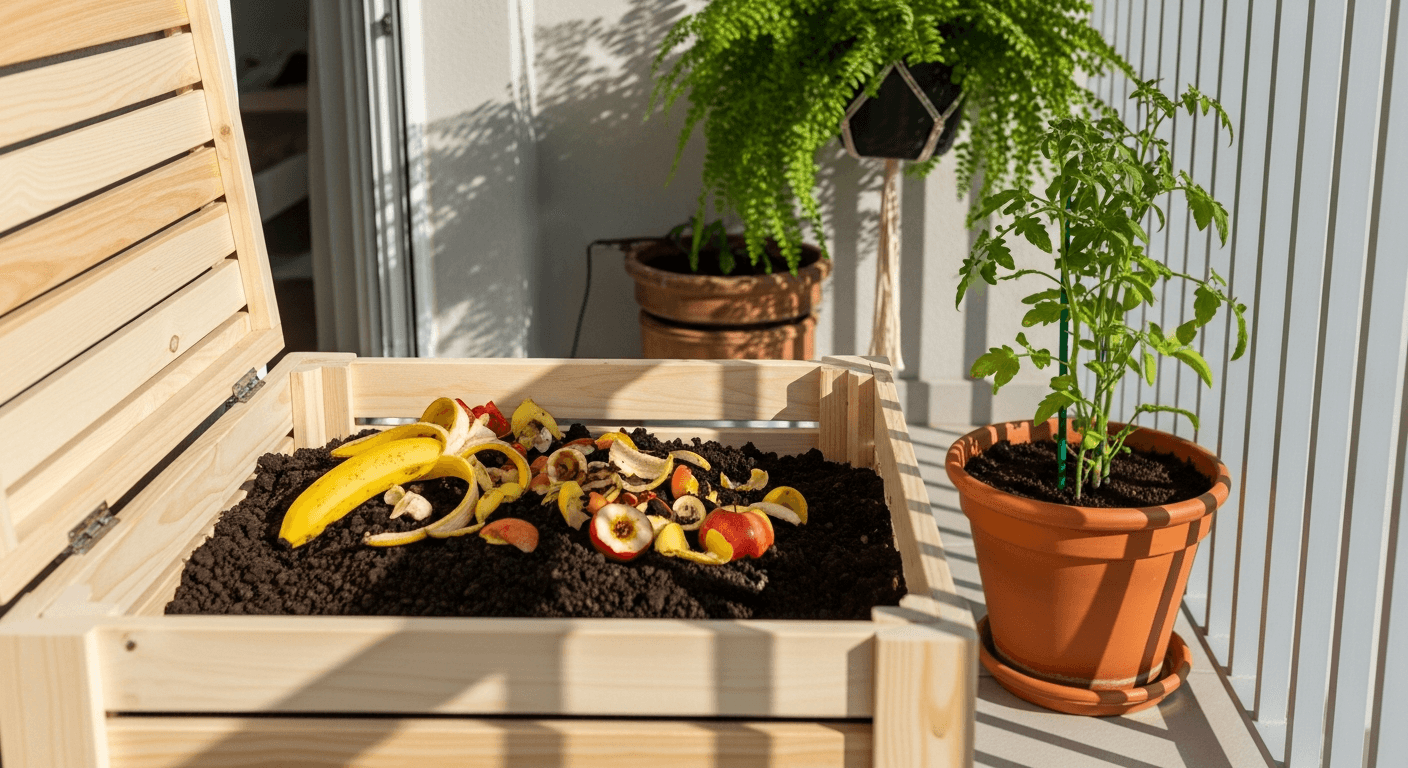
Composting is household magic: you turn kitchen and plant scraps into a dark, fluffy, free fertilizer that your pots and garden will love. And you don't need a yard: with a small bin or a worm bin, you can do it on a balcony.
| Fact | Home compost |
|---|---|
| Mix | 2-3 parts brown : 1 green |
| Moisture | Like a wrung-out sponge |
| Aeration | Turn every 1-2 weeks |
| Ready in | 2-4 months |
| On a balcony | Worm bin |
| Use | 20-30% of the soil, or mulch |
The secret: a "green and brown" balance
Good compost needs two types of material:
- Greens (nitrogen): fruit and veg scraps, coffee grounds, fresh grass, green leaves. They add moisture and proteins.
- Browns (carbon): cardboard, paper, dry leaves, twigs, sawdust. They add structure and air.
The rule of thumb: 2-3 parts brown to 1 part green. If it smells bad, you have too much green: add brown.
Is your plant looking off and you are not sure why?
Free AI diagnosisWhat to add and what to avoid
What TO add
Fruit and veg scraps, coffee grounds and filters, crushed eggshells, dry leaves, cardboard and ink-free paper, small prunings.
What NOT to add
- Meat, fish, dairy and greasy cooked food (they attract pests and smell).
- Pet feces.
- Diseased or pest-ridden plants.
- Citrus and onion in excess (worms don't like them).
How to start, step by step
- Choose the container: a bin with a lid and airflow, or a worm bin (with red wigglers) ideal for a balcony and indoors.
- Alternate layers of green and brown. Start and end with brown.
- Keep it moist like a wrung-out sponge, not soggy.
- Aerate by turning it every 1-2 weeks: oxygen speeds everything up and prevents odor.
If you also grow on the balcony, compost closes the loop: prunings and the old outer leaves of your swiss chard or lettuce go back on the pile, and months later they feed next season's tomatoes. For the day to day, homemade fertilizers give you options that don't need months of waiting.
When is it ready?
In 2-4 months (faster with worms and in warm weather). It'll be dark, crumbly and smell of forest soil. Use it mixed into your potting soil (20-30%) or as a mulch.
Common problems
- Smells bad: lacks air or too much green. Turn it and add brown.
- Fruit flies: bury the fruit scraps and cover with brown.
- Not breaking down: too dry or lacking green. Moisten and balance.
Start small with coffee grounds and peels, and in a few months you'll have free fertilizer for everything. 🌱
Related articles
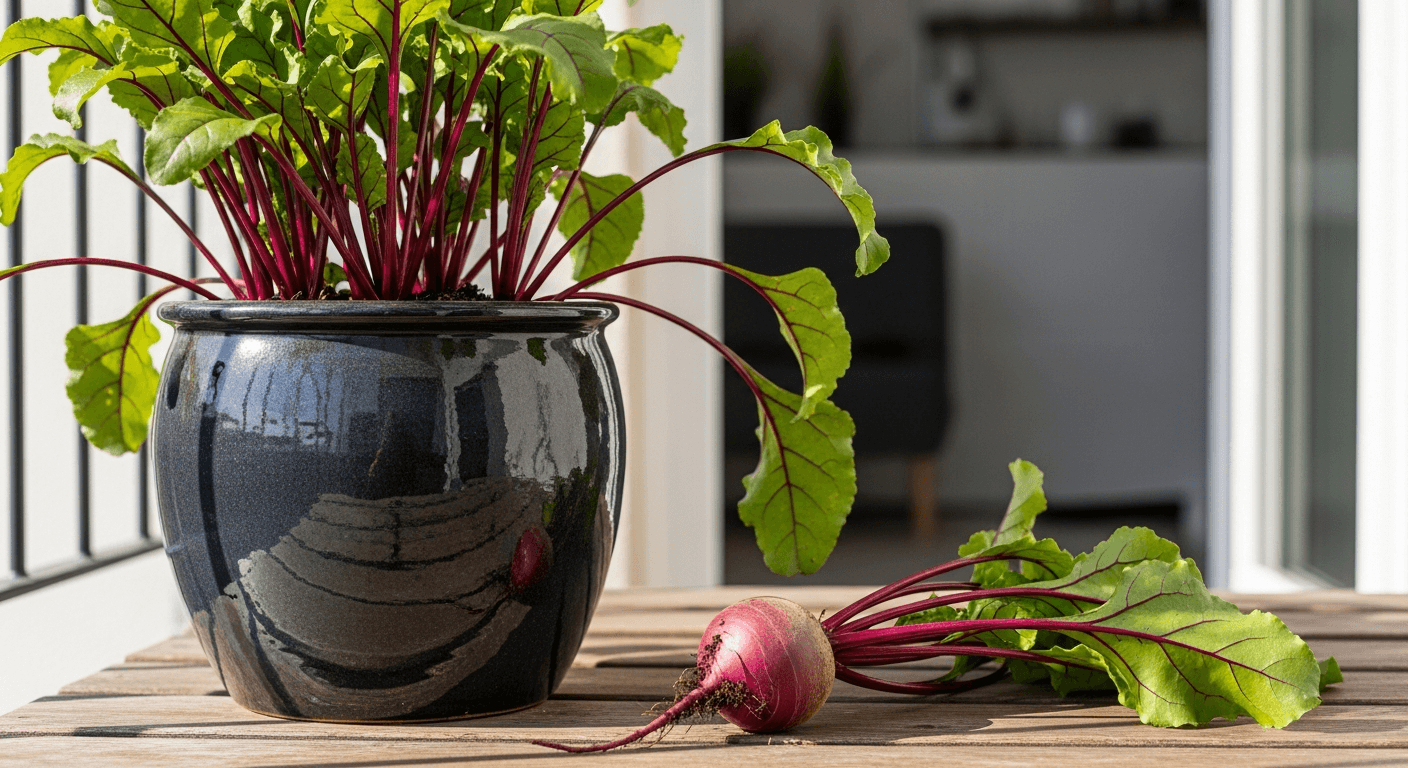
How to Grow Beets in Pots (Roots and Leaves)
Grow beetroot in pots: pot depth, thinning seedlings, steady watering and harvest. Discover that the leaves are edible too and absolutely delicious.
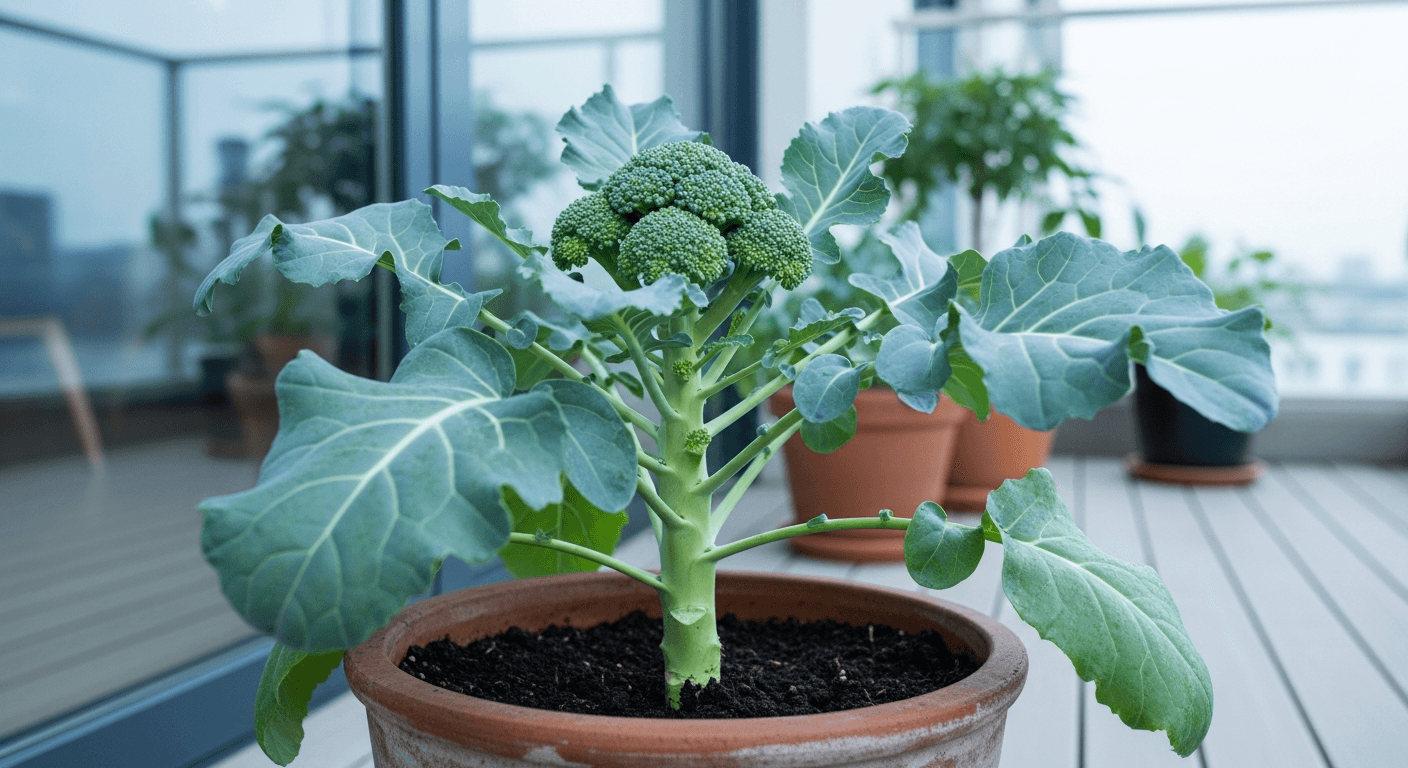
How to Grow Broccoli in Pots Step by Step
Grow broccoli in pots: a cool-season crop, a deep pot, sun, watering and harvesting the central head plus side shoots. Avoid the common pests and mistakes.
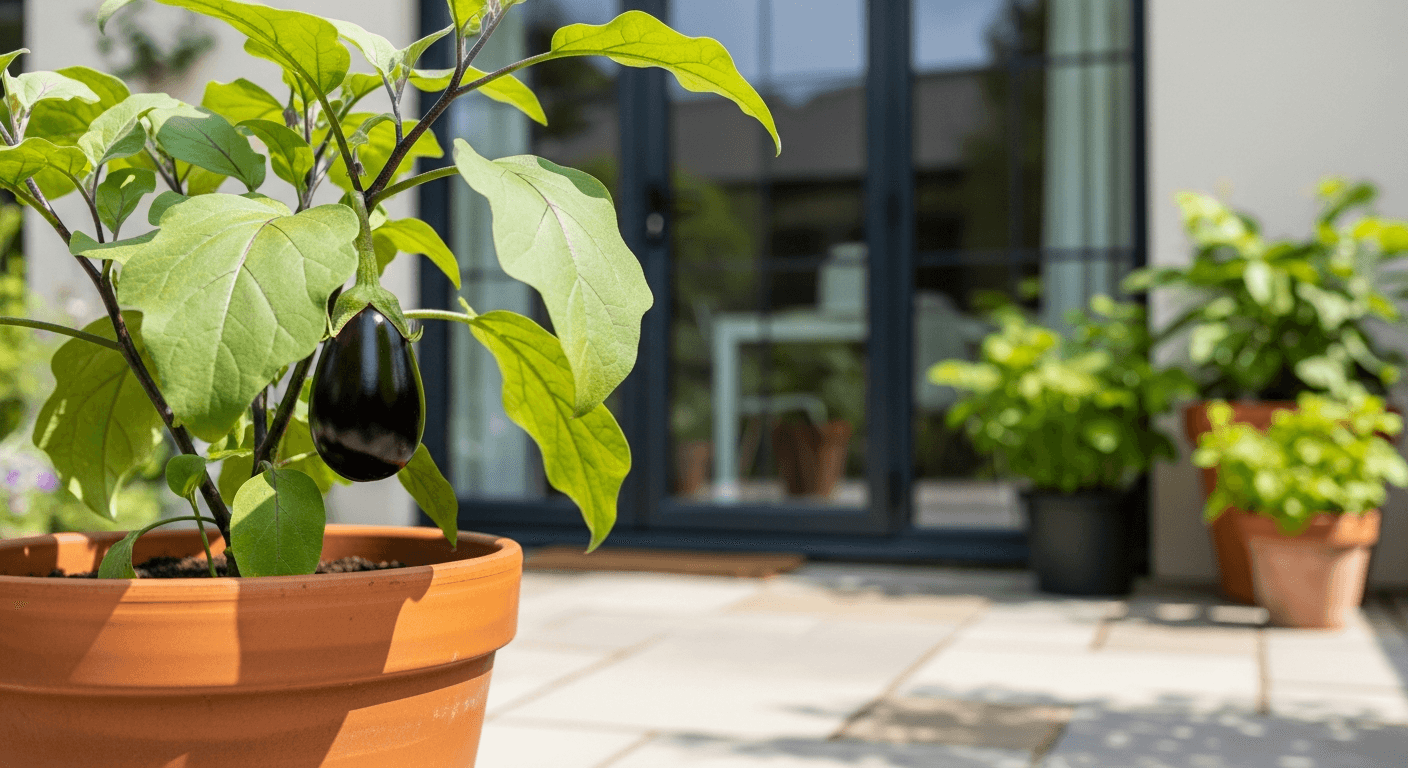
How to Grow Eggplant in Pots Step by Step
A guide to growing eggplant (aubergine) in pots: pot size, warmth and sun, staking, watering, feeding and when to harvest the glossy fruit. Great for balconies.
Trouble with your plant?
AI diagnosis